





Start With the Cemetery Rule, Then Select the Monument
Compare monument structures, regional design languages, stone combinations and component sets before requesting a drawing or quotation. The right reference is the one that can be adapted to the plot, inscription and installation method.

Confirm permitted overall size, height, foundation or anchoring method, number of inscriptions, required components and any cemetery restrictions. A catalog image is a design reference—not a substitute for the final approved drawing.
Choose a Monument Structure
Use these four paths to narrow the directory before comparing colors, carving and decorative details.

Upright Sets
Compare the die, base, top profile, visible finishes and engraving face as one coordinated set.
View an upright reference →
Full Kerb Sets
Review the headpiece, base, kerbs, cover or ledger pieces, corner details and installation orientation.
View a complete-set reference →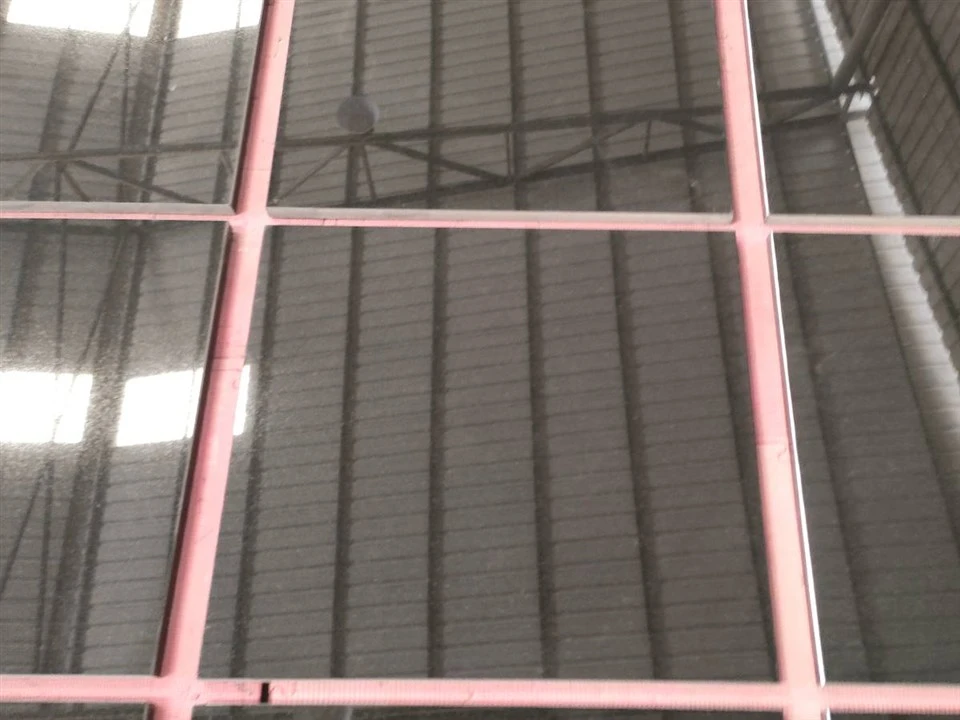
Columbarium Doors
Specify panel size, edge condition, hole pattern, orientation, numbering and inscription layout for the niche system.
View a niche-door reference →
Regional Styles
Use European, American or Japanese references as starting points, then confirm local dimensions and components.
Browse tombstone categories →


Build a Monument Specification, Not Just a Picture Reference
A useful tombstone shortlist links the visual model to a cemetery rule, a complete set of parts, an approved inscription layout and an installation-ready packing list.
Translate Local Rules Into a Component List
Monument terminology varies by market. One buyer may request a headstone and base, while another expects a complete grave surround with kerbs, ledger pieces, a vase and accessory parts. The quotation should therefore begin with the local rule and a labeled part list.
For an existing catalog model, identify which elements are included and which are optional. For a custom design, mark every finished size, joint, visible face, edge treatment, hole and orientation on the drawing.

Use Regional Styles as Design Families
Country or regional labels are useful for browsing, but they do not replace current cemetery requirements. Select the closest design family, then adapt its proportions, parts and artwork to the destination market.
American Upright
Usually reviewed as a die-and-base set with top shape, face finish and engraving field clearly identified.
View reference →
Poland Style
Often combines multiple tiers, contrasting stones, shaped headpieces and a larger coordinated grave set.
Browse European monuments →
Romanian Sets
May use shaped stelae, integrated crosses, kerbs and ledger components that require a clear assembly drawing.
View reference →
Japanese Memorials
Typically involve a vertically organized multi-piece composition; exact names and part relationships must be drawing-led.
Browse Japanese styles →
Match Stone Appearance to the Memorial Artwork
Color is only one part of monument stone selection. Buyers should compare the actual visual field where names, dates, symbols or portraits will appear. Grain, movement, contrast and the chosen surface finish can change how clearly an inscription reads.
Do not assume that every black, grey, red or white granite behaves identically. Approve the named material or current lot together with the proposed lettering or image method, especially when a program requires repeat visual consistency.
Approval Matrix for Drawings and Memorial Content
Separate technical approval from memorial-text approval. A monument can be dimensionally correct yet still be unusable if a date, spelling, language character, symbol or portrait placement is wrong.
| Approval item | Buyer supplies or confirms | Check before production |
|---|---|---|
| Cemetery envelope | Plot limits, overall dimensions and installation rule | The selected model fits the permitted footprint and height. |
| Component drawing | Part list, finished sizes, joints, holes and orientation | Every piece has a unique mark and visible-face instruction. |
| Stone schedule | Named stone or acceptable color direction for each part | Single- and two-tone combinations follow the approved schedule. |
| Inscription proof | Exact spelling, dates, language, font and placement | Text is reviewed at readable scale on the correct face. |
| Artwork proof | Vector symbols or suitable portrait file, size and position | Artwork method and contrast are confirmed for the selected surface. |
| Packing schedule | Order, model, plot or customer coding requirement | Part marks and crate list preserve each complete set. |
Dry-Lay, Piece Marks and Crate Grouping
Multi-piece monuments should be controlled as sets. Before packing, agree whether the order requires a dry-lay or fit check, which dimensions and joints must be photographed, and how each component will be marked.
The packing list should let the receiving team identify the model and all matching parts without opening every crate. For mixed orders, use model, order or plot codes consistently across the drawing, inspection record, piece marks and crate schedule.

Five-Step Tombstone Selection Workflow
Tombstone Selection RFQ Checklist
Provide enough information for the quotation to match the intended monument rather than a generic catalog image.
Send the cemetery rule, drawing, component schedule and artwork in the same inquiry.
Send monument requirementsContinue Through the Monument Topic Cluster
Tombstone Selection FAQ
Should the cemetery rule be checked before choosing a tombstone?
Yes. Confirm permitted footprint, height, monument type, foundation or fixing method and any inscription restrictions before adapting a catalog model.
Can an existing monument model be made to custom dimensions?
An existing model can be used as a reference, but dimensions, proportions, components, joints and decorative details must be reviewed on the final drawing before production.
What should be included in a multi-piece memorial quotation?
Include a labeled component list covering the headpiece, base, kerbs, ledger or cover pieces, vases, inserts and other accessories, together with finished sizes and quantities.
How should names, dates and memorial artwork be approved?
Provide final spelling, dates, language, font, symbols or portrait files and placement. Approve a clearly identified proof or drawing revision before engraving begins.
How do I select a granite color for engraving?
Review the actual background, grain, finish and intended inscription method together. A material name or color label alone does not establish the final lettering or portrait contrast.
What is checked during a dry-lay inspection?
The agreed check may cover part count, finished dimensions, joints, orientation, adjacent colors, visible finishes, holes and the overall relationship between components.
What information is needed for a tombstone selection inquiry?
Send the market, cemetery rule, reference model or drawing, component list, dimensions, stone, finishes, artwork scope, quantity, packing needs, destination and schedule.
Xiamen Stone Epic Co., Ltd. is well-known as one of the leading tombstone selection manufacturers and suppliers in China. We warmly welcome you to wholesale high quality tombstone selection for sale here from our factory. For customized service, contact us now.