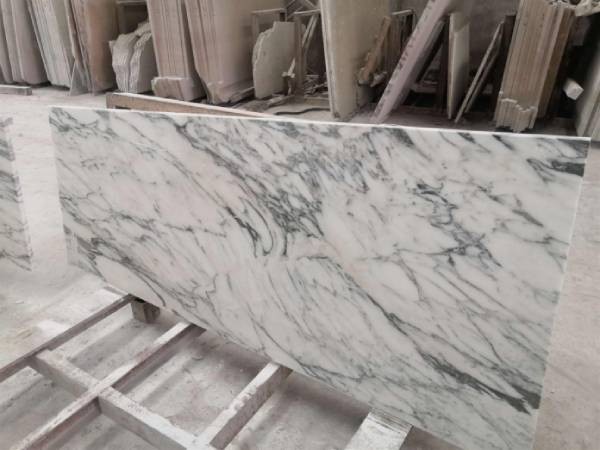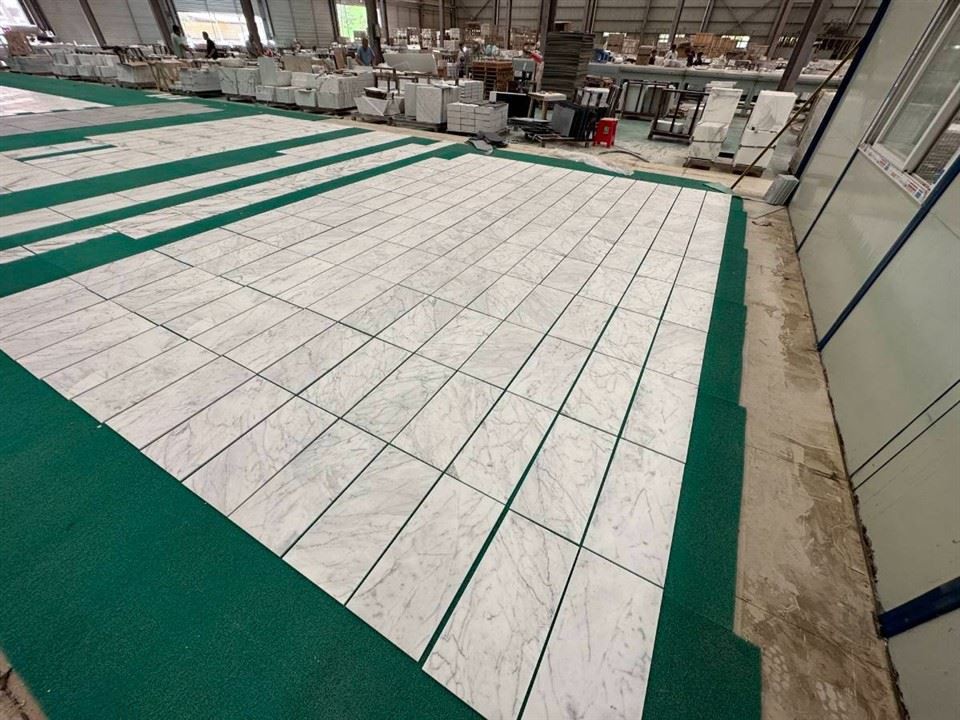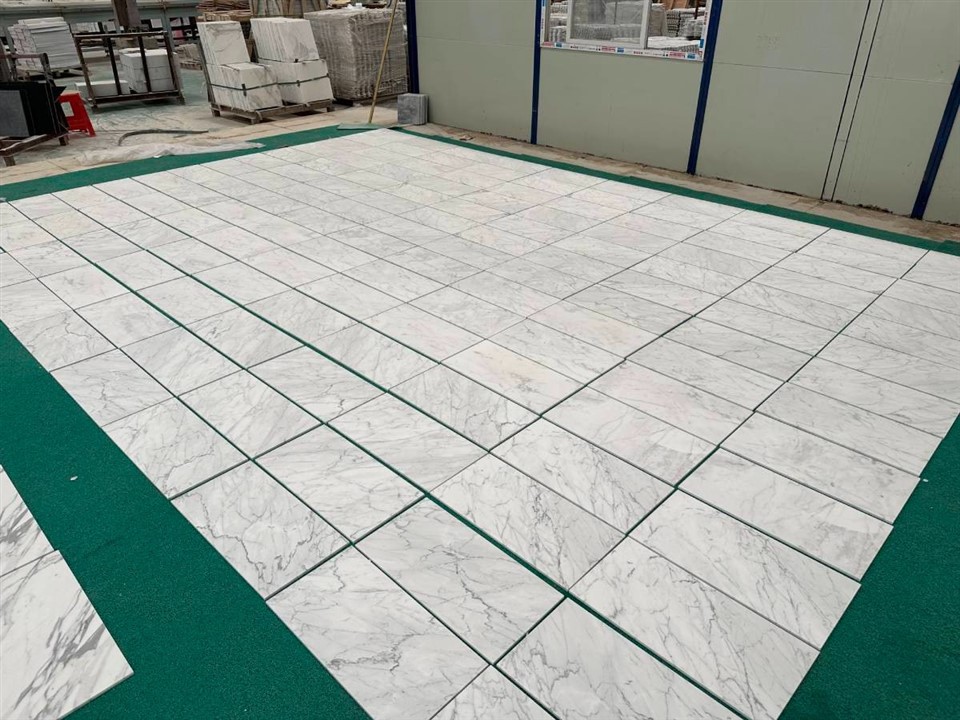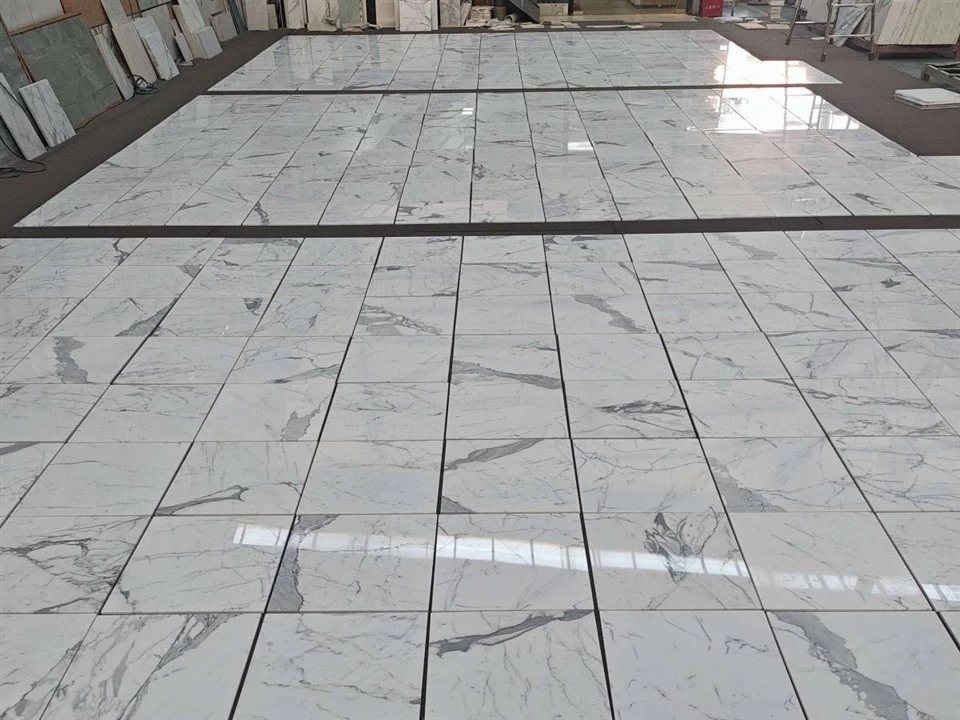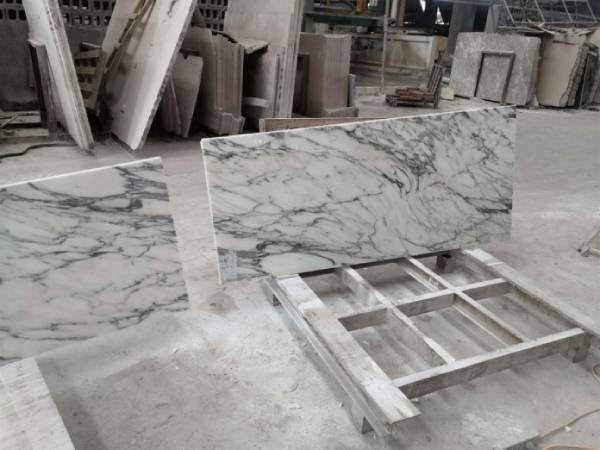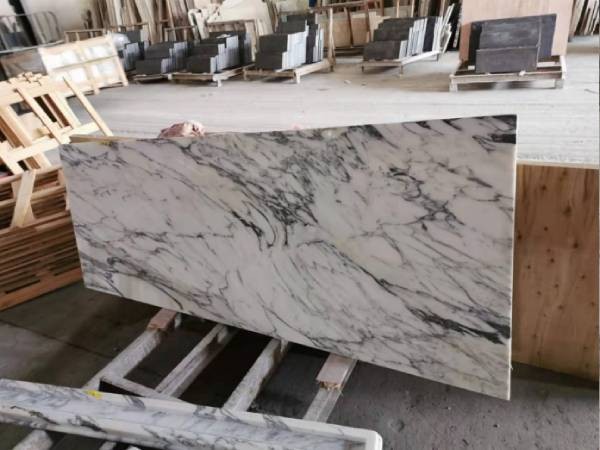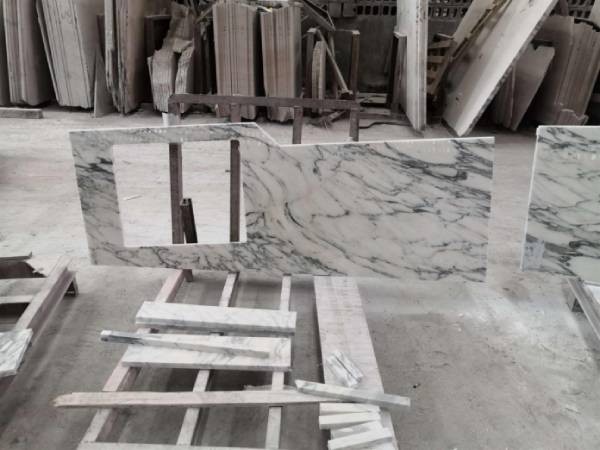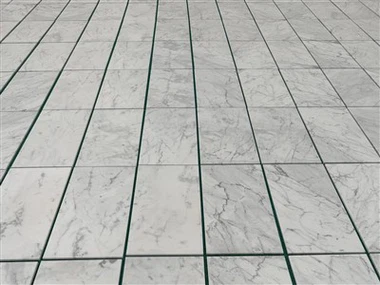
XIAMEN STONE EPIC CO., LTD: Your Professional Marble Supplier!


Wide Range of Products
Our main products include granite, marble, quartz, countertop & vanity, tombstone, mosaic & patterns, artificial stone and basalt. These products are widely used in countertop, tiles, mosaic, stairs and steps, windowsills, floor paving, shower surroundings, wall panels and facade in commercial and residential projects.


Advanced Equipment
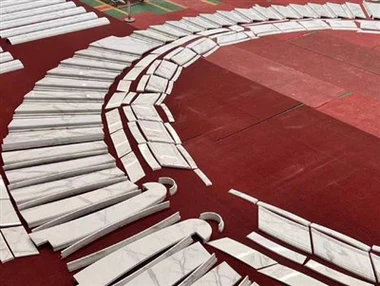
To ensure high quality and production efficiency, the company has introduced advanced production equipment. Currently, we have 1 set megatron wire saws machine, 4 barsanti and gaspari gang saws machine, barsanti automatic polishing line & keda automatic polishing line, automatic resin line for big slabs, 30 sets of diamond block cutting machine, 20 sets of infrared edge cutting machine, 50 sets of hand polishing machine, 1 set edge modeling and polishing machine, 5 sets of automatic cnc engraving machine and so on.


Rich Experiences
We have rich experienced in doing cut-to-size projects for flooring and wall cladding, countertop and vanity top projects. Our annual export volume exceeds 800 containers, about 60~80 containers per month, and the annual export value exceeds 20 million US dollars per year, and it is still increasing. Our products are mainly exported to Western and Eastern European markets such as the United States, Canada, Slovakia, Poland, Germany, the Middle East market, Japan, South Korea, Singapore and other Asian markets.


Complete Qualifications
For more than 20 years of stable and focused operation, Stone Epic has established a good reputation and brand in the entire stone industry, and has passed ISO9001: 2015 international quality system certification.


FirstLast

Brief Introduction to Marble


Marble is a widely used natural stone, mainly composed of calcium carbonate (CaCO₃), usually containing other minerals and impurities such as magnesium, iron, manganese, etc. It is used in many fields such as architecture, sculpture, interior design, and is often used for floors, walls, countertops, sculptures, etc.


Features of Marble
 
01/

Beauty And Decorativeness
Marble has rich textures and colors, from pure white to a variety of colors, providing designers with a wide range of choices. The unique texture and gloss give marble a noble and elegant temperament, making it the material of choice in many high-end projects and interior designs.

02/

Durability And Durability
Marble is a relatively durable material that can withstand the test of time. Although its hardness is low, with proper installation and maintenance, marble can maintain its beauty and functionality for a long time.

03/

Easy Processing And Plasticity
Marble has a moderate hardness, making it easy to process and carve, meeting various design needs. From complex sculptures to fine interior decoration, marble can show its unique artistic effect.

04/

Anti-Pollution And Easy To Clean
The marble surface is smooth, not easy to accumulate dust and dirt, and is relatively easy to clean. Using appropriate cleaners and maintenance methods, the gloss and beauty of the marble surface can be maintained.


Composition of Marble
 

Calcium Carbonate

The main component of marble, usually accounting for a high proportion. Calcium carbonate gives marble its unique physical and chemical properties.

Dolomite

In some marbles, dolomite is also one of the important mineral components. Dolomite is similar to calcium carbonate, but it is different in composition, mainly composed of calcium, magnesium, and carbonate ions.


Types of Marble
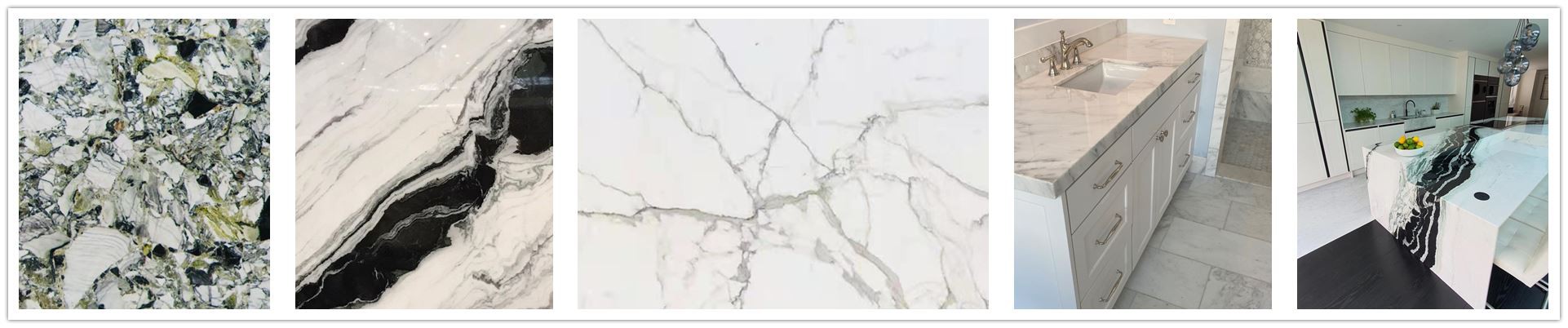
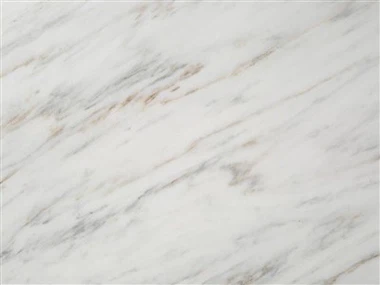
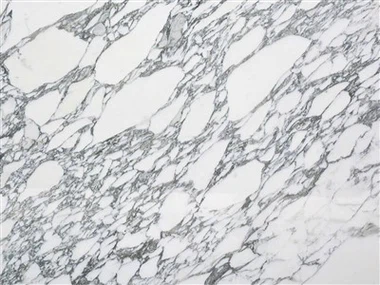
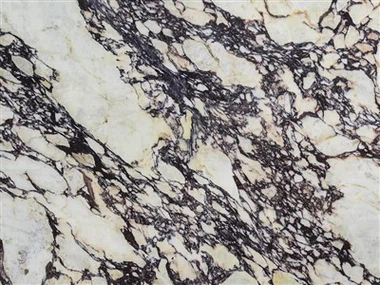
中国灰大理石
熊猫白大理石板材
关西白大理石
冰玉大理石

Classification by color

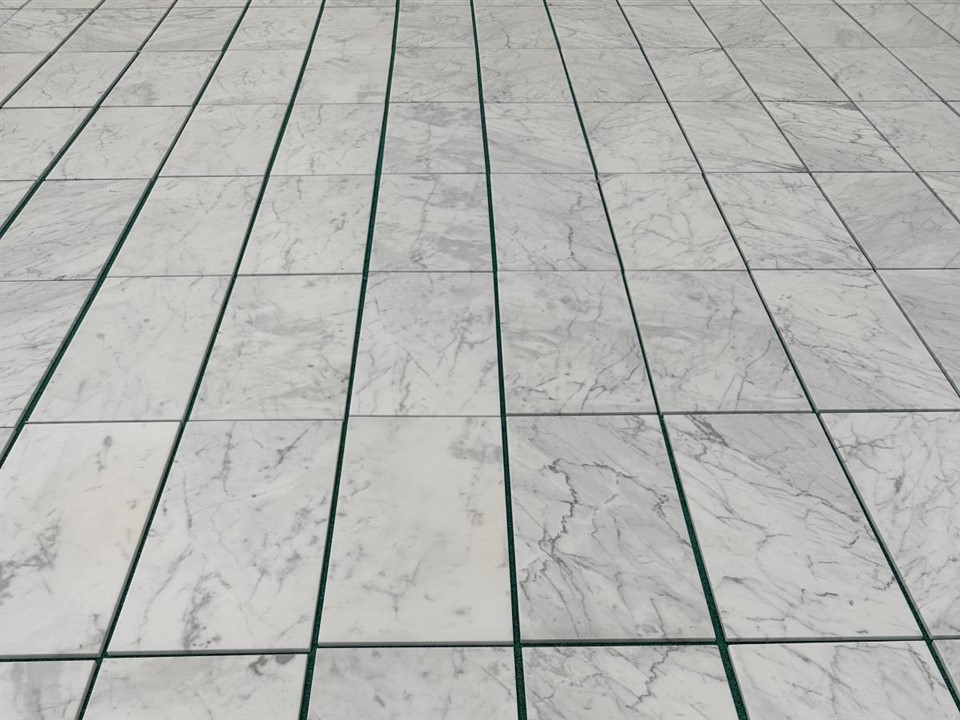
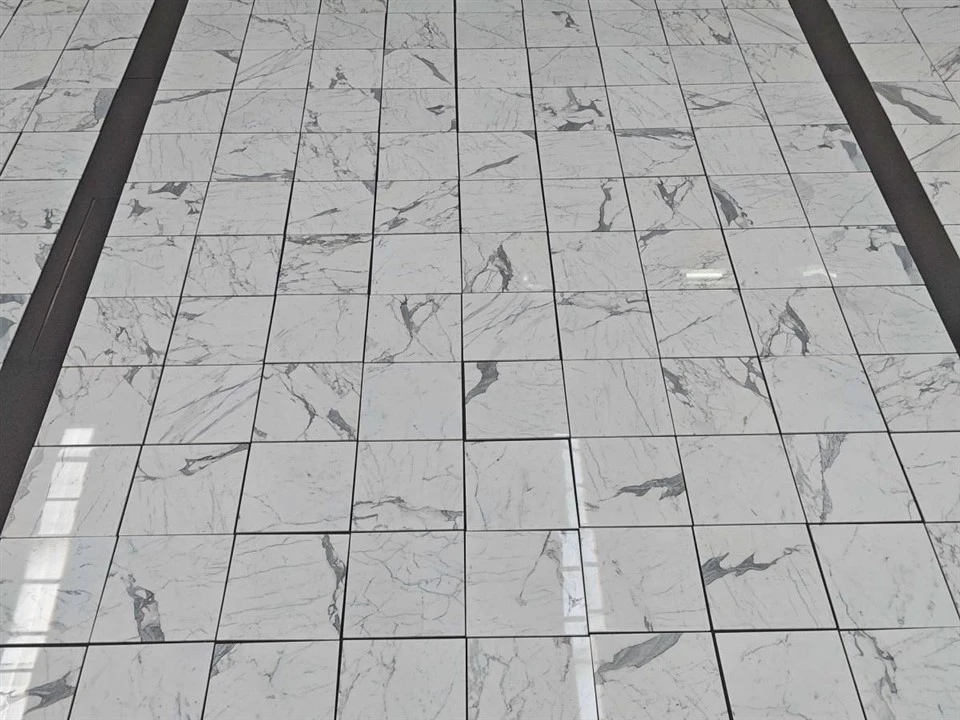
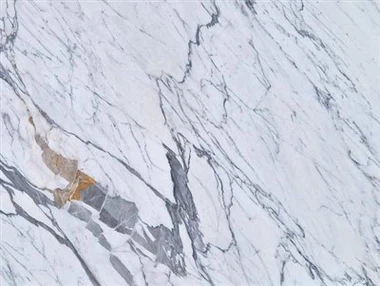
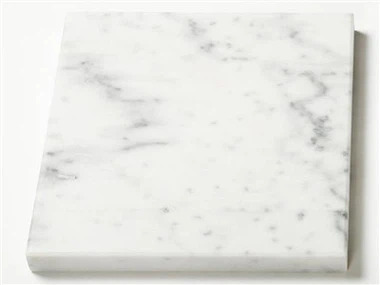
White Marble
White Marble is characterized by its pure white color, which may sometimes have subtle color changes or textures. Like other marbles, white marble is mainly composed of calcium carbonate (CaCO₃), which makes it have relatively low hardness and density. Despite its low hardness, white marble usually has a high gloss and good polishing properties. White marble is widely used in various construction and decoration projects, such as walls, floors, countertops, sinks, etc. It is also often used in the production of sculptures and monuments because its pure white color and elegant texture can well show details and forms.


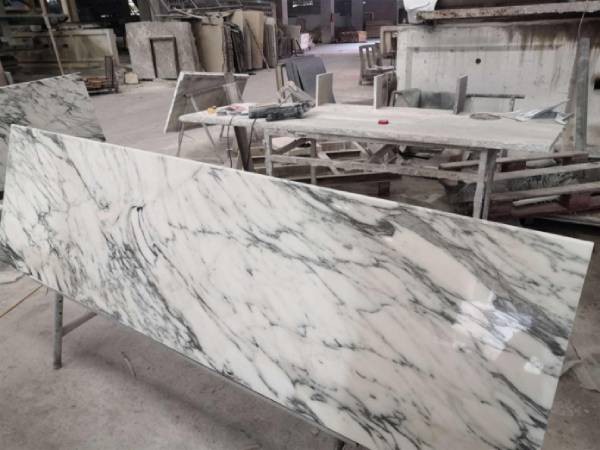
Gray Marble
Gray Marble's main color is gray, which may have different shades. Gray Marble has a moderate hardness, usually between 3 and 5 on the Mohs scale, which makes it neither too hard to process nor too soft to be damaged. Gray Marble has a high density, giving it a heavy and solid feel. The polished surface of Gray Marble has a charming luster and is highly decorative. Gray Marble is widely used in architecture, sculpture and interior design due to its unique color and texture. In the field of architecture, it is often used as a decorative material for floors, walls, columns and other parts. In the field of sculpture, Gray Marble's easy processing and good shaping ability make it the preferred material for sculptors. In interior design, Gray Marble is often used in the production of furniture such as sinks, dining tables, and bars, as well as decorative parts such as background walls and floors.


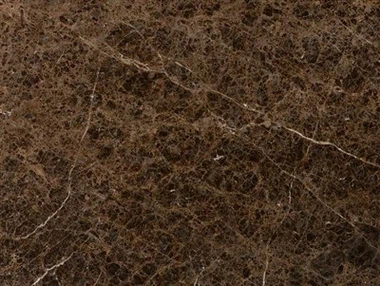
Colored Marble
Colored Marble covers a wide range of colors, including but not limited to red, green, blue, yellow, pink, etc. These colors may appear as a single tone, or may include a combination or gradient of multiple colors. In the field of architecture, colored marble is often used as a decorative material for floors, walls, columns and other parts to add color and layering to the space. In the field of sculpture, the easy processing and good shaping ability of colored marble make it one of the preferred materials for sculptors. In interior design, colored marble is often used in the production of furniture such as sinks, dining tables, and bars, as well as decorative parts such as background walls and floors, adding an artistic and fashionable feel to the interior space.


Classification by use

Architectural Marble
Architectural Marble is a type of marble with unique textures, colors and physical properties, mainly used in architecture, decoration and sculpture. It has a variety of colors and textures, including white, gray, and colorful. It has moderate hardness and is easy to process and carve. It is often used to decorate floors, walls, columns, steps and other parts, adding beauty and texture to buildings. It is widely used in the production of furniture such as sinks, dining tables, and bar counters, as well as decorative parts such as background walls and floors.


Decorative Marble
Decorative Marble is a type of marble used primarily for decorative purposes, and is favored for its rich colors, unique textures, and excellent physical properties. Decorative Marble comes in a variety of colors, including white, gray, and colored, and each color has its own unique texture and pattern, providing a wealth of choices for decoration. It is used to cover the entire wall or as an inlaid ornament to increase the beauty and texture of the space. It is often used for floor paving in living rooms, corridors, and dining rooms to create a noble and luxurious atmosphere. It is used for floor paving in outdoor squares, sidewalks, flower beds, and other places to increase the beauty and texture of outdoor spaces.


Sculpture Marble
Sculpture Marble is a high-quality marble material that is easy to carve and shape, and is widely used in the production of sculpture artworks. Sculpture Marble usually has a high hardness and density, which allows it to maintain a stable shape during the carving process and is not easy to break or deform. Sculpture Marble has a fine texture and is easy to carve and shape. Artists can easily carve it into sculptures of various shapes and postures. Sculpture Marble is one of the main materials for the production of sculpture artworks. It can be seen in both interior decorative sculptures and outdoor landscape sculptures. Due to its solemn and elegant qualities, Sculpture Marble is also often used to make commemorative sculptures such as monuments and tombstones.


Classification by composition

Calcite Marble
Calcite Marble is widely used in construction, metallurgy and other industrial fields due to its unique mineral composition, color, hardness and density. As a kind of marble, it not only has beautiful appearance, but also has good physical and chemical properties, making it the preferred material in many industries.


Dolomite Marble
Dolomite Marble is a rock mainly composed of dolomite, which is a type of marble. Dolomite marble is formed by regional metamorphism of dolomite. The color is usually white or off-white, but it may also appear in other colors, such as light red, gray, etc. Due to its unique color and texture, dolomite marble is often used in construction and interior decoration, such as floors, walls, columns, etc. For highly dense and homogeneous dolomite marble, it can also be used for artistic carvings and decorative materials.


Serpentine Marble
Serpentine Marble, also known as serpentine marble, is a serpentine-rich marble formed by the hydrothermal action of magnesium carbonate rocks (such as dolomite or dolomitic limestone) rich in SiO2. Due to its beautiful colors and patterns, Serpentine Marble is often used as a raw material for architectural decoration or handicrafts.


How To Choose Marble?
 

Determine The Purpose
Depending on your needs, determine whether the marble will be used for floors, walls, countertops or other decorative purposes. Different uses may have different requirements for the hardness, wear resistance, stain resistance and other aspects of marble.


Consider Color And Texture
Choose the appropriate marble color and texture based on your personal preferences and the overall style of the interior design. Consider whether the color of the marble coordinates with other elements such as furniture and wall coverings.


Budget Considerations
The price of marble varies depending on its origin, quality, color and texture. When choosing marble, make sure it is within your budget and consider its long-term value and durability.


How To Maintain Marble?


Daily Cleaning
Clean the marble surface regularly to remove dust, stains and other impurities. Use professional dust mops and electrostatic dust absorbers to clean repeatedly until the floor is clean. For local common stains, you can wipe them off with a slightly damp rag.


Special Stain Treatment
If you accidentally get colored stains such as ink and chewing gum, clean them immediately. First, gently pat and press the stains with a damp towel, and then wipe them off with a clean towel after the color is absorbed. For large areas or stains that are difficult to clean, you can use a strong concentrated cleaner for marble, or combine it with decontamination powder, enzyme cleaner, etc.


Scratch Treatment
If scratches appear on the marble surface, it needs to be polished. It is recommended to ask professionals to handle it to avoid further damage to the stone.


Yellowing Treatment
For marble surfaces in humid environments such as bathrooms, if yellowing occurs, you can use a multi-purpose decontamination paste to clean it. Apply waterproofing agent to the gaps in the ground to prevent water penetration and yellowing.


Waxing And Polishing
1-2 times a week, use a stone care machine with a nano wool pad (scouring pad) to spray crystal surface care agent or crystal hardening powder on the clean floor. Spread it evenly with the stone care machine, and then polish it until it is bright. Finally, use a dust mop to remove the dust on the floor.


Application of Marble
 

Flooring
One of the most common uses for marble is flooring. People often choose simple white marble with black or gray veining to decorate their space.


Feature Walls and Backsplashes
Whether it’s a kitchen backsplash or walls throughout your home, marble not only adds a beautiful and sophisticated touch, but it also withstands your daily life due to its strength.


Countertops
Marble is often one of the first materials considered when considering countertops for your kitchen or bathroom. Like other stones, each use has its pros and cons, and marble countertops are no exception. From its unique colors and patterns to its heat resistance, marble is a great choice for countertops as long as you are willing to maintain it.


Stairs
Carpet and wood stairs are more susceptible to wear and tear and will deteriorate over time. Marble stairs are not only durable, but also easier to clean and maintain.


Frequently Asked Questions


Q: What is marble made of?

A: Marble is metamorphosed limestone. Limestone is a sedimentary rock composed of the mineral calcite. When a drop of dilute hydrochloric acid is placed on this rock, it bubbles and fizzes while releasing carbon dioxide.

Q: Is marble a natural stone?

A: Marble is a metamorphic rock, a natural stone that forms when limestone is heated and compressed (aka metamorphosed). Marble forms at convergent plate boundaries where metamorphism occurs. As a result of these processes, marble can be hundreds of feet thick and span a wide geographic area.

Q: Does marble crack easily?

A: Marble floors and countertops are prone to cracking and if not properly installed, cared for and maintained, the situation can get worse. The grain can gradually weaken from stress, impact and pressure, causing microscopic cracks to appear.

Q: What precautions should be taken when using marble?

A: Avoid scratching the marble surface with sharp objects. Avoid prolonged water immersion or residual acidic or alkaline stains. Use mild detergents for cleaning and avoid using strong acid or alkaline solutions. Polish and maintain regularly and use special marble sealants. If there are special stains or problems, consult professional cleaning and maintenance services in time.

Q: How long does a marble countertop last?

A: Marble is softer than other natural stones, such as granite, and is more susceptible to wear and tear over time. Therefore, the lifespan of a marble countertop is approximately 20 years. However, since marble is a natural stone, it can last up to 50 years or even longer if properly cared for.

Q: Can you cut marble with a knife?

A: You should avoid using knives on surfaces made of marble. It is much harder than steel and will weaken the edge of your knife. Even a quick cut on a marble countertop will dull your knife.

Q: Can lemon juice clean marble?

A: Marble is a beautiful but fragile stone that requires special care to maintain its appearance. Avoid using acidic cleaners such as vinegar or lemon juice as they can damage marble. Clean marble countertops daily with a soft, damp cloth and remove surface debris and spills promptly.

Q: Can you place a hot pan on marble?

A: Generally, you can place a hot pan on marble without causing serious damage. However, you should not place a piping hot pan on marble that has just been removed from the stone, as this can discolor the surface.

Q: What are the advantages of marble?

A: Beautiful and elegant: marble has natural texture, delicate texture, rich and varied colors, which can present a noble and elegant decorative effect, and enhance the grade and taste of the overall space.
Durable: marble is a natural stone with excellent wear resistance and durability. It can withstand friction and wear in daily use and is not easy to deform, crack or damage.
Strong stain resistance: the surface of marble is not easy to stain and is easy to clean. Professional cleaning agents and care products can easily remove dirt and traces on the surface, maintaining long-term gloss and beauty.
High temperature resistance: marble is a high temperature resistant material that can maintain stable performance in high temperature environments and is not easy to deform or discolor. Therefore, it is very suitable for use in high temperature areas such as kitchen countertops and around stoves.
Environmentally friendly and healthy: marble is a natural stone that does not contain any harmful substances, is harmless to human health, and does not produce any harmful substances during use, which meets the requirements of modern people for environmental protection and health.
Easy to process: marble can be processed and installed by sawing, cutting, grinding, drilling, etc. It has strong adaptability and can be customized and processed according to different design requirements.
Value preservation and appreciation: As a high-end decorative material, marble has high market value and value preservation and appreciation potential, which can add value to houses or buildings.

Q: Where is marble suitable for use?

A: Floor decoration: Living room, bedroom, dining room: Marble floors have gorgeous textures and good wear resistance, suitable for these high-traffic areas, and can withstand daily use and cleaning.
Stairs: Marble stairs are not only beautiful, but also wear-resistant, suitable for staircases connecting floors.
Wall decoration: Living room, bedroom, dining room, study: Marble walls can increase the sense of class in the space, but it is necessary to ensure that the wall has sufficient load-bearing capacity. The natural texture and color of marble can add a unique artistic effect to the wall.
Kitchen decoration: Operating table, cabinet door panel: Marble can be used in these parts of the kitchen, but it is necessary to prevent oil stains and clean it regularly to maintain its beauty.
Bathroom decoration: Bathroom walls, floors, washbasins: Marble is an ideal choice for bathroom decoration, but it is necessary to choose marble suitable for humid environments and do a good job of anti-slip treatment.
Furniture surface: Coffee table, TV cabinet, dining table: Marble can be used as the surface material of furniture to improve the overall home quality. Its hard texture and elegant texture can complement various furniture styles.
Door covers, window sills and other details: Marble can also be used for the decoration of door covers, window sills and other details, adding beauty to the overall space.

Q: What are the advantages of marble compared to granite?

A: Decorative effect: Marble has bright and rich colors, with a variety of textures and patterns, suitable for interior decoration, such as walls, floors and countertops, etc., which can create an elegant and noble atmosphere. Compared with granite, marble is more suitable for decoration occasions that need to show delicate texture and texture.
Wear resistance and durability: Marble has good wear resistance and durability, and its service life is usually 50~80 years, or even longer. The structure of marble is stable, not easily affected by changes in temperature and humidity, and can maintain long-term stability.
Processability: Marble is relatively soft, easy to process and cut, and can be customized into various shapes and sizes as needed to meet different design needs. In contrast, granite is relatively difficult to process due to its high hardness.
Radioactivity: Marble has low radioactivity, is suitable for interior decoration, and is harmless to human health. The radioactivity level of granite varies depending on the origin and variety, and some varieties may have high radioactivity.
Price: Although the price of marble is relatively high, considering its excellent decorative effect and durability, its cost performance is still high. The price of granite is relatively affordable, but its decorative effect and texture may be slightly inferior to marble.

Q: Which one is more suitable for interior decoration, marble or granite?

A: Marble and granite are both high-quality interior decoration materials, but marble has more advantages in terms of decorative effect, processability and environmental protection. Therefore, for owners who pursue high-quality and high-end interior decoration, marble is a better choice.

Xiamen Stone Epic Co., Ltd. is well-known as one of the leading marble manufacturers and suppliers in China. We warmly welcome you to wholesale high quality marble for sale here from our factory. For customized service, contact us now.

marble markers, marble locks, interior marble