

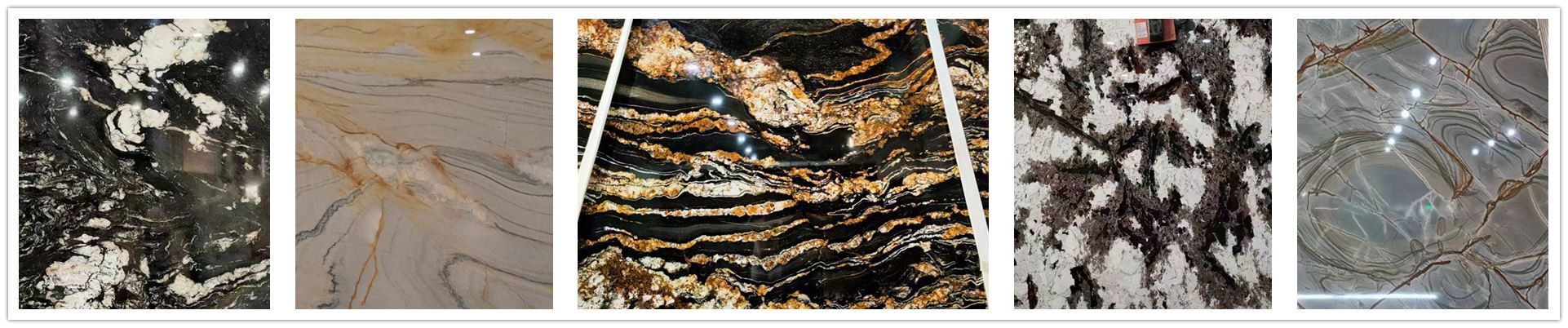


Imported granite is a type of natural stone that is quarried in other countries and imported to your location. Here are some things to consider when choosing imported granite: Durability: Imported granite is a durable and long-lasting material that is resistant to scratches, heat, and stains.
Benefits of Imported Granite
Exceptional Quality
Imported granite slabs are renowned for their exceptional quality, which is attained via the use of modern technology and rigorous quality control standards. Every slab undergoes a comprehensive inspection process to assure exceptional durability and quality across a range of applications. Due to its commitment to quality, Imported granite is an excellent choice for importers looking for trustworthy, premium materials for their projects.
Sustainability
They adhere to environmentally strict regulations and sustainable mining methods. These quarries try to reduce their environmental effect while fulfilling the market for premium granite by using sources that are ethical and environmentally friendly business practices. This commitment to sustainability promises a greener future for the granite industry and represents commitment to environmental responsibility.
Cost Effective
Imported granite combine excellent quality and affordability to provide excellent value for the money. Even with their better quality, these are frequently more affordable than similar materials, which makes them an appropriate choice for a variety of tasks. Because of its cost, importers can get the necessary functionality and appearance without sacrificing quality, which improves the value proposition of Imported granite as a whole on the international market.
Wide Range of Options
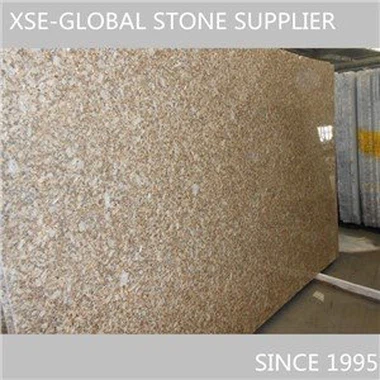
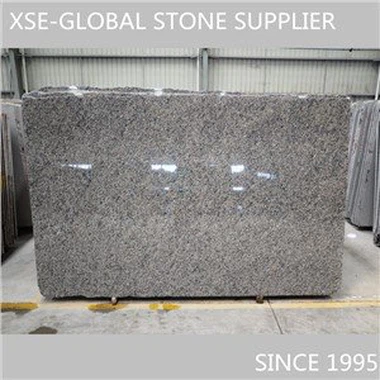
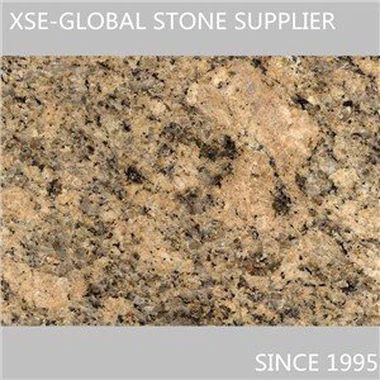
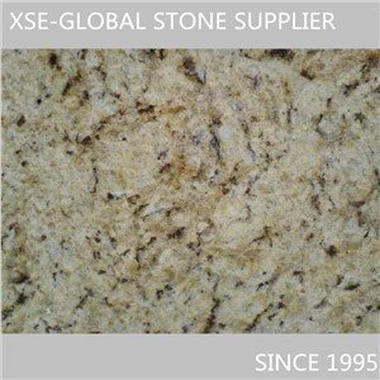
The costly granite market in Imported offers importers an extensive selection of choices, from different colours and designs to various finishes. This extensive variety covers a wide range of project demands and style preferences, enabling importers to locate the ideal granite slabs for their particular requirements. Imported has an extensive variety of granite colours, patterns, and finishes, so importers can find the ideal slabs to add elegance and uniqueness to their projects.

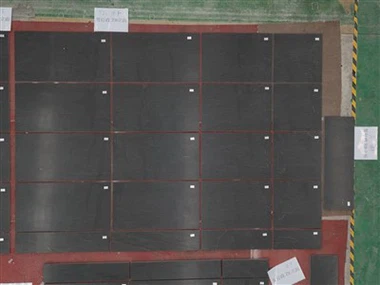


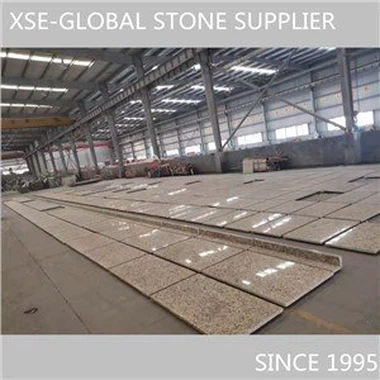


Wide Range of Products
Our main products include granite, marble, quartz, countertop & vanity, tombstone, mosaic & patterns, artificial stone and basalt. These products are widely used in countertop, tiles, mosaic, stairs and steps, windowsills, floor paving, shower surroundings, wall panels and facade in commercial and residential projects.
Advanced Equipment
To ensure high quality and production efficiency, the company has introduced advanced production equipment. Currently, we have 1 set megatron wire saws machine, 4 barsanti and gaspari gang saws machine, barsanti automatic polishing line & keda automatic polishing line, automatic resin line for big slabs, 30 sets of diamond block cutting machine, 20 sets of infrared edge cutting machine, 50 sets of hand polishing machine, 1 set edge modeling and polishing machine, 5 sets of automatic cnc engraving machine and so on.
Rich Experiences
We have rich experienced in doing cut-to-size projects for flooring and wall cladding, countertop and vanity top projects. Our annual export volume exceeds 800 containers, about 60~80 containers per month, and the annual export value exceeds 20 million US dollars per year, and it is still increasing. Our products are mainly exported to Western and Eastern European markets such as the United States, Canada, Slovakia, Poland, Germany, the Middle East market, Japan, South Korea, Singapore and other Asian markets.
Complete Qualifications
For more than 20 years of stable and focused operation, Stone Epic has established a good reputation and brand in the entire stone industry, and has passed ISO9001: 2015 international quality system certification.
Imported Granite and Quartz Countertops Compared
Beauty: Both surfaces are gorgeous. Each granite slab is unique, as found in nature and mined from quarries. Granite has grains and swirls and bright bits that create interest and movement. On the other hand, quartz slabs are uniform, manmade from a mixture of quartz and resin placed under high heat and pressure.
Beauty is in the eye of the beholder, so your choice depends on your style. Quartz allows you to get consistent clean white quartz countertops, while granite provides you with the uniqueness only nature can provide.
Durability: Both quartz and granite are rock hard and will last pretty much forever. However, granite is somewhat more brittle than quartz, making it more vulnerable to chipping, especially during installation.
Quartz laughs at stains and scratches, which can mar the beauty of natural stone like granite and marble. Still, quartz is more sun sensitive than granite, and can fade if installed outdoors.
Maintenance: Unlike granite, quartz is non-porous and needs no sealing. In contrast, granite is porous and requires regular sealing to prevent it from absorbing grease and wine spills.
Both are easy to clean, and benefit from a quick swipe from a damp, soapy cloth. But granite is more sensitive, and can react badly to certain cleaners. For instance, never use vinegar to clean granite, because the mild acid can eat away at the countertop sealant.
Versatility: If you hate seams, granite may be your best bet. Granite can come in slabs more than 70 inches wide, while quartz slabs typically are between 56 and 65 inches wide.
That means you'll have to combine more than one piece of quartz for a wide counter, resulting in a seam. On the other hand, quartz comes in infinite colors and patterns, which gives it a design versatility that granite can't easily match.
How Does The Flaming And Brushing Process Affect The Imported Granite's Texture And Appearance


With its inherent beauty and durability, imported granite has been a mainstay in construction and decoration for centuries. Its versatility and wide range of colors and patterns make it a popular choice for countertops, flooring, and exterior applications. Among the various methods employed to enhance its natural characteristics, the flaming and brushing process stands out for its ability to transform the imported granite's texture and appearance, imbuing it with a unique, aesthetically pleasing, and practical finish.
The Flaming Process
The flaming process involves exposing the imported granite slab's surface to a high-temperature flame. This intense heat causes the surface minerals to expand at different rates, leading to the spalling off of some grains on the surface. As a result, the imported granite attains a rough, textured surface with a more natural and rugged appearance. This method is particularly effective on imported granites with a high quartz content, as the quartz particles explode under high temperatures, creating a distinctively rough surface.
The primary purpose of flaming is to enhance slip resistance, making it an ideal finishing technique for outdoor flooring applications where safety is a concern, such as pool surrounds, walkways, and driveways. Additionally, the process highlights the natural color variations in the stone, adding depth and intensity to its appearance.
The Brushing Process
Following flaming, imported granite can undergo a secondary finishing process known as brushing. This process involves passing the flamed imported granite under or over rotating abrasive brushes made from materials like silicon carbide or steel. The brushing action softens the roughness of the flamed surface by removing the loose particles. It creates a more uniform texture and imparts a slightly glossy sheen to the stone.
The brushing process not only enhances the stone's aesthetic appeal by giving it a more sophisticated finish but also retains the anti-slip properties introduced by flaming. The combination of flaming and brushing results in a visually appealing finish, with a color that is more vibrant and a texture that is both rough and refined.
Applications
The unique finish achieved through flaming and brushing makes imported granite suitable for a variety of applications. Internally, this finish is often used for floors, stair treads, and other areas where slip resistance is important, without sacrificing elegance. Externally, it is highly valued for cladding, landscaping elements, and outdoor entertainment areas where durability against weather elements and aesthetic appeal are paramount.
The flaming and brushing process significantly impacts imported granite's texture and appearance, enhancing its natural beauty while improving its functional properties. This treatment not only makes imported granite more slip-resistant but also highlights its natural color variations, offering a finish that is both practical and visually captivating. As a result, the demand for flamed and brushed imported granite continues to grow in both residential and commercial projects, solidifying its reputation as a versatile and desirable material in the architecture and design industries.
The Colors of Imported Granite
Black Granite
Perhaps one of the most sought after colors of granite is black. Black granite exudes a luxuriant feel. Black is associated with the feel of upscale environemnts. Because of this, there have come to be many slabs in the color black.
Brown Granite
There is perhaps no color that looks mor enatural than granite in a shade of brown. Brown hues offer just the right look for many types of designs. Rustic design is one specific style than benefits from brown tones.
Red Granite
Whether the stone has an overall red hue or there are red accents on a different colored background, some people prefer to have red in the stone. These granite slabs offer either a red background or some other background with red as an aaccent color.
Gold Granite
Gold is a popular granite color. You will find that each gold slab will have its own degree of saturation and brightness. Some of the following slab colors are very bright, and others are somewhat muted. Additionally, you will find that there are slabs with other colors accented with gold highlights.
Gray Granite
A number of granite slabs that have names indicating that they are white, green, brown or beige actually have a gray look to them. Here is a list of some o fthe popular granites that can be viewed as "gray" slabs.
Blue Granite
Some granite slabs are blue overall and others are another color with very prominant blue accents.Granite slabs are examples of these variations of blue granite.
White Granite
White granite is a popular choice and much desired. Many white slabs have other colors to accent the look. The visual texture of some of the slabs also adds interest as well.
Green Granite
Many slabs that make the green list could be also categorized as other colors. Some of the green grnaite is very very dark green and even looks black in some light. Still others may be viewed as gray. But here are some of the slabs that have green tones.
Pink Granite
Whether it is a light pink, dark pink, or salmon colored stone, it will most likely be listed in this group. Pink hues in granite are very distinctive options for some.
Granite Kitchen Countertops
A common application of granite is kitchen countertops. Not only do granite countertops look elegant, but they also provide a durable and functional surface for everyday use, making them a great choice for kitchens.
Their smooth and polished finish makes cleaning a breeze, and they are resistant to heat, stains, and scratches. Whether you're chopping vegetables or placing a hot pan on the counter, granite can handle it all.
Granite Bar Tops
Granite is also one of the preferred materials for bar tops. Since granite is polished and sealed, it is easy to wipe clean, doesn't absorb water from spills or melting ice, and resists stains. It can also.
Outdoor Granite Countertops
Granite can also be used to create functional and attractive outdoor kitchen countertops or bar tops, providing a luxurious surface for outdoor cooking and entertaining that can withstand the weather.
Granite Window Sills
Granite window sills, both interior and exterior, are also a functional choice. Since granite is water resistant, it helps protect the window frame and wall from water damage. It's also easy to clean and highly resistant to wear and tear, making it an especially excellent choice for outdoor use.
Granite Cladding
If you're looking for a simple way to enhance the beauty of your walls, whether exterior or interior, granite cladding is a go-to choice for many. Its versatility ensures it matches every room in your house, from the kitchen to the living room.
But the benefits of granite cladding don't stop there! Granite cladding can also protect your walls from harsh weather, pollution, and potential cracks and other damage. Plus, it offers great heat insulation, making your home more comfortable and energy-efficient.
Granite Skirting
Granite skirting adds a luxurious finish to your walls, giving the joint between wall and floor tiles a seamless look. Since granite is so durable, it's also a classy way to protect your walls from daily wear and tear.
How to Repairing Chips In Imported Granite
Installs, remodels, and even restorations are projects that will at times call for repairing chips in a surface of granite. The material is used for a variety of purposes and like every other material available, it is not impervious to various forms of damage. Even imperfections could be in a granite product. Often times these marred spots show up in the form of chips.
Granite Countertops Get Chipped
One of the features made from materials like granite are countertops. Granted, not all counters are a good fit for granite but when the countertop is made of it, being aware that there may be a need for chip repair is something to consider. Granite countertops do chip even in places where you would never expect this kind of damage.
Granite Surfaces Are Durable, Not Indestructible
Even though a stone countertop or countertops made of granite is durable, it does not mean that the surface cannot be damaged. Countertops especially can be susceptible to chips. Durable materials can chip if they suffer shock or impact in just the right place. Perhaps the most affected area of a surface is an edge. Countertops have multiple edges that can chip relatively easy if a hard object hits the edge. Being able to repair a countertop edge means another potential stream of income for your shop. Or, if you are handy with tools, being able to repair a chip yourself can save you some money, depending on the rates and the frequency you use the repair equipment.
Chip Repair in Granite Surfaces
When talking about repairing chips in granite surfaces, the process is relatively simple. It will take a bit of effort, time, and patience to get the chip repaired, but it is worth it for the consumer. This is because owners of surfaces have come to appreciate the material and realize the expense involved in replacing surfaces made from granite,
Granite Chip Repair Steps
Having the correct tools to repair a chip is only the beginning of the process, but it is a good start. Using the tools effectively is what yields the results. Repairing chips in a granite surface involves the following steps.
- Clean the area of the granite surface that you will be repairing.
- Remove the dust that was generated from milling out the chipped area and then clean the area.
- Allow the cleaned are of the granite to dry.
- Place the flat molding surface on the top of the granite slab directly over the spot to be filled and clamp it down.
- Using the filler and the coloring paste, mix the two together so that the filler is the proper color needed to match the granite surface.
- Place the colored filler into the gap between the granite surface and your flat molding surface.
- Wait for the filler to harden up and dry.
- Clean and refine the edges of the filled area to remove excess filler.
FAQ
Xiamen Stone Epic Co., Ltd. is well-known as one of the leading imported granite manufacturers and suppliers in China. We warmly welcome you to wholesale high quality imported granite for sale here from our factory. For customized service, contact us now.
Angola Black Granite Price, Bianco Antico Granite Slabs, Angola Black Gold Granite Slabs