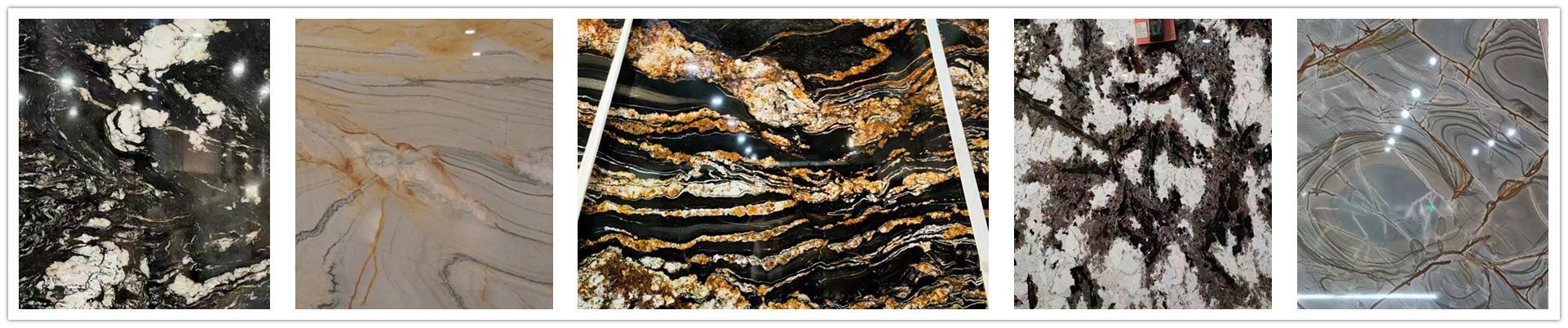

Over 200 types of different stone slabs avaiable in stock, we import plenty stone rough blocks worldwide from quarry directly. We are one of the largest suppliers of imported granite blocks, mainly importing blocks from Brazil, India, Angola, the United States and other countries,one of our main product is Angola Black, annual import amount exceed 50,000 cubic meter, we are the largest supplier of Angola Black in China. You may also visit our granite website as below to having more information.

What Is Level 1 Granite


Also known as “entry-level granite” or “commercial grade”, level 1 granite is the most affordable option. It typically showcases simpler patterns and a limited range of colors. The most popular level 1 granite colors are white or cream, beige, tan, gray, brown, and black.Level one granite is usually sourced from China and has a thinner cut, about 3/8 inch. This means that it is not as durable as other levels and may need a plywood backing to make it last longer. Some slabs may have noticeably different areas in the stone that do not match the other areas.


Benefits of Level 1 Granite

Durability

Granite is renowned for its hardness and durability, making it resistant to scratches, heat, and moisture. Its robust nature ensures longevity, reducing the need for frequent replacements.

Aesthetics

With its unique veining, color variations, and polished finish, granite adds a touch of elegance and sophistication to any architectural design, enhancing the overall aesthetic appeal.

Versatility

Granite's versatility allows for diverse applications in both interior and exterior spaces, catering to various design preferences and functional requirements.


Low Maintenance

Properly sealed granite surfaces are easy to maintain, requiring simple cleaning with mild soap and water. Regular sealing helps protect against stains and ensures the stone's longevity.


Why Choose Us


Wide Range of Products
Our main products include granite, marble, quartz, countertop & vanity, tombstone, mosaic & patterns, artificial stone and basalt. These products are widely used in countertop, tiles, mosaic, stairs and steps, windowsills, floor paving, shower surroundings, wall panels and facade in commercial and residential projects.


Advanced Equipment
To ensure high quality and production efficiency, the company has introduced advanced production equipment. Currently, we have 1 set megatron wire saws machine, 4 barsanti and gaspari gang saws machine, barsanti automatic polishing line & keda automatic polishing line, automatic resin line for big slabs, 30 sets of diamond block cutting machine, 20 sets of infrared edge cutting machine, 50 sets of hand polishing machine, 1 set edge modeling and polishing machine, 5 sets of automatic cnc engraving machine and so on.


Rich Experiences
We have rich experienced in doing cut-to-size projects for flooring and wall cladding, countertop and vanity top projects. Our annual export volume exceeds 800 containers, about 60~80 containers per month, and the annual export value exceeds 20 million US dollars per year, and it is still increasing. Our products are mainly exported to Western and Eastern European markets such as the United States, Canada, Slovakia, Poland, Germany, the Middle East market, Japan, South Korea, Singapore and other Asian markets.


Complete Qualifications
For more than 20 years of stable and focused operation, Stone Epic has established a good reputation and brand in the entire stone industry, and has passed ISO9001: 2015 international quality system certification.


Are Level 1 Granite Heat Resistant
 

Natural Heat Resistance: Granite is a natural stone formed from volcanic activity, making it inherently heat-resistant. It can withstand high temperatures without suffering damage or discoloration. This property is particularly advantageous in kitchen settings where hot pots, pans, and cooking appliances are commonly used.


High Melting Point: Granite has a high melting point, typically around 1215-1260 degrees Celsius (2219-2300 degrees Fahrenheit). This far exceeds the temperatures typically encountered in kitchen environments, making granite countertops exceptionally resistant to damage from heat sources.


Minimal Thermal Expansion: Granite has minimal thermal expansion, meaning it does not expand significantly when exposed to heat. This property ensures that the structure of the stone remains stable even when subjected to rapid changes in temperature, preventing cracks or other heat-related damage.


Proper Sealing Enhances Heat Resistance: While granite itself is heat-resistant, the application of a proper sealant can enhance its performance and longevity. Sealants provide an additional layer of protection against stains, including those caused by prolonged exposure to heat. Regular sealing is recommended to maintain the countertop's resistance to various elements.


Caution with Extreme Heat: While granite is highly heat-resistant, it is advisable to exercise caution with scorching items. Placing hot pots or pans directly from the stove or oven onto the granite surface may not cause immediate damage, but using trivets or hot pads is a good practice to ensure the longevity of the countertop.


Variation in Granite Types: It's important to note that different types of granite may have varying degrees of heat resistance. The mineral composition and specific characteristics of each type of granite can influence its performance under extreme heat.


Detailed Description of Each Grade Granite
 

Level 1: Entry-Level Granite
Level 1 granite, often referred to as entry-level or commercial grade, is the most budget-friendly option. Typically sourced from China and prefabricated, Level 1 granite slabs are thinner, around ⅜ inch, and require plywood backing to enhance durability. While they lack the color variation found in higher grades, they still offer an appealing, understated look. The main advantage of Level 1 granite is its cost-effectiveness, making it an excellent choice for those on a tight budget. However, due to its thinness, it may not be as durable as higher-grade options.


Level 2: Mid-Grade Granite
Level 2 granite represents the mid-grade option, offering a balance between affordability and quality. This grade of granite is generally imported from India or Brazil and features more color variation and pattern than Level 1 granite. At around ¾ inch in thickness, Level 2 granite offers better durability than its entry-level counterpart. While it costs more than Level 1, it still presents a more affordable option than the high-grade variants.


Level 3+: High-Grade Granite
For those seeking the highest quality, Level 3+ granite is the top-tier choice. High-grade granite, usually sourced from India or Brazil, is recognized for its unique appearance and superior quality. It typically has a thickness of ¾ inch or more and features rare colors, patterns, and veins for a truly unique finish. While Level 3+ granite is the most expensive, it is also the most durable and visually striking, making it an excellent long-term investment for your home.


5 Steps To Check The Quality of Your Level 1 Granite Slab
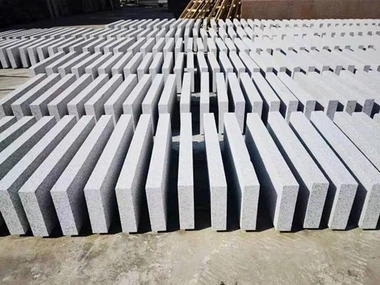
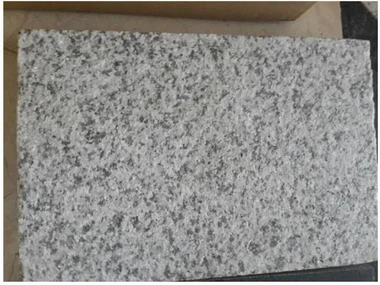
Sesame White Granite Paver
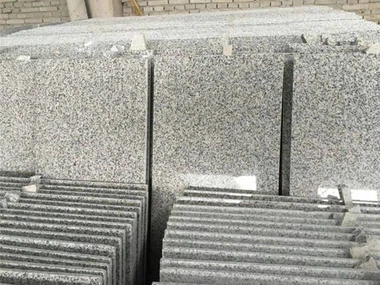
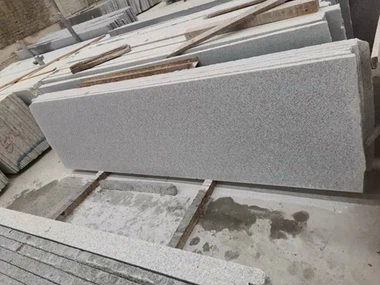
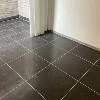
Grey Granite Tiles
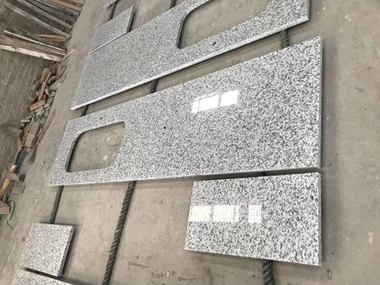
Gray Granite Countertops Countertops
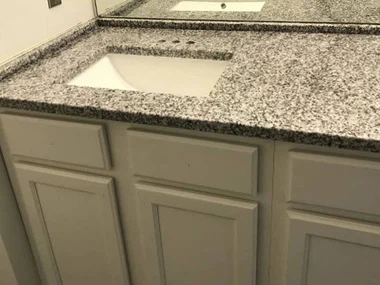
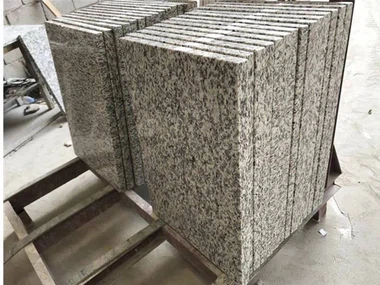
Tiger Skin White Granite Countertop

You cannot determine quality on looks alone, but more elegant granite will also carry a higher price. Usually, more abundant stones have more basic colors and design palettes. Higher-quality slabs will be uniform and straight since it impacts functionality. Stone imperfections imply either a low-grade stone or poor care while cutting the slabs. Since you may not be able to determine the grade of your granite immediately, there are five steps to check its quality:


Visual Assessment
You should do a once over, looking for any discoloration, chips or cracks, scratches or dings. You should be able to see a crystal-like structure in the stone. Have a straight edge handy to check that the edges have been cut straight. The corners should also be straight and sharp. Overall, the granite should have a uniform color and thickness.

While you are most concerned with the presenting surface, don't forget to assess the underside of the granite as well. The back should not have any circular marks, indicating the stonecutter didn't use water to cut it. Lastly, the granite should have a clear ringing sound if you strike it.


Checking Measurements
First, the slab measurements should be within one millimeter of your specified amounts. When you measure diagonally from corner to corner, both should be identical.

Always measure the thickness. 15 to 20 millimeters is the base requirement for any construction work. The thicker the granite, the stronger it is. Entry-level slabs often are thin and require a wood backing for reinforcement.


The Coin Test
Granite should be dense and hard. You can check the hardness by pressing the stone with a blunt, hard object. A coin works well. You should reject the granite if the stone chips or splits from your coin's pressure. You can also check the polish quality with the coin. If you gently scrape the polished surface and scratches appear, the polish or sealant is of poor quality.


Porosity Level
You can check the porosity of your granite by dropping three to four drops of citric acid or lemon juice on top. If the slab absorbs the liquid quickly, it is highly porous and not a high-quality stone. If an excessive amount of calcite is present, the lemon juice will leave a white stain on the surface, indicating a lower quality granite.


Verifying Color
If the color isn't uniform or you suspect some artificial color enhancement, a simple test will verify its quality. Dip a cloth in rubbing alcohol and then kerosene. Run it along a portion of the slab. If it changes colors, someone has used an artificial pigment to hide the actual appearance of the granite.


The Difference Between Level 1 Granite And Marble


Granite is an igneous rock seen all around the world in thousands of styles and forms. Granite is one of the most prominent natural stones on earth, and is beloved across the globe for its versatility. Granite is probably most known for its application as countertops in kitchens and bathrooms, but this all-encompassing rock truly does it all!


When you think of luxury and elegance, marble may be one of the first things to come to mind. ‘Marble' is a word originally used by geologists to describe limestone that has been metamorphosed. It is an abundant stone seen across much of the world in many different forms and applications.


Beyond countertops, marble can be seen as flooring, fireplaces, walls, and even sculptures. This stone is known and loved for its soft coloring and iconic veining across its surface. Although available in a wide variety of colors, the most notable marble facades will be a creamy white with soft gray veining.


Granite Vs. Marble
Depending on what you're looking for in terms of design and functionality, the perfect stone for you may vary. It's also important to consider availability in your area before determining the perfect stone to get the job done. You may love the look and performance of a certain type of granite, but have to pay a premium for it to be shipped to you. Be sure to check local availability before deciding on the best slab for your project.


In terms of hardness and longevity, granite takes the cake in comparison to marble. Granite is typically considered one of the hardest stones on the market, so it's no surprise that it beats marble in this category. In fact, marble is actually known for being a softer stone; which is why it is used often for sculptures.


In terms of appearance, it is really up to the buyer. Marble is elegant and luxurious while granite is tough and comes in a wide variety of styles. If you know you love the classic look of marble, there's no comparing it to granite. But if you're after a wider selection of textures and colors, granite offers an extensive range to choose from.


In terms of maintenance, both stones will require sealing. Marble is a bit more high-maintenance in that it will require sealing about twice a year, whereas granite only needs it once every two years. But again, if marble is the look you're after, the sealing will be well-worth it.


In terms of cost, granite tends to be cheaper than marble but this can vary greatly. Certain granite will exceed marble costs and vice versa. It depends on the style and quantity you are looking for. In all, the cost will usually not differ too severely.


Why Is My Level 1 Granite Dull


Most granite goes through a polishing process during its manufacturing. Since these materials are raw from the earth, they need a considerable amount of buffing to get that shine they are known and loved for. But over time, that shine can get clouded by buildup on the surface and forgotten about.


Some examples of the build up that can occur on the surface are food debris, calcium deposits, grease, and soap residue that gradually accumulates over many years. So although the granite may appear dulled, it's usually still shiny at its core but hidden by layers of use from over the years.


It's also important to note that if your granite countertops are sealed, this sealant can wear off over time. When the seal is no longer protecting the surface of the stone, these layers of dullness can actually stain the stone. It's crucial to ensure your stone is free of debris on its surface and sealed every so often to protect the surface for years of use to come.


Can Restore Granite's Shine
If no permanent damage has been done and the granite's seal is still intact, then the original shine is possible to restore. Granite can be restored through several methods depending on the needs of the homeowner design and performance wise. Take the age of your stone into consideration. Newer stones can usually be restored on your own while older ones may need professional help to get back to the original shine.


There are plenty of granite-safe soap film removers on the market to choose from. For minor dulling, these products are a fantastic resource to take advantage of. For areas that are more difficult, try using a razor blade to lightly scrape off any residue that's visible.


After scraping away any signs of dullness, it's a good idea to apply a polishing powder to further bring out the granite's shine. After this process, you'll want to reseal your stone to ensure it's fully protected against any damages.


Another option, although slightly more abrasive, is acetone or a stone scrub. These products can easily be applied on your own with a buffer or polisher. Again, resealing the stone once finished is a necessary step to keep your countertops looking and performing like new for years.


FAQ


Q: What is level 1 granite?

A: Also known as “entry-level granite” or “commercial grade”, level 1 granite is the most affordable option. It typically showcases simpler patterns and a limited range of colors. The most popular level 1 granite colors are white or cream, beige, tan, gray, brown, and black.

Q: How do you maintain level 1 granite?

A: When your granite countertop is properly sealed, daily care is a breeze. Just use a soft cloth to dust the surface, or wipe it down with plain water or a mild soap. If your countertop needs extra cleaning, use a specially-formulated stone cleaner with a neutral pH. Never use abrasive cleansers or harsh chemicals.

Q: Natural level 1 granite materials feature?

A: Level 1 granite often contains other minerals, such as hornblende and mica, and presents various colors, including grey, brown, green, red and absolute black, etc. The crystallization process is very slow, and crystals are intertwined one by one like a rubik’s cube, so it is very hard. It is as durable as a house, does not drop debris, is not easy to scratch, and is not afraid of high temperatures. As long as there is some common sense of maintenance, natural granite will not fade or darken. It is almost free from pollution, the surface gloss is very high after polishing, and the impurities brought by all kinds of weather can hardly adhere.

Q: How to make level 1 granite shiny again?

A: In a spray bottle, create a 50/50 mixture of isopropyl alcohol and water. One cup alcohol and one cup water should do it. Spray the entire counter down with the water/alcohol mixture and wait five minutes.

Q: What is the difference between tier 1 and tier 2 granite?

A: Expect to pay $40-$50 per square foot for grade 1-tier 1 granite. Tier 2 granite can be found in grade 1 or grade 2. The quality of tier 2 is slightly better than tier 1 and most slabs of tier 2 granite will have a thickness of ¾ of an inch. Tier 2 grade 2 will offer better quality and patterns.

Q: Is level 1 granite good?

A: Level 1 granite slabs are thin (typically 3/8 inch) and require plywood backing for them to have more durability. While level 1 granite is low grade, the finished product looks high-quality. It has a simple and sleek design and comes at a budget-friendly price for homeowners that are on a budget.

Q: How to clean dull level 1 granite?

A: Make a mixture of three parts baking soda to one part warm water, and combine until smooth. Apply a thin layer of the paste to your granite surface, and gently buff with a clean cloth. Wipe away any residue with a damp cloth and dry the granite for a smooth, shiny surface.

Q: What causes level 1 granite to lose its shine?

A: Granite countertops losing their shine due to a buildup of soap is a common issue for most bathroom countertops and showers, as well as parts of a kitchen countertop that are near the sink. If your countertops have been properly sealed, their shine hasn't disappeared. It's still there, just buried under a film of soap.

Q: How can you tell if level 1 granite is high quality?

A: To check a granite countertop's quality, examine its thickness, typically ranging from ¾ inch to 1¼ inches for durability. Look for consistent color patterns across the surface, indicating high-quality fabrication. Additionally, inspect the countertop's finish for smoothness and uniformity to meet your aesthetic.

Q: How do I choose level 1 granite?

A: Coordinate with existing elements: Choose a granite that complements the color scheme and style of your cabinets, flooring, and appliances. Create visual interest: Use contrasting colors or patterns to create a focal point. For example, a dark granite countertop can add drama against light cabinets.

Xiamen Stone Epic Co., Ltd. is well-known as one of the leading level 1 granite manufacturers and suppliers in China. We warmly welcome you to wholesale high quality level 1 granite for sale here from our factory. For customized service, contact us now.

Bianco Sardo Granite Countertops, Hazel White Granite, Grey Granite Tiles