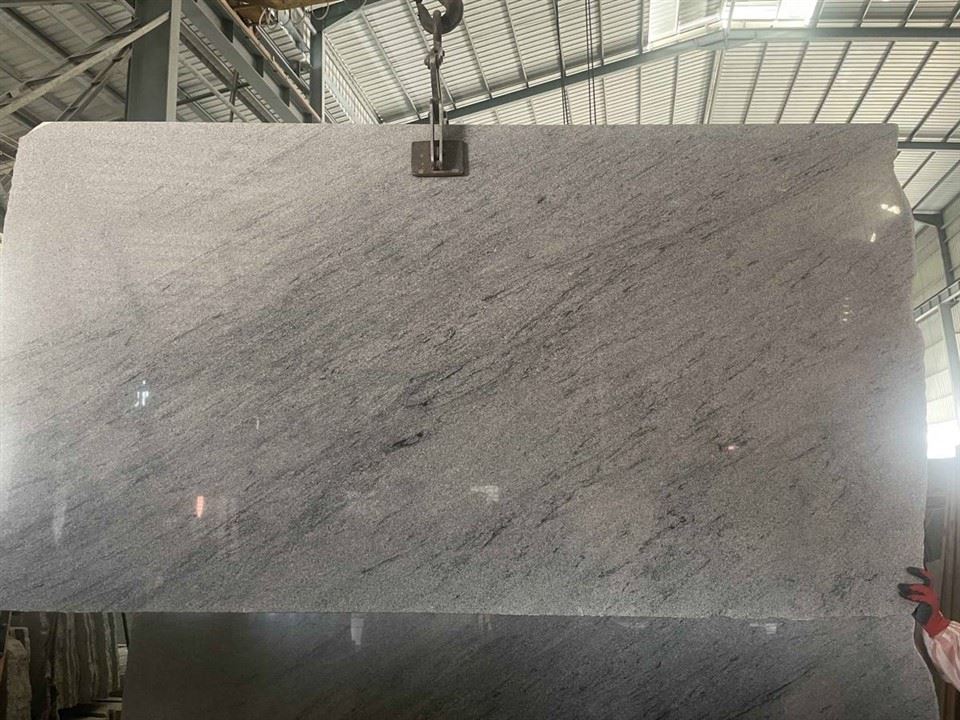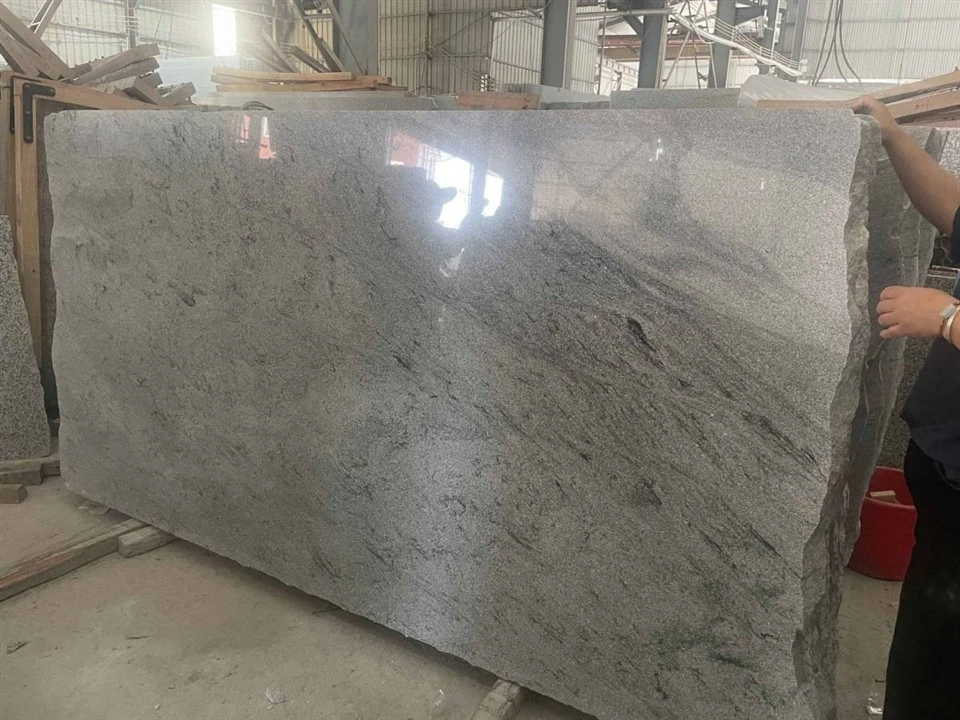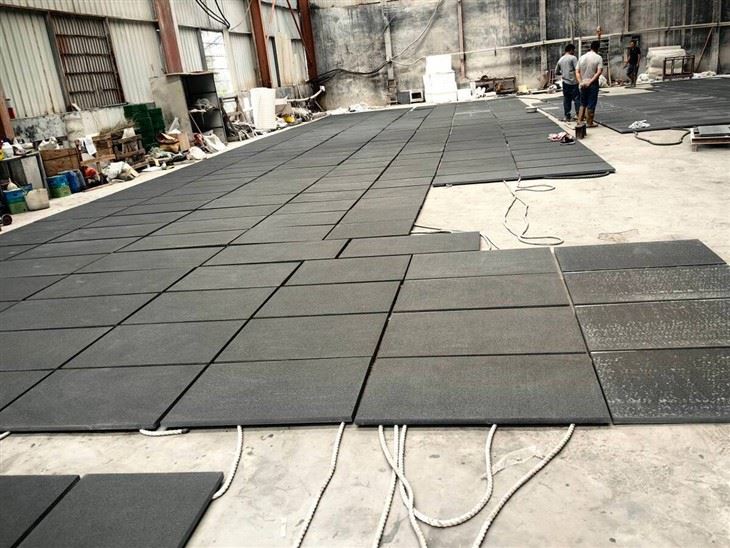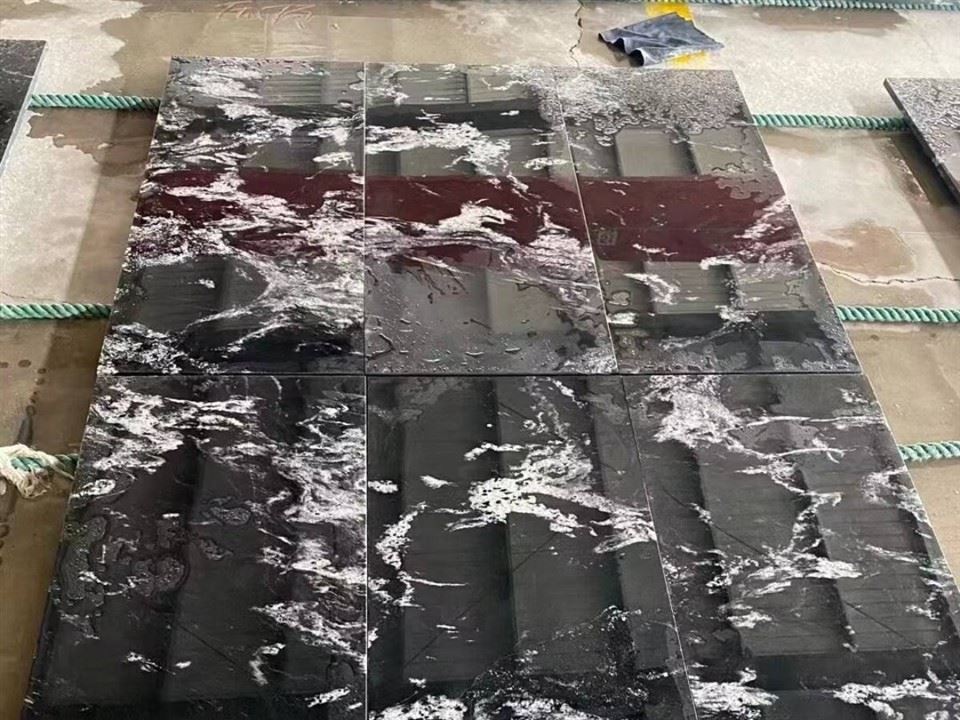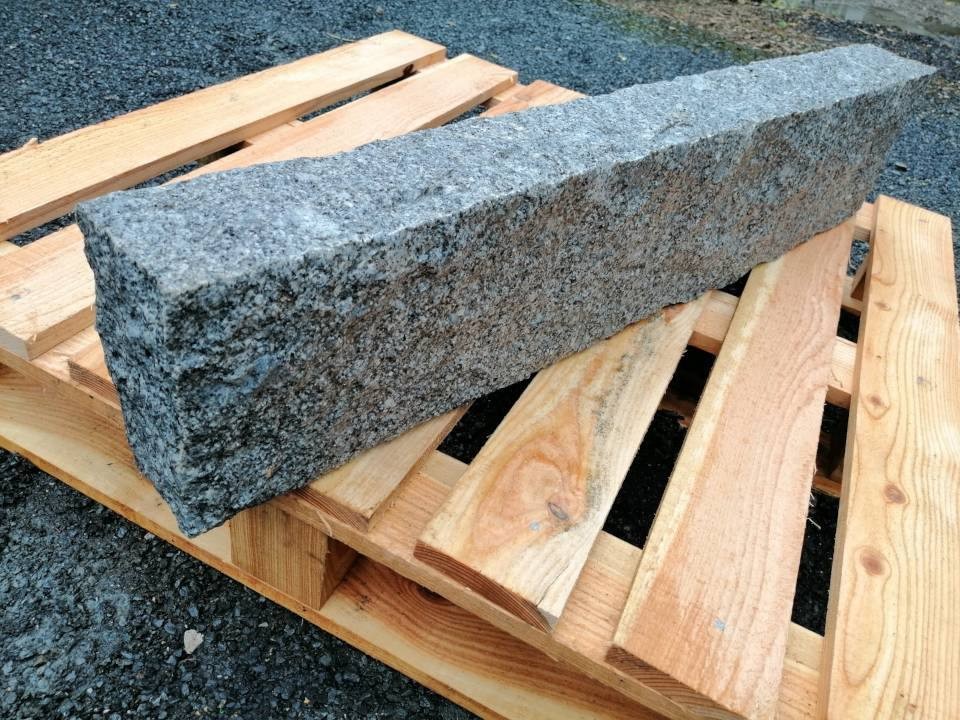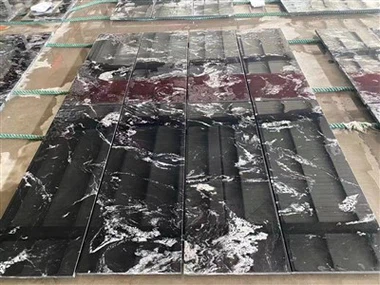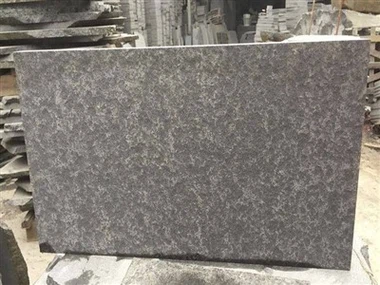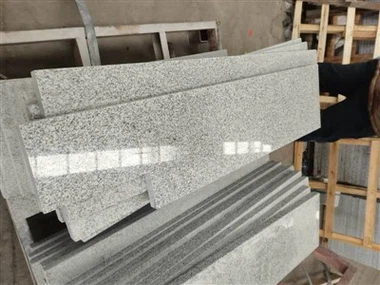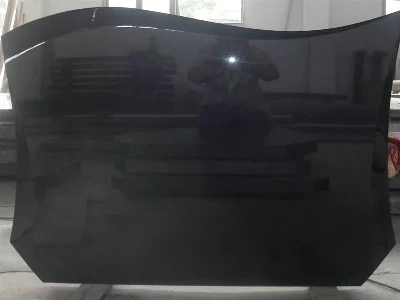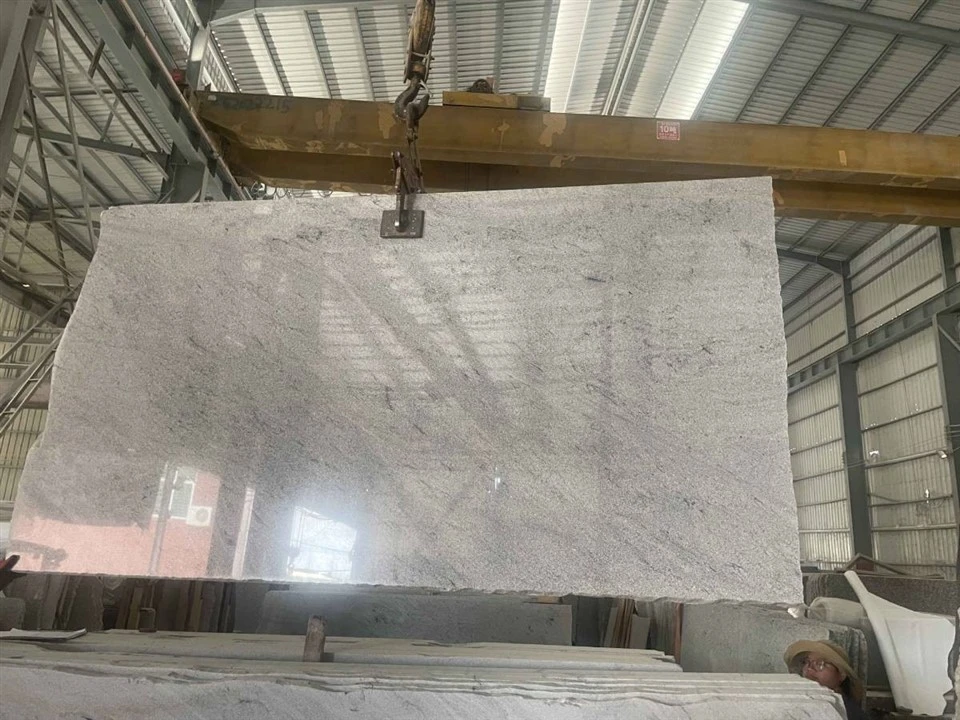

XIAMEN STONE EPIC CO., LTD: Your Professional Granite Supplier!


Wide Range of Products
Our main products include granite, marble, quartz, countertop & vanity, tombstone, mosaic & patterns, artificial stone and basalt. These products are widely used in countertop, tiles, mosaic, stairs and steps, windowsills, floor paving, shower surroundings, wall panels and facade in commercial and residential projects.


Advanced Equipment
To ensure high quality and production efficiency, the company has introduced advanced production equipment. Currently, we have 1 set megatron wire saws machine, 4 barsanti and gaspari gang saws machine, barsanti automatic polishing line & keda automatic polishing line, automatic resin line for big slabs, 30 sets of diamond block cutting machine, 20 sets of infrared edge cutting machine, 50 sets of hand polishing machine, 1 set edge modeling and polishing machine, 5 sets of automatic cnc engraving machine and so on.


Rich Experiences
We have rich experienced in doing cut-to-size projects for flooring and wall cladding, countertop and vanity top projects. Our annual export volume exceeds 800 containers, about 60~80 containers per month, and the annual export value exceeds 20 million US dollars per year, and it is still increasing. Our products are mainly exported to Western and Eastern European markets such as the United States, Canada, Slovakia, Poland, Germany, the Middle East market, Japan, South Korea, Singapore and other Asian markets.


Complete Qualifications
For more than 20 years of stable and focused operation, Stone Epic has established a good reputation and brand in the entire stone industry, and has passed ISO9001: 2015 international quality system certification.


FirstLast

Brief Introduction to Granite


Granite is a type of felsic, intrusive igneous rock that is composed primarily of quartz, along with feldspar and mica. It is an extremely hard and durable material, often forming the core of many mountain ranges. Granite is characterized by its coarse-grained texture and the way the various minerals interlock to form a tight, strong bond.


Features of Granite


Hardness and Durability
Granite is an extremely hard and durable rock. Its high hardness rating (around 6 to 7 on the Mohs scale) makes it resistant to scratching, abrasion, and weathering. This durability ensures that granite surfaces last for many years with minimal wear and tear.


Aesthetic Appeal
Granite is highly prized for its natural beauty and unique appearance. It exhibits a range of colors, from neutrals like grays and whites to more vibrant hues like reds, blues, and greens. Granite also features intricate patterns and veins created by different mineral compositions, adding visual interest and elegance to any space.


Heat Resistance
Granite is a naturally heat-resistant material, making it suitable for use in kitchen countertops, fireplace surrounds, and other areas where heat is a factor. You can safely place hot pots and pans on granite countertops without damaging the surface.


Non-Porous Surface
Granite is a non-porous material, meaning it does not absorb liquids easily. This property makes granite an excellent choice for kitchen countertops, bathrooms, and other areas where spills and stains are a concern. Spills can be easily wiped away, leaving the granite surface clean and hygienic.


Scratch Resistance
Although granite is hard and durable, it is not completely scratch-proof. Sharp objects or heavy impacts can scratch or chip the surface. However, with proper care and maintenance, scratches and chips can be minimized, and the granite will retain its beauty for many years.


Versatility
Granite is a versatile material that can be used for both indoor and outdoor applications. Its durability and heat resistance make it a popular choice for kitchen countertops, while its natural beauty and weather-resistant properties make it suitable for outdoor paving, cladding, and other architectural elements.


Composition of Granite
 

Quartz
Quartz is the most abundant mineral in granite, typically accounting for about 20% to 60% of its volume. Quartz is a hard, transparent or translucent mineral with a high silica (SiO2) content. It gives granite its characteristic sparkle and hardness.


Feldspar
Feldspar is the second most abundant mineral in granite, comprising approximately 10% to 60% of its volume. Feldspar is a group of minerals that contain aluminum and silica in combination with either sodium, potassium, or calcium. These minerals contribute to the pink, white, or gray colors of granite.
Potassium feldspar (K-feldspar): Also known as orthoclase, it is a pink or white mineral that often forms large crystals in granite.
Sodium feldspar (Na-feldspar): Also known as albite, it is a white mineral that can also be found in granite.
Calcium feldspar (Plagioclase): It is a common mineral in granite and can vary in color from white to gray.


Mica
Mica is a silicate mineral that adds a shimmering, almost metallic appearance to granite. It is found in thin layers or flakes that reflect light. Mica typically comprises 1% to 15% of the volume of granite.


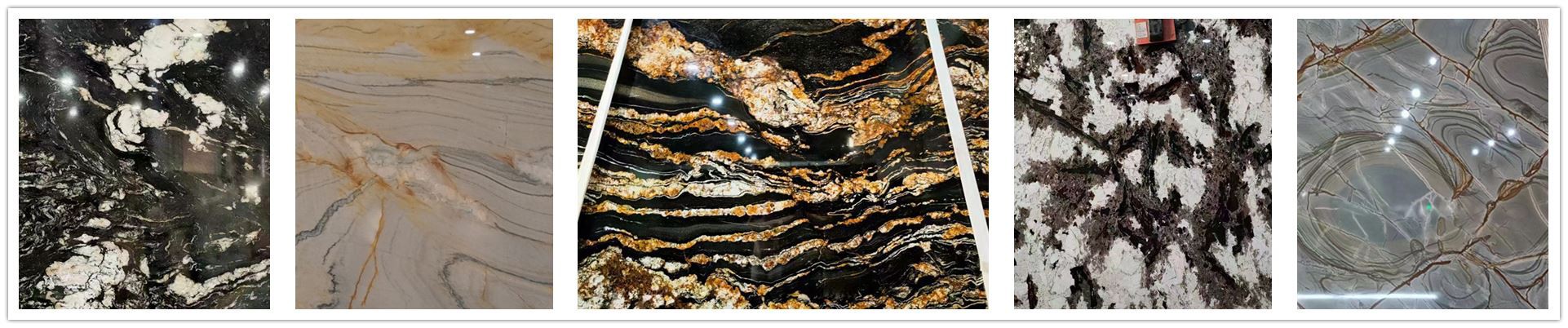
Types of Granite
亚洲黑人
新伯特利白
利昂黑钻石
绝对黑色

Classification by mineral composition

Two-Mica Granite
Two-Mica Granite, Chinese name is two-mica granite, is a kind of granite containing significant amounts of biotite and/or muscovite. It is named for its unique mineral composition and rock structure. Dimicite granite has a variety of textures and may be fine-grained or coarse-grained, depending on the conditions and processes in which the rock was formed. Due to its unique mineral composition and beautiful appearance, two-mica granite is often used in scientific research and also has wide application potential in the construction and decoration fields.


Eclogite Granite
Eclogite is a high-pressure metamorphic rock composed mainly of garnet and omphacite (a high-pressure variant of chlorite). Eclogite is usually dark green to black in color and has a dense, blocky structure. Due to its high-pressure formation, eclogite is relatively rare in the Earth's crust, but can be found in orogenic belts in some areas.


Amphibolite Granite
It is mainly composed of hornblende and feldspar. Common ones include hornblende granite and hornblende two-pyroxene rock.


Biotite Granite
Biotite granite, also known as biotite granite, is a type of granite composed of quartz, feldspar, biotite and other minerals. The “Biotite” in its name refers to biotite, which is one of the important mineral components of this granite. Biotite granite has a wide range of applications in the fields of construction and decoration due to its unique mineral composition and physical properties. It can be used as the preferred material for high-end architectural decoration projects and outdoor sculptures, and is also commonly used as a building material, such as paving stones, floor tiles, etc.


Quartz Granite
Quartz granite is a type of granite composed mainly of quartz, feldspar, and other silicate minerals. The “Quartz” in its name refers to quartz, one of the most important mineral components of this rock. Quartz granite varies in color, but is usually gray, white, pink, or light flesh-red. The color may be affected by the content of minor minerals. Due to the high hardness of quartz, quartz granite also has a relatively high hardness, making it a durable building material. The wear resistance of quartz makes quartz granite have good durability in outdoor environments. Quartz granite is often used in the construction and decoration fields because of its diverse colors and textures and unique aesthetic value. Quartz granite is widely used as a building material such as flooring, wall panels, steps, etc. due to its high hardness, wear resistance and beauty. Its unique color and texture also make it a popular decorative material for indoor and outdoor decoration.


Classification by rock color

White Granite
White granite, literally meaning white granite, is a type of granite with white as the main hue. It is mainly composed of minerals such as feldspar, quartz and mica, among which the content of quartz is usually higher. The color of White Granite is mainly white or light tones, but it may also appear in gray, light yellow and other tones due to the content and type of secondary minerals. White granite has a higher hardness and belongs to hard rock with good wear resistance and durability. Due to its unique color and texture, white granite has a high aesthetic value in the field of architectural decoration. White granite is widely used as a building material such as flooring, wall panels, steps, etc. due to its high hardness, wear resistance and aesthetics. In indoor and outdoor decoration, white granite is also often used as decorative elements such as countertops, fireplaces, sculptures, etc., adding elegance and nobility to the space.


Red Granite
Red granite is a type of granite characterized by its distinctive red hue. The color is primarily red and may vary in shades depending on the region and specific rock sample. The main mineral components of red granite include quartz, potassium feldspar, plagioclase and amphibole. Due to its unique color and physical properties, red granite is widely used as building stone and decorative materials such as floors, wall panels, steps, etc. In addition, it can be used for indoor and outdoor decoration and sculpture making.


Green granite
Green Granite is a specific type of granite that is characterized by its unique green hue. This color may come from the presence of specific minerals in the rock, such as chlorite, epidote, or iron-containing minerals. Due to its unique green hue and physical properties, Green Granite is widely used in architecture, decoration, and landscaping. It can be used for indoor and outdoor floor paving, wall decoration, sculpture making, and many other occasions.


Classification by structure

Fine-Grained Granite
Fine-Grained Granite is a type of granite whose distinctive feature is the fine mineral particles. The color of Fine-Grained Granite is usually off-white, but may vary slightly depending on the content and type of secondary minerals. It exhibits a fine-grained granitic structure, that is, the mineral particles are small and evenly distributed, forming a tightly interwoven structure. Fine-Grained Granite also has a higher hardness due to the higher hardness of primary minerals such as quartz and feldspar. Its high hardness and tightly interwoven structure of mineral particles give Fine-Grained Granite good wear resistance. Although Fine-Grained Granite is relatively single in color, its unique mineral composition and particle size give it certain aesthetic value. Fine-Grained Granite's high hardness and wear resistance make it a high-quality building material, often used in building walls, floors, etc. It can also be used to make art, tombstones, etc., and has certain collection value because of its unique texture and texture.


Medium-Grained Granite
Medium-Grained Granite is a type of granite with a medium-grained structure. The medium-grained structure means that the size of its mineral particles is between fine and coarse. The color of medium-grained granite is usually light flesh-red, but it may also vary depending on the content and type of secondary minerals. Medium-grained granite has a high hardness and is a hard rock. Due to the tightly interwoven structure of its mineral particles and its high hardness, medium-grained granite has good wear resistance. Medium-grained granite is widely used as a building material such as floors, wall panels, steps, etc. due to its high hardness, wear resistance and aesthetics. In addition, medium-grained granite can also be used to study and utilize the non-ferrous metals, heavy metals, rare metals and radioactive element minerals contained in it.


Coarse-Grained Granite
Coarse-Grained Granite is a type of granite with larger mineral particles. The mineral particles of this rock are significantly larger than those of fine-grained granite, but smaller than those of coarse-grained granite. The high hardness, wear resistance and aesthetics of coarse-grained granite make it a high-quality building material, often used in building walls, floors, steps, etc. Coarse-grained granite can also be used in research, decoration, sculpture and other fields. Its unique texture and color make it an ideal material for artistic creation.


How To Choose Granite?
 
01/

Use Scenario
Choose according to the purpose of granite, such as whether it is used for indoor or outdoor places such as building exterior walls, kitchen countertops, floors, etc. Considering the wear resistance, acid and alkali resistance and waterproofness of granite, ensure that the selected granite can meet the needs of the use scenario.

02/

Physical Properties
Pay attention to the physical properties of granite such as hardness, density and wear resistance, which will directly affect the durability and service life of granite. Generally speaking, granite with high hardness and density is more durable and suitable for outdoor or high-traffic areas.

03/

Color And Texture
Granite has a rich selection of colors and textures, which can be selected according to personal preferences and decoration styles. Different colors and textures will also affect the price of granite, so you need to make a choice based on your budget.

04/

Price
The price of granite is affected by many factors, including origin, quality, color, texture and processing method. When choosing, you need to make a reasonable choice based on your budget to ensure that the price of the selected granite is within an affordable range.


How To Maintain Granite?

Remove Stains In Time: If there are stains, wipe them with paper immediately to prevent the stains from spreading or penetrating into the stone.

Gentle Cleaning: Scrub the surface of the granite with clean water and mild soap, then wipe dry with a soft cloth. For stubborn stains, repeated scrubbing or the use of a paste cleaner may be required.

Anti-Scratch: Sealing the granite countertop can form a protective layer on it to prevent scratches and scuffs. Reseal the countertop regularly to maintain its effect.

Avoid High Temperatures: Do not place very hot objects directly on the surface of granite furniture, and hot plates should be placed on pads.

Anti-Corrosion: Avoid acidic substances such as lemon juice and vinegar from contacting granite for a long time, as these substances may corrode the surface of the stone.

Waterproofing Measures

Make sure the granite has been waterproofed before installation, or perform appropriate waterproofing after installation.

Stone Care Agent

Consider using a professional stone care agent or sealant to increase the waterproof and stain-resistant properties of granite.

Professional Cleaning Services

For large areas or stubborn stains, consider seeking professional stone cleaning and maintenance services.


Application of Granite

绝对黑色

Building Materials

Granite is a popular choice for building materials due to its durability, hardness, and aesthetic appeal. It is commonly used for countertops, floor tiles, cladding, and monuments.

新伯特利白

Dimension Stone

Granite is often quarried in large blocks and cut into slabs or tiles for use as dimension stone. Its durability and beauty make it suitable for both indoor and outdoor applications.

利昂黑钻石

Decorative Stone

Granite’s unique patterns and colors make it a popular choice for decorative applications such as fireplace surrounds, backsplashes, and shower walls.


Frequently Asked Questions


Q: What is the definition of granite?

A: Granite is an igneous rock formed by the condensation of magma below the surface. Its main components are feldspar and quartz. It is named because of its characteristics as a deep-seated rock, which often forms well-developed mineral grains that can be seen by the naked eye.

Q: What are the main mineral components of Granite?

A: Quartz: usually from 20% to 50%, and even a few can reach 50% to 60%.
Potassium feldspar: The content is generally higher than plagioclase, and the content ratio of the two is often two-thirds of the total feldspar, and plagioclase accounts for one-third.
Plagioclase: It is a kind of feldspar and occupies a certain volume.
Minor minerals: Such as biotite and hornblende, which affect the color and physical properties of the rock.

Q: What are the structural and structural characteristics of Granite?

A: Structure: It presents a granite structure, that is, the mineral particles are evenly distributed, forming a tightly interwoven structure.
Texture: It is usually a blocky structure, and the rock is blocky as a whole, without obvious stratification or texture.

Q: What types of granite are there according to their mineral composition?

A: Hornblende granite: A dark variety of granite suitable for all weather conditions.
Biotite granite: Available in a variety of colors, it is the hardest of all granites and suitable for both indoor and outdoor use.
Talc granite: Not very suitable for flooring, countertops and outdoor use, only for decorative purposes.
Electric granite: With a variety of colors, relatively soft, suitable for places with little traffic.

Q: What are the main uses of Granite?

A: Building materials: Due to its excellent physical properties and decorative effects such as high strength, high hardness, wear resistance, corrosion resistance, etc., it is widely used in the construction field.
Art decoration: Its beautiful appearance and diverse colors make it an ideal material for artistic decoration.
Sculpture materials: Due to its high hardness and wear resistance, it is the first choice for open-air sculpture.
Other engineering materials: Such as paving, water conservancy projects, bridge projects, port dams, ground foundations, etc.

Q: Is granite magnetic?

A: Granite is a rock composed of a variety of minerals, including quartz, feldspar, and mica. These minerals are not magnetic, so granite itself is not magnetic. However, some types of granite may contain small amounts of magnetic minerals, such as magnetite or pyrrhotite.

Q: Is granite harder than steel?

A: Granite is one of the hardest materials, harder than steel, so a steel knife cannot scratch the surface of granite. Due to its hardness, granite is very resistant to wear and tear and maintains its polished quality for a long time.

Q: Can you cut vegetables on granite?

A: You can’t cut vegetables on granite. Granite is a high-hardness rock, and its Mohs hardness rating is usually between 6-7. This high hardness makes the granite surface a challenge for the sharpness of knives. Cutting vegetables on granite is likely to damage the blade, making the knife blunt or damaged. In addition, granite is not a food-grade material and may contain trace elements or impurities that are harmful to the human body. Cutting vegetables on granite for a long time may cause these harmful substances to remain on the food, posing a potential threat to human health.

Q: What can damage granite?

A: All acidic foods are harmful to granite countertops, including citrus juices, wine, vinegar, and beauty products like nail polish remover. Acidic substances can eat away at the surface, breaking down its seal and exposing the delicate stone underneath to more stains.

Q: Which is more expensive, quartz or granite?

A: Both quartz and granite will retain their value for many years to come, and the material costs are roughly the same, with quartz being slightly cheaper. However, luxury quartz products can be just as expensive as granite slabs.

Xiamen Stone Epic Co., Ltd. is well-known as one of the leading granite manufacturers and suppliers in China. We warmly welcome you to wholesale high quality granite for sale here from our factory. For customized service, contact us now.

engineered granite, granite for pool, green granite