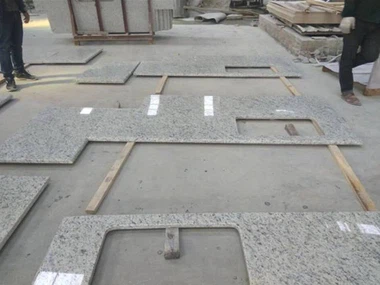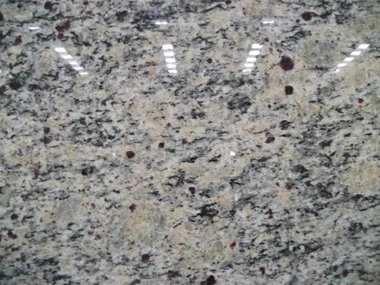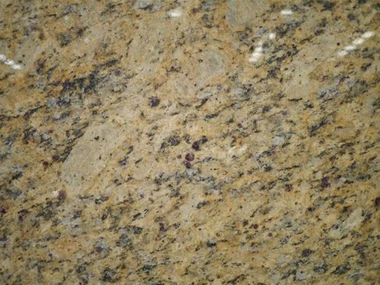
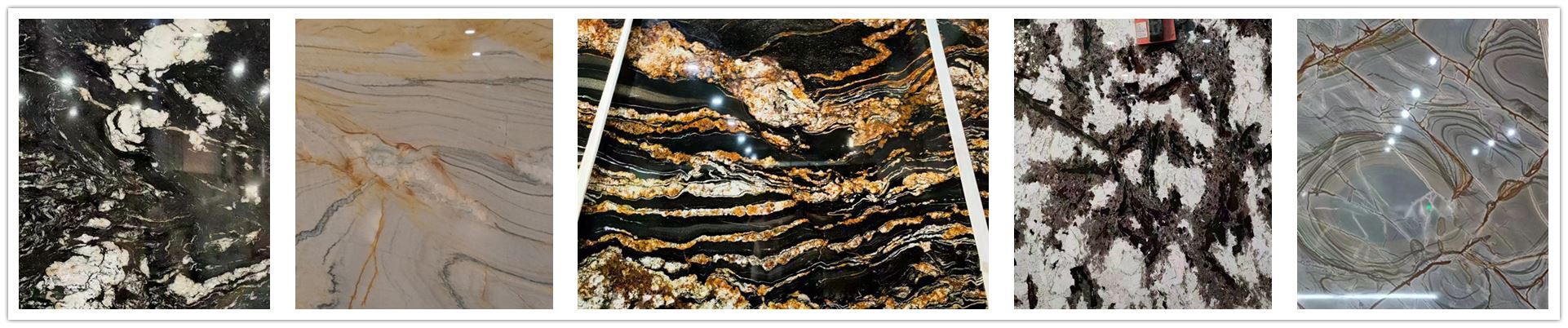

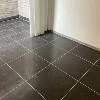
Level 2 granite are the medium price range granite. They have more pattern variations and it looks more unique than many other granite stones. The Level 2 grade stone is a bit thick, around 3/4 inch. Thus, it is more durable. By choosing this type, you have the opportunity to discover more patterns that are potentially ideal for different rooms, such as the kitchen, bathroom, and even commercial space.
Benefits of Level 2 Granite
Durability
Level 2 granite is a tough, durable material that's ideal for kitchen countertops. It's extremely tough, one of the toughest stone materials available for kitchen countertops, and is resistant to chipping or scratching. Granite can also be sealed, which helps to make it even more durable so that it lasts longer.
Keep Your Countertops Clean
Level 2 granite is resistant to bacteria and dirt, making it easy to keep clean. Sealing granite gives it extra protection, ensuring it's nonporous and nothing will be able to soak into it and leave a stain. The smooth surface of sealed granite is super easy to wipe clean.
Add Value to Your Home
Granite countertops might not necessarily increase the monetary value of your home directly, but they can make your kitchen more appealing to prospective buyers in the future. They might be willing to pay more for your property if they know that it has features such as granite countertops.
Easy to Repair
Level 2 granite is very hard and doesn't scratch or chip easily, but in the event that this happens, it's easy to fix. If there is a small chip in the granite, it can be repaired using a putty in a matching colour that hardens. It can then be sealed to protect the countertop and ensure no liquids or anything else can damage it.
Range of Colours
You might think of granite as being gray or black, but in reality, it comes in a huge range of colours. Whether you want to have light countertops or you're looking for a darker colour, there's an option that will suit your tastes and the style you want for your kitchen. Level 2 granite offers you a textured pattern so you can see different colours mixing together and sometimes even some sparkling elements that reflect the light too.
Uniqueness
If you're looking for unique countertops for your kitchen, granite is the ideal material. No two slabs of granite are exactly the same. You can choose a colour or pattern that you like, but you will still receive completely unique granite countertops that are unlike anyone else's. Each slab of granite has its own swirls and patterns and will add a finish to your kitchen that can't be replicated elsewhere.
Why Choose Us
Wide Range of Products
Our main products include granite, marble, quartz, countertop & vanity, tombstone, mosaic & patterns, artificial stone and basalt. These products are widely used in countertop, tiles, mosaic, stairs and steps, windowsills, floor paving, shower surroundings, wall panels and facade in commercial and residential projects.
Advanced Equipment
To ensure high quality and production efficiency, the company has introduced advanced production equipment. Currently, we have 1 set megatron wire saws machine, 4 barsanti and gaspari gang saws machine, barsanti automatic polishing line & keda automatic polishing line, automatic resin line for big slabs, 30 sets of diamond block cutting machine, 20 sets of infrared edge cutting machine, 50 sets of hand polishing machine, 1 set edge modeling and polishing machine, 5 sets of automatic cnc engraving machine and so on.
Rich Experiences
We have rich experienced in doing cut-to-size projects for flooring and wall cladding, countertop and vanity top projects. Our annual export volume exceeds 800 containers, about 60~80 containers per month, and the annual export value exceeds 20 million US dollars per year, and it is still increasing. Our products are mainly exported to Western and Eastern European markets such as the United States, Canada, Slovakia, Poland, Germany, the Middle East market, Japan, South Korea, Singapore and other Asian markets.
Complete Qualifications
For more than 20 years of stable and focused operation, Stone Epic has established a good reputation and brand in the entire stone industry, and has passed ISO9001: 2015 international quality system certification.
While level 2 granite are indeed heat resistant, it's essential to understand that they are not entirely heatproof. Being heat resistant means they can withstand heat to a certain degree. However, extreme or prolonged exposure to high heat can potentially damage the granite, especially if it's a sudden temperature change, a phenomenon known as thermal shock. Thermal shock is not common, but it is possible, especially when the countertop is cold like on a winter day.

How Much Heat Can Level 2 Granite Withstand?

On average, a granite countertop can withstand temperatures up to 1200 degrees Fahrenheit without experiencing immediate damage. However, this does not mean you should place hot items directly on the granite surface. The sealant applied to granite countertops to protect against stains and scratches is less heat resistant than the stone itself. This sealant may get damaged at much lower temperatures, usually around 450 to 500 degrees Fahrenheit.
Entry-Level Granite
Level 1 granite, often referred to as entry-level or commercial grade, is the most budget-friendly option. Typically sourced from China and prefabricated, Level 1 granite slabs are thinner, around ⅜ inch, and require plywood backing to enhance durability. While they lack the color variation found in higher grades, they still offer an appealing, understated look. The main advantage of Level 1 granite is its cost-effectiveness, making it an excellent choice for those on a tight budget. However, due to its thinness, it may not be as durable as higher-grade options.
Mid-Grade Granite
Level 2 granite represents the mid-grade option, offering a balance between affordability and quality. This grade of granite is generally imported from India or Brazil and features more color variation and pattern than Level 1 granite. At around ¾ inch in thickness, Level 2 granite offers better durability than its entry-level counterpart. While it costs more than Level 1, it still presents a more affordable option than the high-grade variants.
High-Grade Granite
For those seeking the highest quality, Level 3+ granite is the top-tier choice. High-grade granite, usually sourced from India or Brazil, is recognized for its unique appearance and superior quality. It typically has a thickness of ¾ inch or more and features rare colors, patterns, and veins for a truly unique finish. While Level 3+ granite is the most expensive, it is also the most durable and visually striking, making it an excellent long-term investment for your home.
How to Check Granite Quality
Step 1
Perform a thorough visual inspection of the granite slab. Look for any blemishes such as cracks, chips, discolorations, scratches, and dings. Also, be on the lookout for the uniformity of the surfaces. Check the edges if they are cut straight. It may be hard to eyeball for a beginner, use a straight edge for reference.
Step 2
Check the dimensions if they are up to specifications. Do not accept a slab that was not cut to the measurements you specified. It will only lead to sacrifices and problems on your end.
Step 3
Measure the thickness. Entry-level slabs are sold very thin with wood backing. There isn’t much of a difference in thickened from middle to high-grade but high-grade granite can come in thicker variants. This is not just an arbitrary marker though. The thicker the granite the stronger it is.
Step 4
Gently brush a coin on the polished surface of the granite to check for polish quality. Slabs that easily scrape may have low-quality polish or sealant.
Step 5
The quality of the granite can be tested by subjecting it to different chemicals. Granite has a very specific reaction to lemon and can determine a few characteristics for you. If the lemon is absorbed then the material is porous or not polished properly. Leaving a white stain after putting lemon droplets on the surface is an indicator of high calcite content. You’ll want to stay away from slabs with these reactions.
Dipping a piece of cloth in rubbing alcohol and then kerosene is also another test. Granite slabs that discolor from this test are colored with artificial pigments and do not display their natural appearance.
Differences between Level 2 Granite and Quartz
Granite is a naturally occuring igneous rock consisting primarily of natural quartz, mica, and feldspar. Raw granite blocks are mined from quarries, cut into slabs, and finished for installation (marble and quartzite are also considered natural stones). In comparison, quartz is a manufactured material comprised of crushed-up natural stone bonded together by plastic resins, formed into slabs, and finished for installation.
Granite slabs typically feature beautiful flecks and/or veins of color ranging from neutrals like cream, white, black, and silver, to more vivid shades of red, green, gold, blue, and rust. Patterns within granite slabs can vary in consistency and color as each slab of natural stone is unique and unpredictable. Imperfections and striations are normal and to be expected when dealing with natural stone.
On the other hand, quartz slabs tend to be more consistent in color and pattern due to the manufacturing process. Pigments are added during production meaning that quartz comes in an especially wide range of colors and patterns. Many quartz designs mimic the look of natural stone and concrete.
Application of Level 2 Granite


Construction and Architecture
Building Facades: Granite's durability and resistance to weathering make it an excellent choice for building exteriors. Many iconic structures worldwide, such as museums and government buildings, are made using granite.
Flooring and Steps: Its tough surface and ability to withstand heavy foot traffic make granite an ideal material for flooring in high-traffic areas like malls, airports, and hotels.
Countertops: Granite countertops are popular in kitchens and bathrooms due to their beauty, scratch resistance, and heat resistance.
Monuments and Statues
Granite's ability to hold minute details and its longevity make it a preferred material for monuments and statues. Granite offers a timeless and beautiful appearance with its unique patterns, textures, and colors. It is available in various shades ranging from light to dark, allowing for customization to suit different design preferences and cultural traditions.
Kitchenware and Tools
Cookware: Granite mortar and pestles are used for grinding spices and herbs, taking advantage of granite's hardness and resistance to wear.
Cutting Boards: Granite cutting boards are used for their durability and resistance to scratches and bacteria growth.
Decorative Applications
Fireplace Surrounds: Granite adds elegant appearance and heat resistance to fireplace designs.
Arts and Sculptures: Artists use granite's texture and colors to create unique sculptures and artworks.
Infrastructure and Engineering
Bridges and Dams: Granite is used in the construction of bridges and dams due to its strength and ability to resist erosion.
Road Pavements: Crushed granite is used as aggregate in asphalt and concrete, providing strength and durability to road surfaces.
How to Maintain Level 2 Granite
Granite is a porous stone, which means that liquid spills, if left unattended, can seep into the surface and cause stains. Immediate attention to any spills, particularly those from oils, acidic liquids, and colored beverages, is crucial. Use a paper towel or a soft cloth to soak up the spill, and gently rinse the area with mild soap and water. Avoid harsh, abrasive cleaners, as they can scratch the surface over time.
When it comes to day-to-day cleaning, choosing the right product is paramount. Look for a pH-balanced cleaner that is specifically formulated for stone surfaces. These cleaners are gentle enough to preserve the integrity of the granite and will not leave behind any streaks or buildup. Regular cleaning with a gentle formula can not only maintain the shine of your granite but also prevent the need for heavy-duty cleaning later on.
Certain substances can chemically react with granite and cause damage. Common household items to avoid using on granite include vinegar, lemon juice, ammonia, and bleach. These can dull the finish, alter the color, or potentially break down the sealant over time. Opt for industry-safe cleaning products that are designed not to interact negatively with your countertop.
Sealing your granite countertops seems like an obvious protective measure, but it's often overlooked. A good quality sealant creates a protective barrier that repels liquids, preventing stains from setting in. It's recommended to seal your granite about once a year. To test if your countertops need sealing, sprinkle some water on the surface - if it beads up, the seal is still active; if it doesn't, it's time to reseal.
When cleaning your granite, use soft, non-abrasive cloths or sponges. Microfiber cloths are highly effective and recommended for their non-scratch properties.
Regular maintenance is key in preventing the buildup of dust, grime, and potential abrasive particles on your granite countertop. Simply dusting with a microfiber cloth can help maintain a clean surface and reduce the risk of scratches. For a deeper clean, use the dampened cloth with a mild cleaning solution, wiping the entire countertop to ensure a level shine.
FAQ
Xiamen Stone Epic Co., Ltd. is well-known as one of the leading level 2 granite manufacturers and suppliers in China. We warmly welcome you to wholesale high quality level 2 granite for sale here from our factory. For customized service, contact us now.
Santa Cecilia Granite Slab, Level 2 Granite, Santa Cecilia Light Granite Kitchen