
Custom Tombstone Engraving Techniques: From Laser Etching to Hand-Carving
Dec 24, 2025
Leave a message
Custom tombstone engraving plays a critical role in memorial design, transforming stone into a lasting tribute. The choice of engraving technique affects not only the visual outcome but also durability, production time, and overall cost. Today, both modern technology and traditional craftsmanship are used in tombstone carving, each with distinct advantages depending on material selection and project requirements.
This article compares common tombstone engraving methods, suitable stone types, and the typical production process involved in custom memorial projects.
Overview of Common Tombstone Engraving Techniques
Engraving methods can be broadly divided into mechanized techniques and handcrafted approaches. Selecting the right method depends on design complexity, stone hardness, and desired finish.
Laser Etching: Precision and Image Detail
Laser etching uses focused laser beams to mark the stone surface, creating high-contrast images or text.
Key Characteristics
- Best suited for detailed portraits, photographs, and fine lettering
- Produces shallow surface markings
- High consistency and repeatability
Suitable Stone Types
Laser etching works best on dark-colored polished granite, where contrast is strongest. It is not recommended for marble or light-colored stones due to low visibility and reduced durability.
Durability Considerations
Laser-etched designs are primarily surface-level. Over time, exposure to weather may soften contrast, especially in outdoor environments.
Sandblasting: Clean Lines and Long-Term Legibility
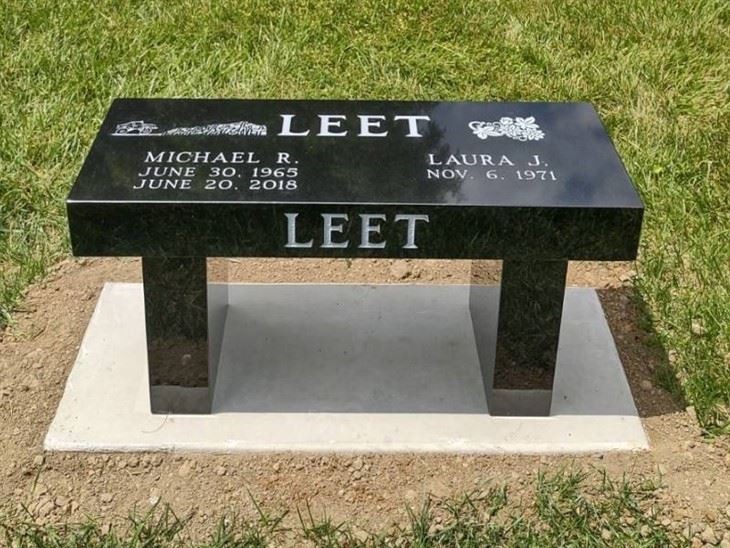
Sandblasting remains one of the most widely used techniques in tombstone carving.
Key Characteristics
- Creates deeper engraved lettering
- Suitable for names, dates, and standard symbols
- Balanced cost and durability
Suitable Stone Types
Granite and quartzite perform well under sandblasting due to their density. Marble can also be sandblasted but may lose sharpness faster in outdoor conditions.
Durability Considerations
Deeper cuts ensure better long-term legibility, even after decades of exposure.
Hand-Carving: Traditional Craftsmanship and Artistic Value
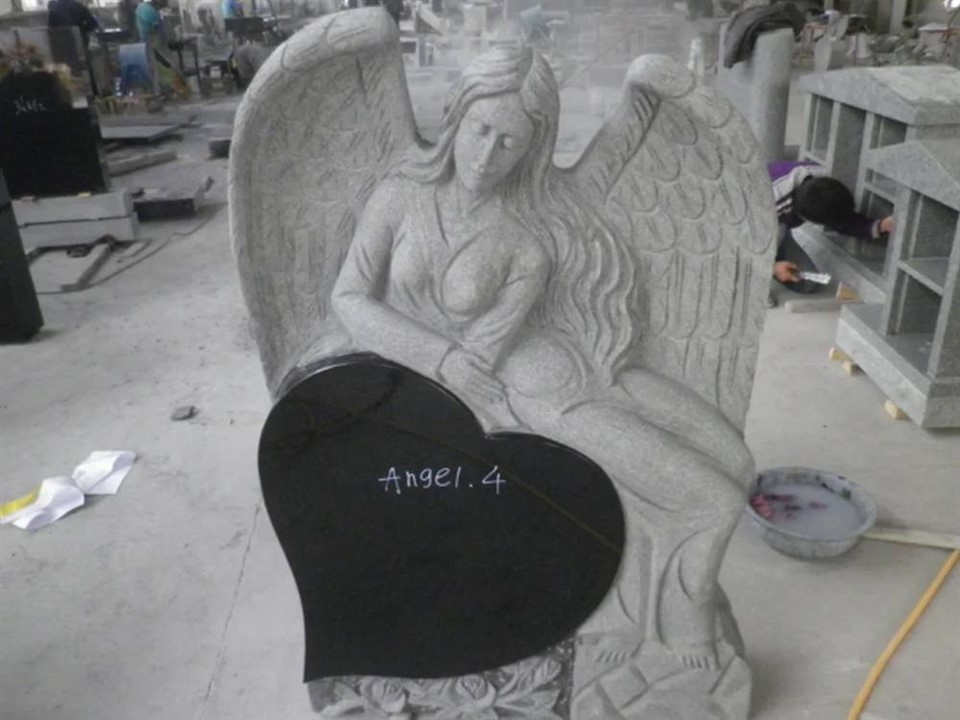
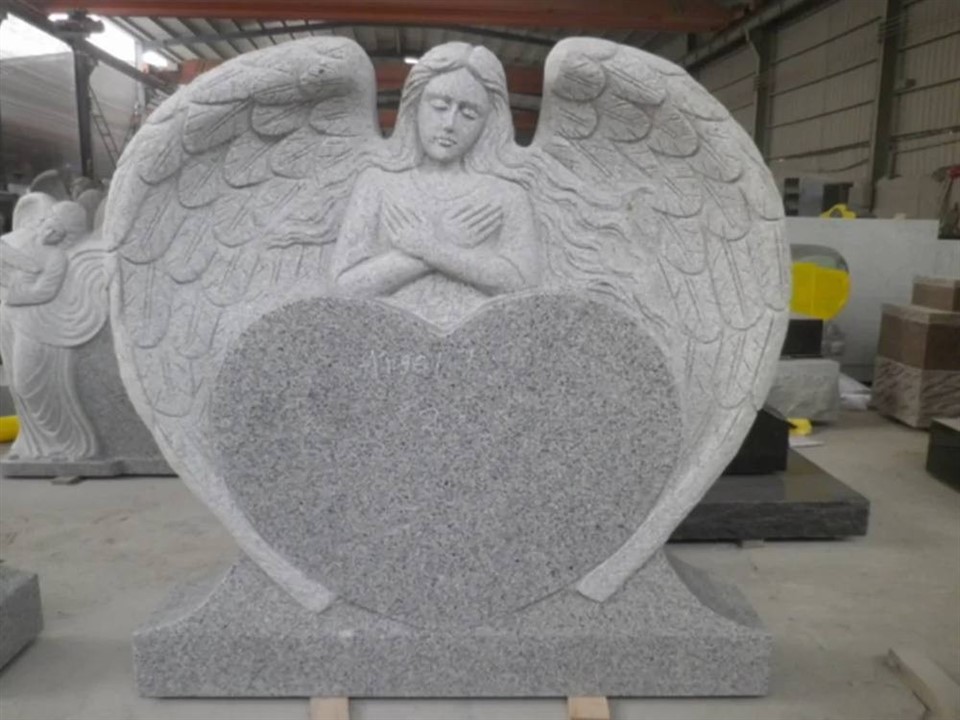
Hand-carved tombstones represent the highest level of craftsmanship.
Key Characteristics
- Allows three-dimensional relief and sculptural details
- Unique, non-repetitive results
- Higher labor and time investment
Suitable Stone Types
Marble and softer granites are preferred for hand carving due to their workability. Quartzite is generally too hard for detailed manual carving.
Durability Considerations
When executed correctly, hand-carved designs maintain depth and clarity over time, though marble may still weather faster than granite.
Choosing the Right Stone for Custom Engraving
Stone selection directly impacts engraving quality:
- Granite: Best overall option for durability and engraving clarity
- Marble: Ideal for artistic carving, limited outdoor durability
- Quartzite: Excellent durability, limited engraving flexibility
Working with experienced suppliers ensures proper material selection based on engraving method.
Typical Production Process for Custom Tombstone Engraving
- Design approval – Artwork, text layout, and font selection
- Stone selection – Color, grain, and surface finish confirmation
- Engraving method selection – Based on design and durability needs
- Engraving execution – Laser, sandblasting, or hand carving
- Surface finishing – Polishing, cleaning, and optional painting
- Quality inspection – Checking depth, alignment, and contrast
Clear communication during early stages helps avoid costly revisions.
Cost and Lead Time Considerations
- Laser etching offers shorter lead times and lower costs for detailed images
- Sandblasting balances durability and efficiency
- Hand carving requires longer production cycles and higher craftsmanship costs
Buyers should align technique selection with budget, timeline, and expected lifespan.
Custom tombstone engraving combines material science, craftsmanship, and design sensitivity. Granite remains the most versatile material for engraving, while marble suits artistic traditions and quartzite serves niche durability-focused projects. By understanding engraving techniques and material compatibility, buyers can ensure lasting, respectful memorials that meet both aesthetic and functional expectations.