

Granite, Quartz or Quartzite? A Countertop Procurement Matrix
Oct 08, 2026
Leave a message
Granite, Quartz or Quartzite for a Countertop Project?
Granite, engineered quartz and natural quartzite can all be used for countertop projects, but they should not be purchased in the same way. The main differences are not limited to color or price. Buyers also need to compare natural variation, pattern repeatability, slab approval, fabrication inputs, finish options and the number of matching units required.
For commercial and multi-unit projects, the safest approach is to choose the material route first and then define the exact product reference, dimensions, fabrication scope and approval process.
The Three Materials Are Not Interchangeable
| Buying Factor | Granite | Engineered Quartz | Quartzite |
|---|---|---|---|
| Material Type | Natural stone | Engineered surface | Natural stone |
| Visual Variation | Natural variation between blocks and slabs | Usually more controlled within the same product reference | Often significant movement and slab-to-slab variation |
| Pattern Repeatability | Limited | Generally easier for repeated units | Limited |
| Approval Basis | Current lot or slab references | Exact product reference and production batch where applicable | Actual slab images or slab selection |
| Fabrication Planning | Dimensions, openings, edges and visible faces | Dimensions, edges, cutouts, seam and vein direction | Dimensions, cutouts, edges and slab layout |
| Multi-Unit Projects | Suitable when variation range is controlled | Strong option when repeatability is important | Best where natural variation is accepted |
| Feature Surfaces | Strong natural stone character | Controlled visual direction | Strong natural movement and focal-surface potential |
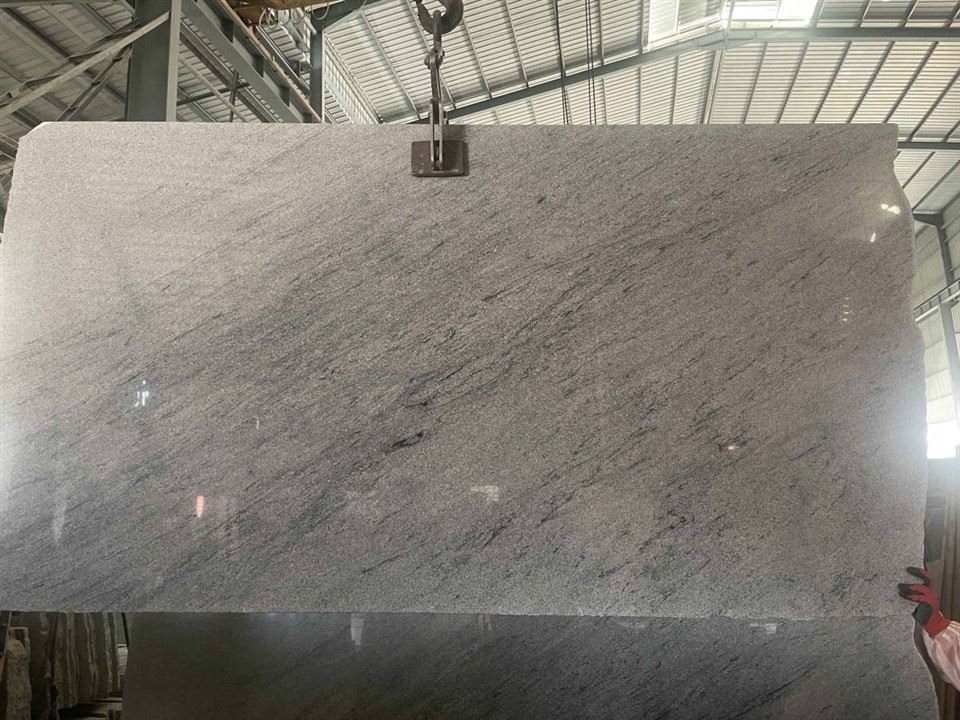
Choose Granite When Natural Variation Is Acceptable
Granite is a natural stone with visible mineral grains, crystals and color movement that can change from one block or production lot to another. That variation is part of the material rather than a manufacturing defect.
For countertop purchasing, buyers should not approve granite only from a small chip or an old catalog photograph. When color matching matters, ask for current material references and define the acceptable range before cutting starts.
- Suitable for natural-stone countertop programs.
- Current lot or slab approval may be required.
- Visible pieces should be coordinated before cutting.
- Finish and edge details should be stated on drawings.
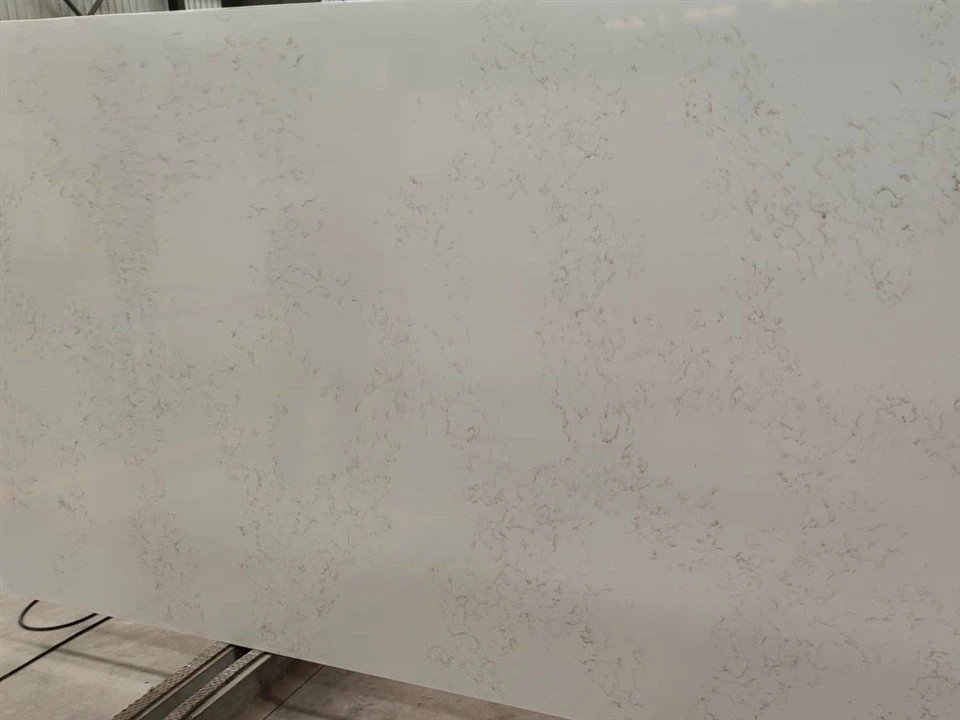
Choose Quartz When Repeatability Matters More
Engineered quartz is usually easier to specify when a project requires many countertop units with a consistent product identity. Instead of selecting individual natural slabs, the purchasing process focuses more heavily on the exact quartz reference, sample approval, batch control and fabrication drawings.
This makes quartz attractive for apartments, hotels, residential developments and other projects where the same visual direction needs to be repeated across many units. Buyers should still confirm the exact product reference rather than assuming similar trade names will match.
- Useful for repeated countertop unit types.
- Approve the exact color and pattern reference.
- Confirm vein direction for directional designs.
- Mark exposed edges and openings on drawings.
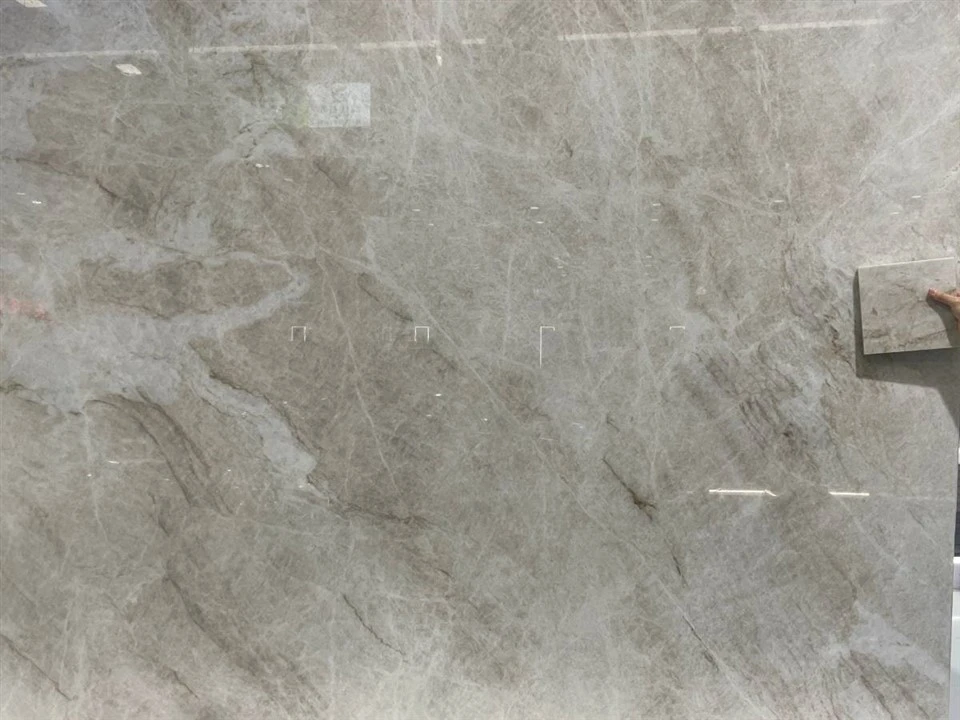
Choose Quartzite for Natural Movement and Feature Surfaces
Quartzite is natural stone and should be treated as a slab-selection material. Large veins, clouds, mineral movement and background changes may extend across the full slab, so a small sample cannot show the complete visual result.
For kitchen islands, reception counters and other focal surfaces, the actual slab layout can become part of the design decision. Buyers should review current slab images, usable dimensions, vein direction and the relationship between adjoining pieces before fabrication.
- Best evaluated from current full-slab references.
- Vein direction can affect finished countertop appearance.
- Large islands may require detailed slab-layout planning.
- Natural variation should be accepted before cutting.
Natural Variation and Pattern Repeatability
Granite
Approve a reasonable range of background color, grain and mineral markings. Multiple slabs should be coordinated when adjoining pieces need a similar appearance.
Quartz
Approve the exact product reference and check whether directional veining must follow a defined layout. Repeat projects should reference the same approved design.
Quartzite
Review current slabs rather than relying on a small sample. Natural movement may change noticeably from one slab to another.
Approval Requirements Change by Material
Natural Stone Approval
Granite and quartzite require greater attention to the actual stone being supplied. Confirm current slab or lot references when the visual range matters.
- Current slab or lot images
- Acceptable color variation
- Vein or grain direction
- Visible-face requirements
- Slab matching where needed
Quartz Approval
Quartz purchasing starts with the exact design reference. For veined products, the pattern direction and seam arrangement should also be considered before releasing fabrication.
- Exact product code or reference
- Approved sample
- Background and vein color
- Pattern direction
- Repeat-production reference
Material Choice Does Not Replace Accurate Drawings
The countertop material is only one part of the order. Fabrication still depends on accurate dimensions, openings, edge conditions and installation references. A material quotation cannot replace the final fabrication drawing.
Finished Dimensions
State the finished length, width and thickness for each countertop piece or unit type.
Sink & Cooktop Cutouts
Provide confirmed opening geometry, appliance references and required edge treatment.
Exposed Edges
Mark every visible edge instead of using a general note such as "finished edge."
Seam Locations
Identify where joints are acceptable and where a continuous visual surface is required.
Vein Direction
Directional quartz and strongly veined quartzite may require a defined orientation.
Piece Identification
Link finished pieces to room numbers, unit types, schedules or installation locations.
Finish Options Also Affect Material Selection
Do not choose a countertop material only from an unfinished photograph. Surface finish changes color depth, reflection and texture, especially on natural stone.
Polished
Common for countertops where buyers want stronger color depth and surface reflection.
Honed
Creates a lower-sheen appearance and can change how the background color and movement are perceived.
Textured Finishes
Selected natural stones may also be supplied with leathered or other textures where the material and project allow.
Multi-Unit Projects and Feature Surfaces Need Different Priorities
Multi-Unit Countertop Programs
Apartments, hotels and repeated residential units usually place more weight on repeatability, replacement planning and consistent unit schedules.
Engineered quartz often provides a simpler visual-control route, while granite can also work when the accepted natural variation is clearly defined.
Feature Islands and Focal Surfaces
Luxury islands, reception counters and feature surfaces may place more value on unique natural movement than exact repetition.
Quartzite and selected granite slabs can be strong choices when the actual slabs are reviewed and the cutting layout is planned around the visible pattern.
Which Countertop Material Fits the Procurement Requirement?
What to Send for a Comparable Countertop Quotation
Quotations are easier to compare when every supplier receives the same project information. The material name alone is not enough.
| RFQ Item | What to Provide |
|---|---|
| Material | Granite, quartz or quartzite reference, image, sample or preferred visual direction. |
| Quantity | Number of units, piece quantities or approximate project area. |
| Dimensions | Finished countertop sizes, thickness and unit-type schedule. |
| Fabrication | Cutouts, exposed edges, seams, backsplashes, waterfall pieces and other special processing. |
| Visual Approval | Required sample, slab image, batch reference, vein direction or matching method. |
| Destination | Delivery country or project destination together with packing requirements. |
Granite, Quartz and Quartzite Countertop Questions
Engineered quartz usually offers the clearest route when a project requires the same product reference across many units. Exact color and pattern approval is still important.
A small sample can confirm a general color or finish direction, but it cannot represent the full variation of a natural slab. Current slab or lot references are more useful for final visual approval.
No. Quartzite is natural stone, while engineered quartz is a manufactured surface. Their visual approval and sourcing methods are different.
The answer depends on the required visual effect, usable slab size, seam plan and project approval process. Strongly veined quartzite, selected granite and large-format quartz can all be considered after reviewing the layout.
Confirm the material reference, approved visual range, finished dimensions, thickness, openings, exposed edges, seam locations, vein direction where relevant and the latest drawing revision.
Compare the Material Route Before Releasing Drawings
Send the preferred material, countertop dimensions, quantity, fabrication requirements and destination for project review.