


Taj Mahal Tile Layout
Description
Technical Parameters
Xiamen Stone Epic Co., Ltd. is one of the professional taj mahal tile layout manufacturers and suppliers, serving wholesale, fabrication and commercial projects worldwide. Its Factory Production Base in China, Cambodia and Malaysia supports customized specifications, coordinated production and international delivery.
Approve Taj Mahal Tiles as a Complete Layout Before Packing
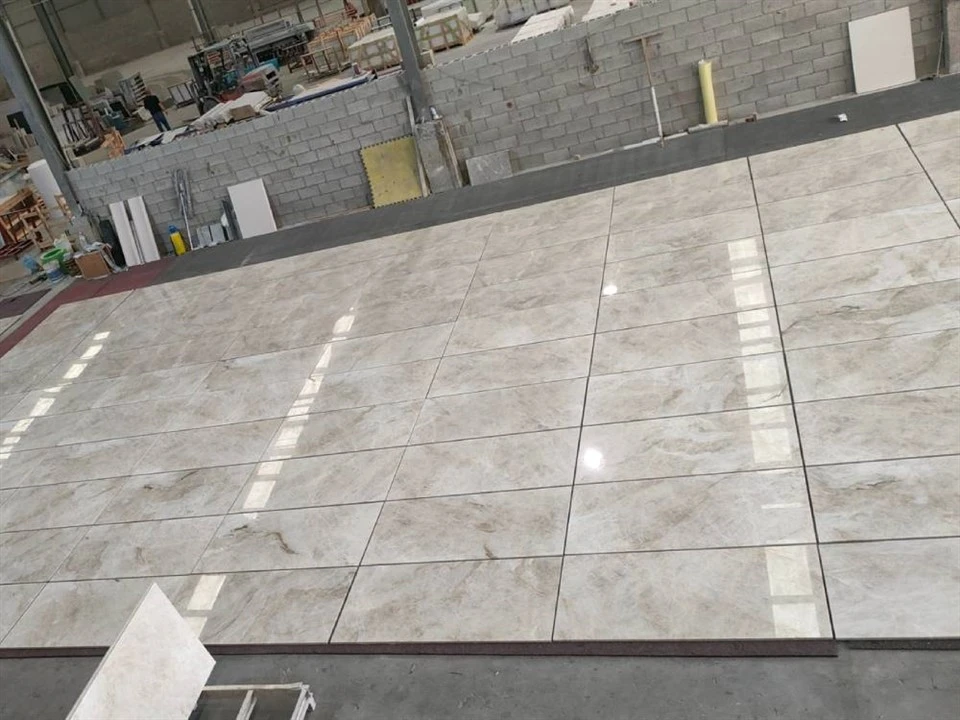
Our Taj Mahal Tile Layout uses natural Taj Mahal quartzite cut into project-sized pieces and arranged together before packing. The warm cream-to-beige background and flowing natural movement remain visible across the complete floor or wall set rather than being judged tile by tile.
Because Taj Mahal is natural quartzite, individual pieces are not expected to look identical. We use the layout stage to review how lighter areas, stronger veins and mineral movement work together across the finished project.
For cut-to-size projects: send us the latest drawing, finished tile dimensions, quantity, thickness and required finish. If color flow or vein direction matters, include the intended installation layout or elevation before cutting is released.

Use the Full Layout to Manage Natural Variation
Taj Mahal quartzite is a quarried natural stone. Background tone, veining, cloudy movement and mineral features can change from one part of the slab to another. A project using many cut pieces therefore needs a different approval method from manufactured quartz.
Warm Background
Review how cream, beige and slightly warmer areas are distributed across the full project set.
Natural Veining
Stronger veins can be positioned so they work with adjacent pieces instead of appearing as isolated visual interruptions.
Piece Relationship
Adjacent tiles can be rotated or rearranged during layout when a better visual transition is possible.
Natural variation is part of Taj Mahal quartzite. The layout process is used to organize that variation, not to make every tile identical.
Define the Tile Specification from the Project Drawing
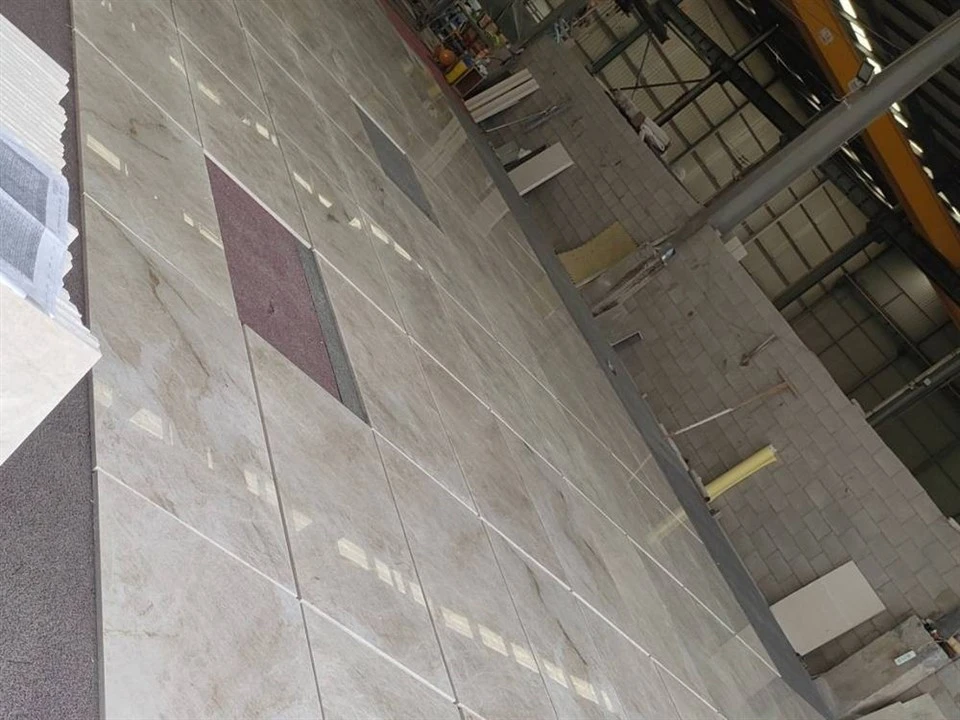
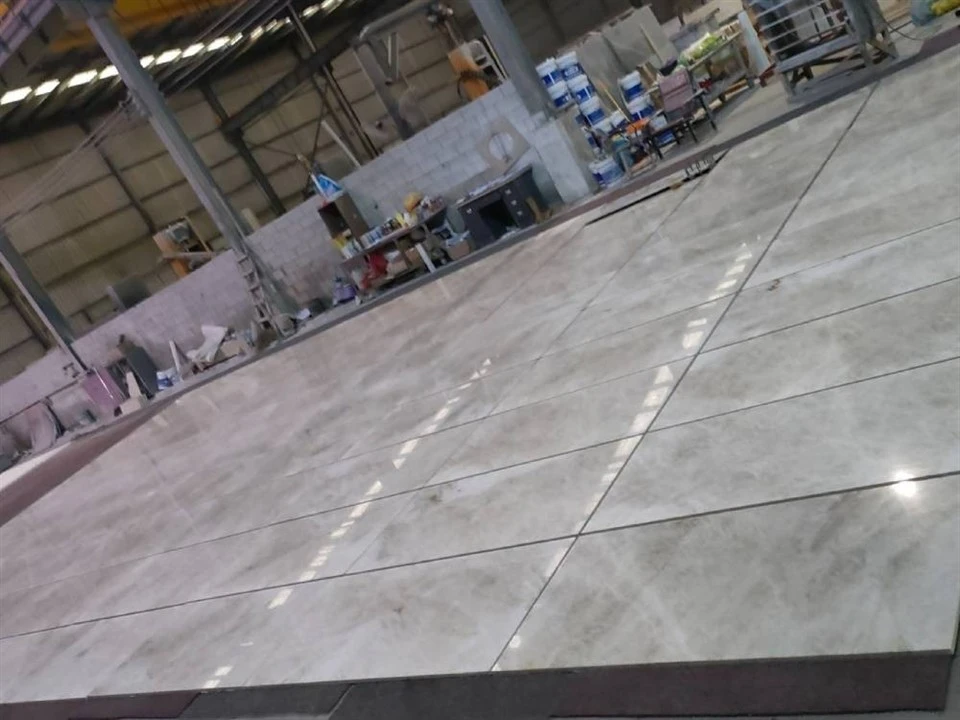
The three current layout sets show polished Taj Mahal quartzite pieces prepared as a coordinated project floor. Exact tile dimensions and thickness should follow the individual order rather than being inferred from photographs.
| Specification | Project Requirement |
|---|---|
| Product | Taj Mahal Tile Layout |
| Material | Natural Taj Mahal Quartzite |
| Color Direction | Warm cream to beige with flowing natural movement |
| Product Form | Cut-to-size tiles or project pieces |
| Finish | Polished finish shown in the current layout set; other finishes should be confirmed for the order |
| Tile Dimensions | Produced according to the approved project schedule or drawing |
| Thickness | Confirm according to the project specification before fabrication |
| Layout Method | Project pieces can be dry laid for visual sequence review before packing |
| Piece Identification | Piece, room, area or drawing references can be coordinated when required |
| Packing | Matched to finished piece dimensions, project grouping and shipment requirements |
See the Complete Installation Relationship Before Shipment
A dry layout places the finished pieces together without mortar or adhesive. For natural stone projects, this allows the complete visual field to be checked before the material is separated into crates.


Review the Entire Surface
The wider view makes it easier to identify abrupt shade changes, dominant veins and areas that may benefit from repositioning.
Keep Cutting, Layout and Installation References Connected
Approve the Taj Mahal Material
Review current slab or lot references and define the acceptable warm background and natural movement.
Release the Tile Schedule
Confirm finished dimensions, quantity, thickness, finish and drawing revision.
Cut and Finish the Pieces
Fabrication follows the approved piece schedule and required visible-edge conditions.
Arrange the Dry Layout
Finished pieces are placed together to review the overall color and vein distribution.
Identify and Pack the Set
Approved tile relationships can be connected to piece codes and packing groups for installation handoff.
Send Enough Information to Build the Tile Layout
- Taj Mahal quartzite material reference
- Latest floor plan or elevation
- Finished tile dimensions
- Required thickness
- Surface finish
- Quantity by area or piece type
- Visible edge requirements
- Preferred vein direction if applicable
- Area or room identification
- Spare-piece requirements
- Destination country or port
Check More Than Color Before Approving the Set
Look at how lighter and warmer pieces move across the full area instead of evaluating individual tiles separately.
Rotate or reposition pieces where natural lines create an abrupt visual stop between adjacent tiles.
Identify tiles with stronger movement and decide whether they belong in focal areas or quieter parts of the installation.
Keep cut edges, border conditions and perimeter references connected to the approved floor or wall plan.
Piece codes or area references can preserve the intended relationship when the layout is separated for packing.
Use Taj Mahal Tile Layout for Large Coordinated Stone Areas
Lobby Floors
Large visible floor areas benefit from reviewing shade transitions and stronger natural movement before installation.
Villa Flooring
Room-by-room tile grouping can help preserve the intended visual balance across connected interior spaces.
Reception Areas
Dry layout is useful where a polished natural surface remains highly visible to visitors and occupants.
Wall Panels
Panel sequence and natural movement can be reviewed against the elevation before the pieces are packed.
Mixed Tile Sizes
Different project dimensions can be organized according to an approved plan when the design uses more than one piece format.
Architectural Packages
Tiles can be combined with other drawing-based Taj Mahal pieces when the project requires a coordinated natural-stone package.
Approve Taj Mahal as Natural Quartzite, Not Engineered Quartz
Taj Mahal used for this tile layout is natural quartzite. Its warm background, veins and mineral movement originate from the quarried stone and will vary across slabs and cut pieces.
Engineered quartz follows a manufactured color and pattern specification. The two materials should therefore use different visual approval and layout rules.
Use the Latest Project Revision for Piece Identification
Our project workflow can connect finished pieces with piece, room, elevation, set or crate references when those identification requirements are agreed before packing.
For tile projects, this means the dry-layout sequence can remain useful after the material leaves the factory instead of becoming only a temporary inspection arrangement.
Preserve the Approved Layout When the Tiles Enter Crates
Once a tile layout is approved, packing should preserve enough identification for the project team to understand which pieces belong together. The exact crate method depends on tile dimensions, thickness, quantity and shipment requirements.
Identify Individual Pieces
Coding can connect each tile to the approved layout or drawing where the installation sequence matters.
Separate Rooms or Zones
Project areas can be grouped when several rooms, floors or elevations are included in one shipment.
Match the Shipment Record
Piece and crate references should remain consistent with the agreed project documentation.
Taj Mahal Tile Layout FAQ
The material is natural Taj Mahal quartzite with a warm cream-to-beige background and natural flowing movement. It should not be confused with manufactured engineered quartz.
Dry layout allows the finished pieces to be viewed together so shade transitions, vein direction and the relationship between adjacent tiles can be reviewed before packing.
No. Taj Mahal quartzite is natural stone, so background tone, veining and mineral movement vary between pieces. The layout process is used to organize this natural variation.
Yes. We can review cut-to-size pieces from the approved project drawing or tile schedule. Send the required dimensions, thickness, finish and quantities for quotation.
Piece, room, area, elevation, set or crate references can be coordinated when the identification method is included in the approved project scope.
Send the Taj Mahal material reference, latest drawing, tile dimensions, thickness, finish, quantities, visible-edge requirements, layout or vein preferences, area codes, spare-piece needs, packing requirements and destination.
Send the Tile Schedule Before We Build the Dry Layout
Send us the floor plan or elevation, Taj Mahal quartzite reference, finished tile dimensions, thickness, finish, quantity and destination. If the installation requires visual sequencing, include the area codes and preferred stone movement so the layout can be reviewed before packing.
Hot Tags: Taj Mahal tile layout, Taj Mahal quartzite tiles, Taj Mahal dry lay, quartzite tile layout, Taj Mahal cut to size, natural quartzite tiles, Taj Mahal quartzite supplier
Previous
Taj Mahal Quartzite SlabsSend Inquiry


