
Custom Tombstone Design: Materials and Craftsmanship Guide
Nov 14, 2025
Leave a message
Designing a custom tombstone is never a simple purchase-it's a decision shaped by memory, culture, and the desire to leave something meaningful and lasting. Families today care not only about durability, but also about subtle craftsmanship details that carry emotional weight. This guide walks through the materials most commonly used in custom tombstones and the craftsmanship choices that make each memorial unique.
1. Choosing the Right Stone: What Each Material Brings
Granite: Durable, Versatile, and Timeless
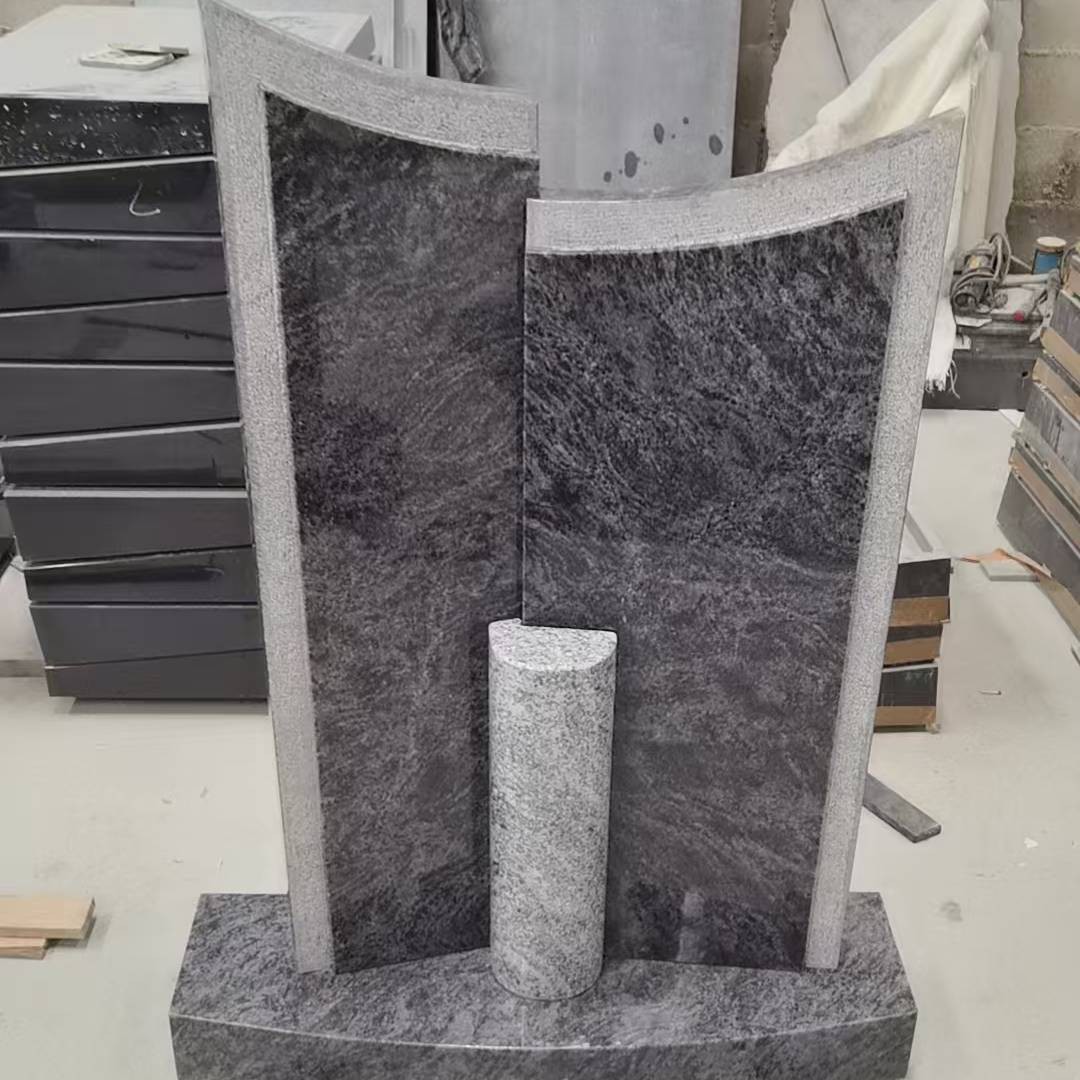
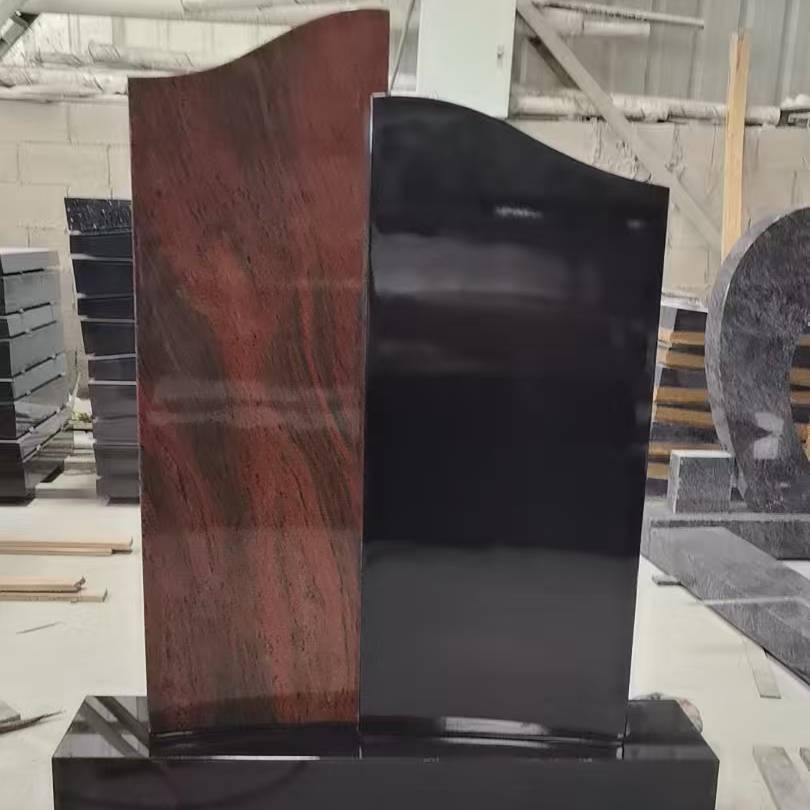
Granite remains the most widely used material for custom monuments. Its hardness protects inscriptions from wind, rain, and decades of sunlight. Because granite comes in a wide range of natural colors-black, grey, blue, red-families can select a tone that matches regional traditions or personal preference. Polishing also influences the character of the stone: a high gloss finish gives a formal feel, while a honed or matte finish feels more understated.
Marble: Soft Elegance with a Classic Look
Marble is valued for its refined veining and gentle color palette. It suits designs where a softer aesthetic is desired. While marble isn't as weather-resistant as granite, it remains popular for upright monuments, sculptures, and locations where the environment is relatively mild. What marble lacks in hardness, it makes up for in detail-craftsmen can carve more intricate patterns, drapery, or religious motifs.
Basalt and Other Dark Stones
For families drawn to a strong, minimalist style, basalt provides a uniform dark tone that stands out without ornament. Its natural texture pairs well with clean lines, deep engravings, and modern memorial designs. Basalt also ages gracefully, making it a choice for those who prefer subtle character over bright polish.
2. Types of Craftsmanship That Shape the Final Look
Hand-Carving: Character in Every Line
Hand-carved details carry a depth and individuality that machines cannot fully replicate. Floral borders, portraits, symbolic motifs, and traditional patterns often feel more personal when shaped by hand. Skilled artisans bring nuances to each stroke, giving the memorial a warmth that many families appreciate.
Machine Etching for Precision
Laser or mechanical etching works well for photographs, realistic portraits, or complex patterns that require consistency. Modern engraving technology allows for extremely fine detail, especially on dark granite where contrast is strongest. Combining machine precision with hand finishing often produces the most balanced result.
Surface Finishes That Change the Tone of the Design
- Polished: Creates a mirror-like surface; ideal for formal designs and dark stones.
- Honed: Smooth but not reflective; gives a calm, modern look.
- Flamed or Bush-hammered: Textured surfaces that feel rustic and natural.
- Mixing finishes on one piece-like a polished inscription area with textured sides-adds depth without making the design too busy.
3. Structural Considerations: Making Sure It Lasts
A well-designed memorial must balance aesthetics with structural stability.
- Stone thickness: Prevents cracking or warping over years of seasonal change.
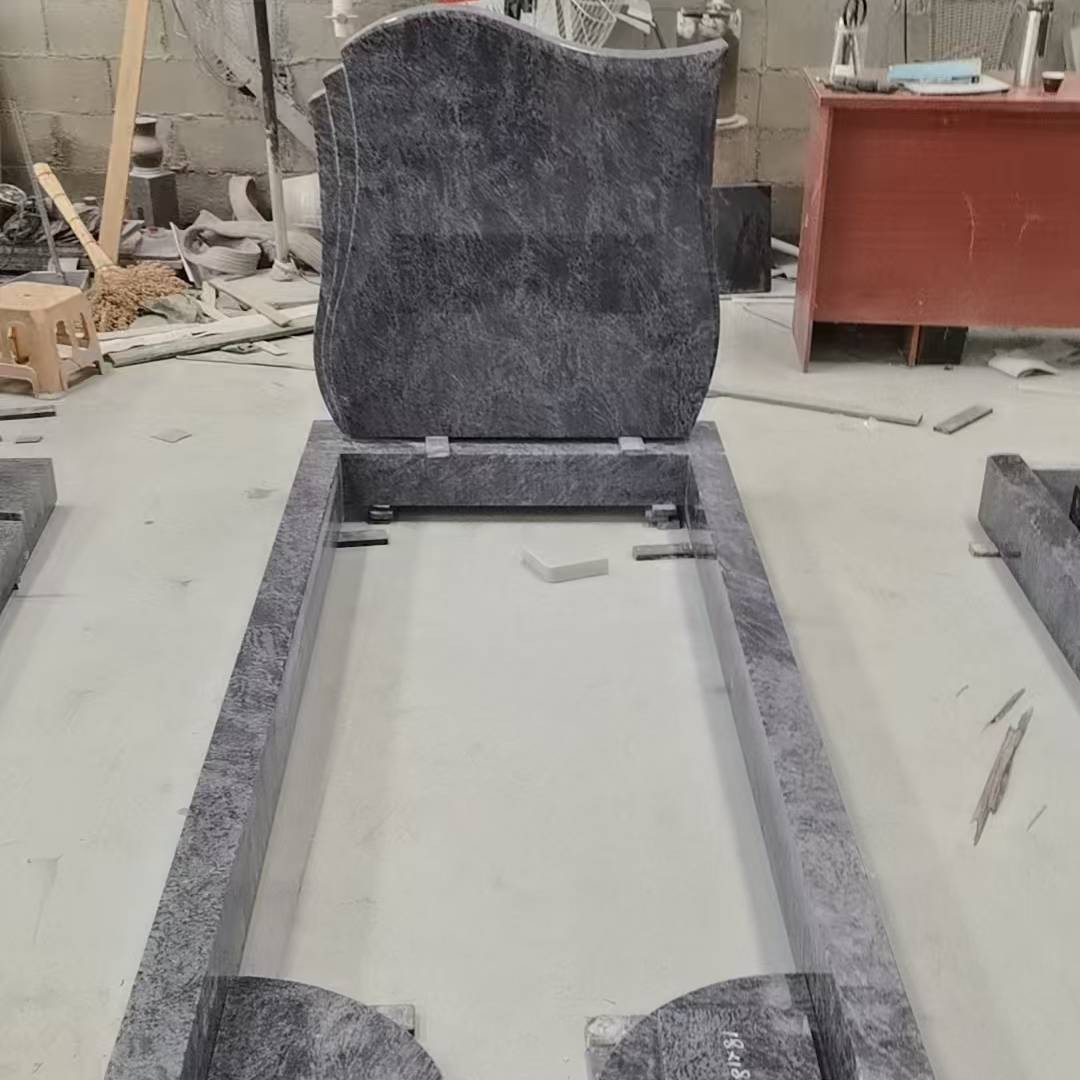
- Foundation: Essential for upright monuments; prevents leaning or sinking.
- Weather conditions: Humid, coastal, or snowy areas influence which materials wear best.
Craftsmen familiar with international cemetery standards can guide families on the ideal structure for long-term stability.
4. Personalization That Makes a Memorial Meaningful
Beyond the stone itself, customization brings life to the design:
- Font styles that reflect personality-traditional serif, script, or clean contemporary lettering
- Symbolic carvings such as religious emblems, nature motifs, or cultural patterns
- Portraits or photo plaques for families who prefer a more direct representation
- Custom shapes, from simple rectangles to book-style monuments, hearts, or sculptural forms
These elements transform a tombstone from a standard marker into a piece that genuinely reflects a person's story.
5. Working With a Reliable Stone Supplier or Craft Studio
Quality varies widely between factories. A strong supplier typically:
- Sources stone from stable, reputable quarries
- Cuts and polishes in-house, ensuring consistent texture and color
- Employs experienced carvers rather than relying solely on machines
- Provides samples or mock-ups for approval
- Understands export standards for different regions
For families overseas, clear communication about size, weight, color tolerance, and engraving details ensures the finished piece matches expectations.
Custom tombstone design is a blend of material, craftsmanship, and sentiment. Whether you choose the strength of granite, the elegance of marble, or the depth of basalt, the goal remains the same-to create a memorial that honors a life with dignity and enduring beauty. With careful material choices and thoughtful craftsmanship, the result becomes more than a marker: it becomes a lasting tribute.