

French Style vs Polish Style Tombstones: Material and Design Differences
Apr 01, 2026
Leave a message
Engineering and Procurement: Decoding French vs. Polish Style Tombstones
When wholesale distributors evaluate European memorial markets, treating French vs. Polish style tombstones as mere aesthetic variations is a critical procurement error. These two distinct memorial traditions require entirely different raw block yields, CNC machining setups, and heavy-cargo logistics.
For B2B stone importers, understanding the underlying structural architecture and fabrication tolerances of these monuments is the only way to prevent costly job-site rejections, ensure structural longevity, and maintain profitable margins across international supply chains. Here is the technical breakdown of manufacturing French versus Polish monuments.
Structural Architecture: Multi-Component Assembly vs. Massive Ledgers
The fundamental difference between these two styles lies in their engineering blueprint and load distribution.
The French "Caveau" System
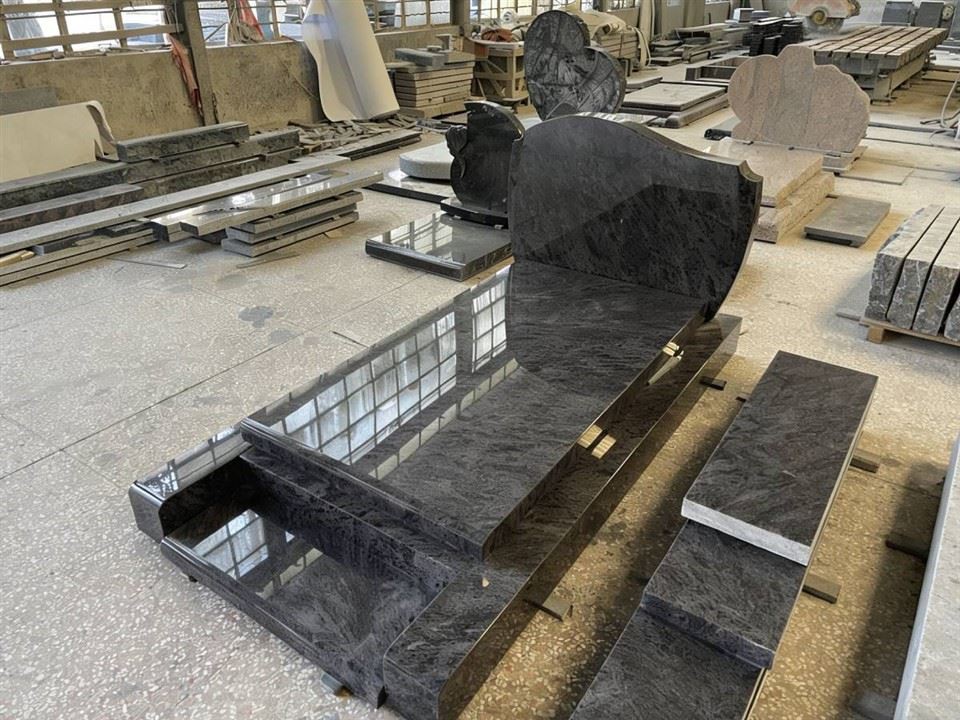
French monuments are highly architectural, multi-component assemblies designed to cover a family vault (caveau). A standard French set typically consists of the stèle (upright headstone), the tombale (the flat ledger covering the grave), and the soubassement (a multi-piece raised base or kerb set).
- Fabrication Challenge: Because the French design relies on multiple interlocking granite pieces, the factory must maintain zero-gap tolerances. If the CNC bridge saw is miscalibrated by even 1mm, the tombale will not sit flush against the soubassement, creating a visible gap that European cemetery authorities will instantly reject.
The Polish Monumental Slab
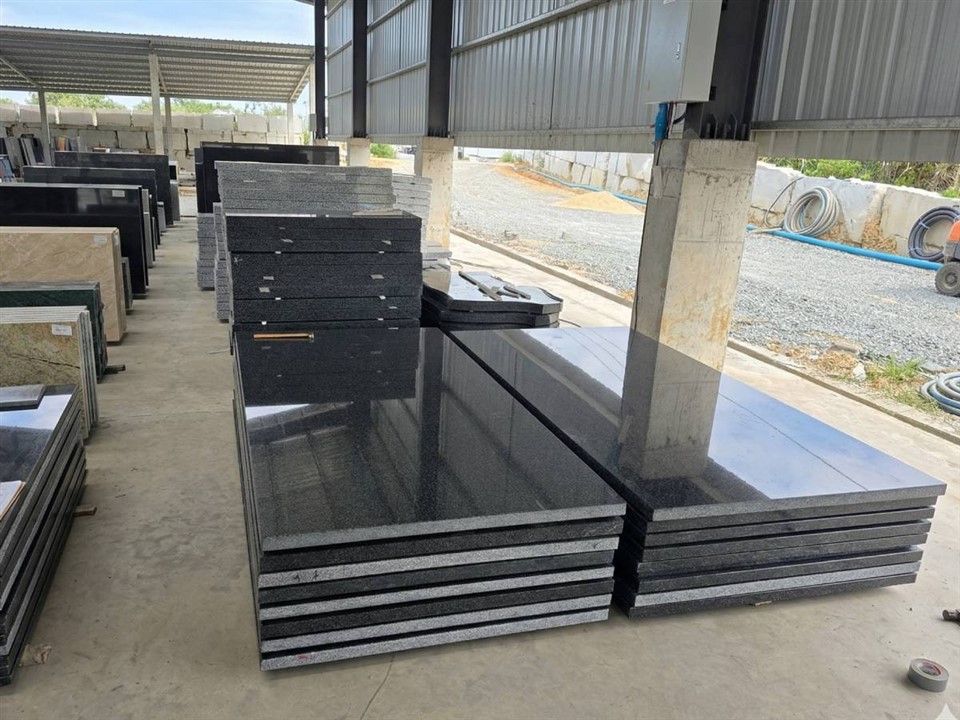
Polish tombstones are characterized by their massive, dominating horizontal presence. Instead of complex, multi-tiered kerb sets, Polish designs favor thick, heavy single or double covering slabs (often spanning the entire grave plot) combined with a sturdy, wider upright stela.
- Fabrication Challenge: The sheer size and weight of Polish ledgers demand perfect thickness calibration. Slicing these massive slabs requires specialized gang saws. If the slab is unevenly calibrated, the massive weight of the stone will cause it to crack under its own tension once placed on the cemetery foundation.
Our products

Material Selection and Crystalline Density Requirements
Aesthetic preferences in these regions directly dictate the petrological requirements of the raw blocks sourced by the factory.
- French Market Preferences: French buyers lean heavily toward elegant, uniform, and classic tones-such as Orion Blue, absolute blacks, and fine-grained greys (like Cambodia Grey). Because French headstones frequently feature intricate Ogee edges, elaborate chamfering, and delicate carved motifs, procurement managers must specify fine-grained monument granite. Coarse-grained stones will spall or fracture when subjected to the high-speed torque of 5-axis CNC router bits during intricate edge profiling.
- Polish Market Preferences: The Polish market heavily favors high-contrast, dramatic aesthetics. It is highly common to see two-tone granite tombstones, where a deep black stela is integrated with a lighter grey or red ledger base. When manufacturing two-tone Polish monuments, the factory must scientifically match the thermal expansion coefficients of the two different stones. In the harsh freezing conditions of Eastern European winters, mismatched stones will expand at different rates, shearing the epoxy joints and destroying the monument.
Export Logistics: Crating the Final Product
The structural differences between French and Polish tombstones completely alter how they must be packaged for international FCL (Full Container Load) shipping.
- Packaging French Sets: Due to the high number of individual, highly polished components (bases, sub-bases, ledgers), French sets are highly susceptible to scratch damage and edge chipping during transit. They must be packaged face-to-face with high-density PE foam isolators and slotted vertically into tight ISPM-15 fumigated crates to prevent any lateral movement during ocean freight.
- Packaging Polish Slabs: The massive Polish ledger slabs present a severe weight distribution challenge. These cannot simply be stacked flat, as the sheer dead weight will crack the bottom slabs when the container bounces on a highway chassis. They must be loaded onto heavy-duty, center-weighted wooden A-frames. Cross-wire bracing must be deployed to tie the load directly to the container floor, preventing the massive slabs from tipping and causing a catastrophic container rollover.
By partnering with a direct manufacturer that understands these profound structural and logistical differences, European distributors can eliminate supply chain guesswork, reduce installation labor, and deliver flawless memorials to their local markets.