

How to Combine Marble and Mosaic for Elegant Interior Walls
Nov 17, 2025
Leave a message
Combining marble and mosaic tiles has become a popular design approach for interior walls in high-end homes, hotels, and commercial spaces. When done correctly, this pairing can create luxurious, textured surfaces that feel both timeless and contemporary. However, achieving harmony between the two materials requires careful planning, attention to color, scale, and pattern, as well as understanding the technical aspects of installation.
1. Choosing the Right Marble
Not all marble works well with mosaic tiles. Consider the following:
- Color and tone: Select marble with subtle veining if you plan to use detailed or colorful mosaics. A busy marble pattern may compete with intricate mosaic designs.
- Finish: Polished marble reflects light and can make small spaces feel larger, while honed or matte finishes offer a softer, understated look.
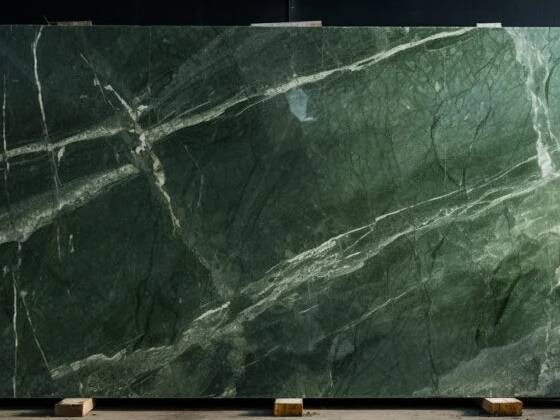
- Size: Large-format marble slabs reduce visual breaks and make mosaics stand out as accent areas rather than blending into fragmented surfaces.
For example, light Carrara marble with soft gray veining pairs beautifully with gold, glass, or stone mosaic inserts.
2. Selecting Mosaic Tiles
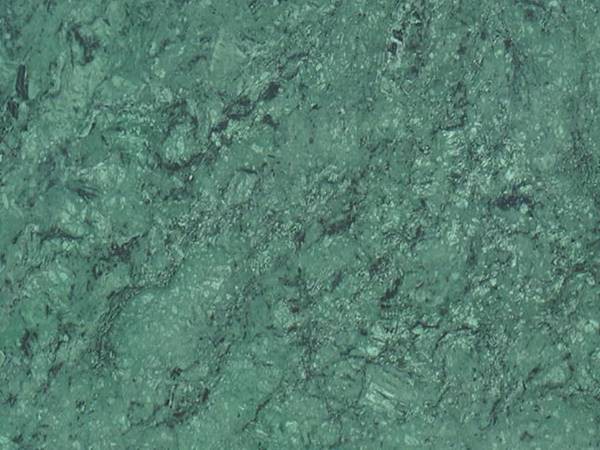
Mosaics come in many materials-glass, ceramic, metal, stone-and can be used to emphasize architectural features or create decorative borders.
- Color coordination: Choose mosaic tones that complement the marble. Neutral mosaics blend seamlessly, while metallic or jewel-toned mosaics add contrast and luxury.
- Scale matters: Small mosaic tiles (1x1 inch or 2x2 inch) work well as borders or backsplashes, while larger tiles can define focal walls.
- Pattern design: Geometric, herringbone, or arabesque mosaics can add visual interest without overwhelming the marble's natural beauty.
3. Design Approaches for Interior Walls
Here are some practical ways to combine marble and mosaics:
- Accent walls: Use marble slabs as the main background and create mosaic inlays in vertical panels, niches, or around fireplaces.
- Borders and trims: Mosaic strips can frame marble walls, highlighting edges and transitions between rooms.
- Full mosaic integration: In bathrooms or hotel lobbies, combine smaller marble tiles with complementary mosaic patterns to create a textured, 3D effect.

4. Installation Considerations
Correct installation is critical for both aesthetics and durability:
- Surface preparation: Ensure walls are level, clean, and properly primed for adhesive.
- Consistent grout lines: Use contrasting grout to highlight mosaic patterns or matching grout to maintain a seamless look.
- Sealing: Marble and natural stone mosaics require sealing to prevent staining and make cleaning easier.
- Professional craftsmanship: Combining marble and mosaic often requires a skilled installer, especially for large panels or intricate patterns.
5. Balancing Style and Function
- Lighting: Polished marble and reflective mosaics amplify natural and artificial light, creating a brighter and more elegant space.
- Maintenance: Dark mosaics may show dust, while light marble can stain if unsealed. Consider traffic and usage when selecting materials.
- Texture balance: Mixing smooth marble with textured mosaics can add depth, but too much variation may appear busy-test samples together before final installation.
When thoughtfully combined, marble and mosaic tiles can transform interior walls into luxurious, sophisticated spaces. The key is balance: selecting complementary colors, scales, and finishes, while ensuring professional installation for long-lasting results.
Whether you are designing a residential kitchen backsplash, hotel lobby feature wall, or high-end bathroom, pairing marble with mosaics allows architects and designers to create spaces that are both elegant and visually dynamic.