

How Cemetery Regulations Affect Tombstone Design
Mar 11, 2026
Leave a message
Designing a tombstone involves more than selecting a beautiful stone or engraving a meaningful inscription. In many countries, cemeteries enforce strict regulations that determine the acceptable size, structure, and installation method of memorials. These rules exist to maintain visual consistency, ensure safety, and simplify long-term cemetery maintenance.
For memorial suppliers and buyers, understanding cemetery tombstone requirements is essential before starting a custom tombstone design project. Failure to comply with local regulations can lead to design revisions, installation delays, or even rejection by cemetery authorities.
Why Cemetery Regulations Exist
Cemetery regulations are typically established by cemetery management organizations, municipal authorities, or religious institutions. Their purpose is to maintain a respectful and organized memorial environment.
Common regulatory objectives include:
- Maintaining uniform appearance across memorial sections
- Preventing oversized or unstable monuments
- Ensuring safe installation practices
- Simplifying landscape maintenance such as mowing and landscaping
Because these rules vary by region, tombstone designs must often be adapted to the requirements of each specific cemetery.
Height and Thickness Requirements
One of the most common restrictions involves the physical dimensions of the tombstone.
Many cemeteries specify maximum and minimum limits for monument height, width, and thickness. These limits help maintain visual harmony and ensure the structure remains stable over time.
Typical requirements may include:
- Maximum monument height to prevent large structures overshadowing nearby graves
- Minimum stone thickness to guarantee durability and structural safety
- Standard base dimensions for upright monuments
For example, some cemeteries only allow upright monuments up to a certain height, while others require flat or lawn-level markers.
During the custom tombstone design stage, suppliers must confirm these specifications to ensure the final memorial complies with cemetery guidelines.
Installation and Foundation Standards
Beyond size limitations, cemeteries also regulate how tombstones must be installed.
Proper installation is critical because memorials are exposed to outdoor conditions for decades. Poor installation can lead to tilting, cracking, or safety hazards.
Typical installation regulations include:
- Concrete foundation requirements for upright monuments
- Anchoring systems to prevent movement
- Base thickness and support structures
- Spacing rules between adjacent graves
These standards ensure that tombstones remain stable and aligned within the cemetery layout.
Professional manufacturers often coordinate with installers or distributors to confirm installation specifications before production begins.
Our Products
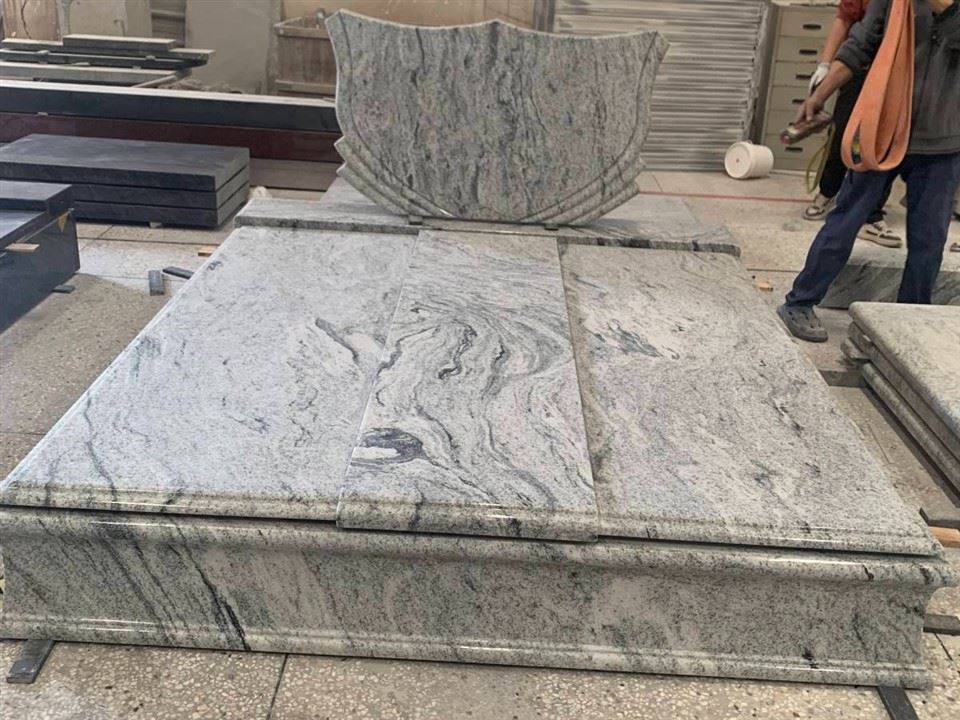
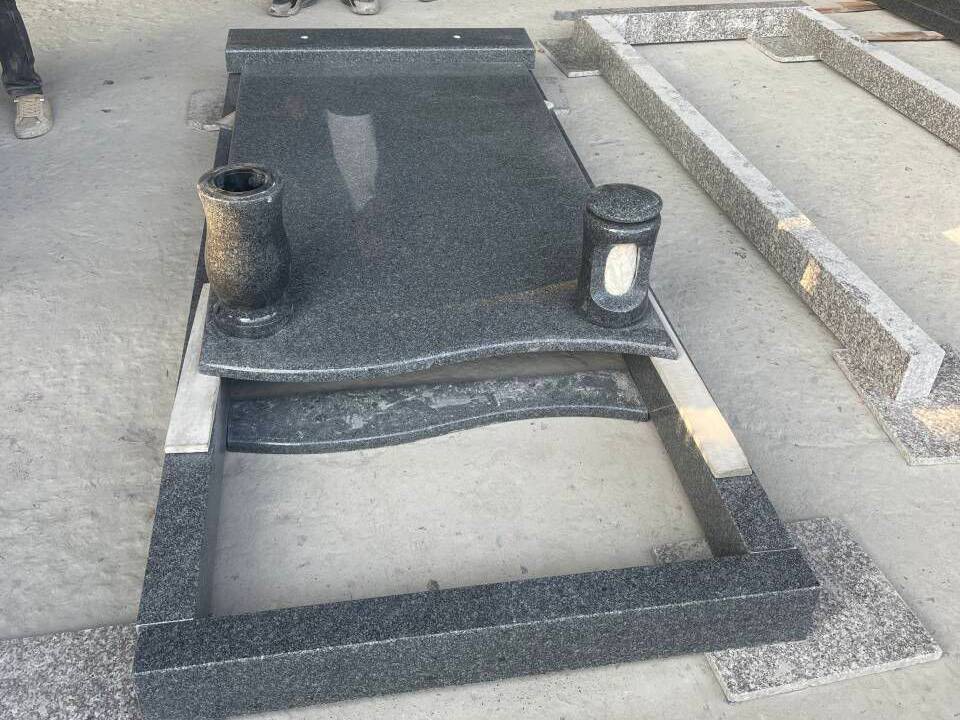

Differences Between Regional Markets
Cemetery rules can vary significantly between countries and regions.
North America
In the United States and Canada, many cemeteries use lawn memorial systems where flat markers are installed flush with the ground. Upright monuments are permitted in designated sections but must follow strict height and base guidelines.
Europe
European cemeteries often allow more artistic freedom in monument design, but still regulate maximum dimensions and structural safety.
Southeast Asia and the Middle East
Some regions permit larger monuments or family memorial structures, but still require compliance with cemetery layout and foundation standards.
Because of these variations, manufacturers must design tombstones that match the specific regulatory environment of the destination market.
Custom Manufacturing with International Compliance
Many memorial suppliers offer custom tombstone design services to adapt monuments to different cemetery standards.
Manufacturing in China allows factories to produce customized memorials based on overseas specifications. Experienced production teams can adjust:
- Monument dimensions
- Base and foundation structures
- Engraving layout and inscription space
- Stone thickness and reinforcement
This flexibility allows international buyers to receive memorials that meet the regulatory requirements of their local cemeteries.
Avoiding Common Compliance Problems
Buyers can reduce project risk by addressing cemetery regulations early in the design process.
Recommended best practices include:
- Confirm cemetery rules before approving final designs
- Provide suppliers with official dimension guidelines
- Verify installation requirements and foundation details
- Approve drawings before production begins
Taking these steps helps prevent costly redesigns or shipping delays.
Cemetery regulations play a major role in shaping tombstone design. Height limits, thickness standards, and installation requirements all influence how a memorial must be manufactured.
For international buyers and memorial distributors, understanding cemetery tombstone requirements ensures that each custom tombstone design complies with local cemetery standards. By coordinating design specifications with experienced manufacturers, buyers can achieve both regulatory compliance and meaningful memorial aesthetics.