

Characteristics of marble
Jan 08, 2024
Leave a message
Marble is a popular building material that is commonly used for flooring, countertops, wall tiles, and various decorative applications. One of the key advantages of marble is its excellent heat resistance properties. This is because marble is a naturally occurring stone that is formed by heat and pressure deep within the earth's crust.
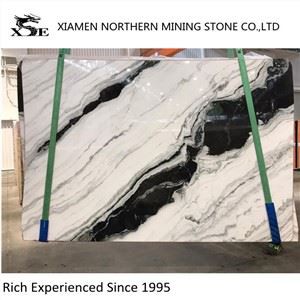
Marble is an excellent conductor of heat, which means that it can absorb and dissipate heat quickly and efficiently. This makes it an ideal material for use in areas that are prone to high temperatures, such as kitchens, fireplaces, and outdoor patios. Marble can withstand extreme temperatures without cracking or warping, which makes it a durable and long-lasting choice for heat-resistant applications.
In addition to its heat resistance properties, marble also offers a natural beauty and elegance that is unmatched by other building materials. Its unique veining patterns, colors, and textures make it a popular choice for high-end applications such as luxury hotels, high-end residential projects, and prestigious commercial buildings.
For architects, designers, and builders, choosing marble for heat-resistant applications can provide a wide range of benefits. From its excellent heat resistance properties to its natural beauty and durability, marble is a versatile and valuable material that can add value and sophistication to any project. As the demand for high-quality, heat-resistant building materials continues to grow, marble will remain a top choice for discerning clients and builders alike.