

TCO Analysis: Wholesale Pure White Quartz vs. Level 1 Granite
Jun 03, 2026
Leave a message
Total Cost of Ownership (TCO) Perspective in Commercial Kitchen Countertop Selection
When developers and general contractors evaluate materials for commercial real estate, the focus is frequently isolated to CapEx (Capital Expenditure)-the initial procurement cost per square foot. However, ignoring OpEx (Operational Expenditure) over the lifecycle of a property creates a severely distorted financial model. Total Cost of Ownership (TCO) accounts for material costs, installation, ongoing maintenance, repair, and inevitable replacement over a 10-to-15-year holding period. For commercial buyers sourcing directly from Xiamen Stone Epic Co., Ltd., understanding the profound TCO differences between natural stone and engineered surfaces is the most critical step in protecting the long-term profitability of multi-family quartz countertops and hospitality installations.
The Upfront Investment and Maintenance-Free Dominance of Wholesale Pure White Quartz
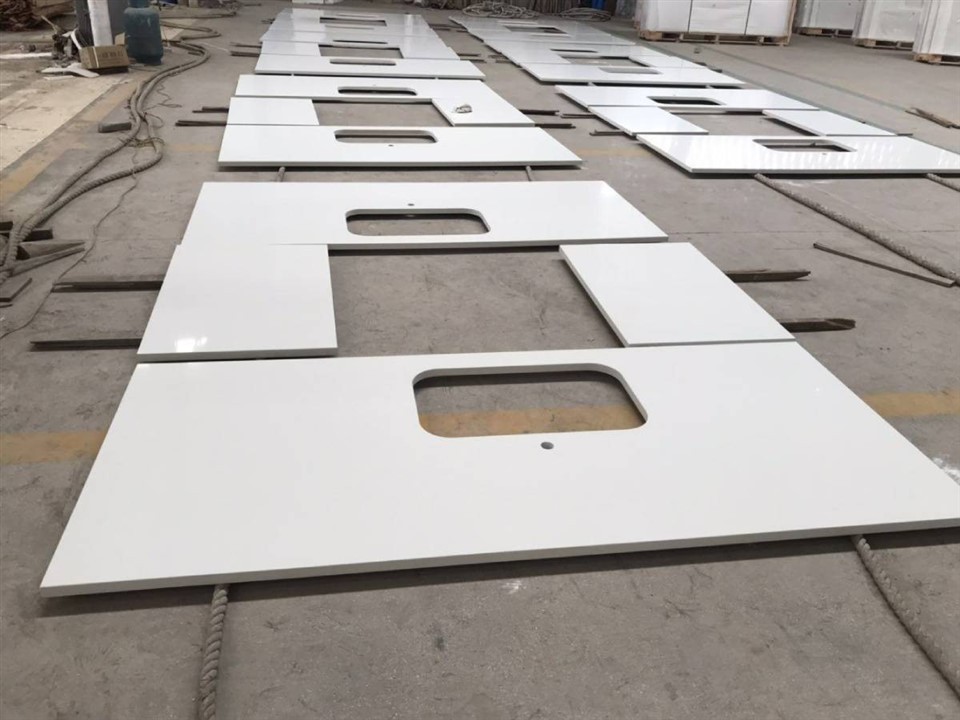
Engineered stone undeniably requires a higher initial capital outlay compared to entry-level natural materials. However, the long-term financial superiority of wholesale pure white quartz lies entirely in its engineered physical properties. Manufactured through a rigorous vacuum vibro-compaction process at our In Quartz Stone SDN.BHD facility in Malaysia, this material combines up to 93% natural quartz aggregates with advanced polymer resins.
The resulting structure is strictly non-porous. In a high-turnover commercial or rental environment, this translates to zero vulnerability to common kitchen acids like wine, coffee, or citrus. Property management teams never need to schedule or budget for resealing. More importantly, the risk of permanent deep staining-which typically forces a complete and costly countertop replacement-is virtually eliminated, driving the long-term TCO down significantly.
Level 1 Granite: Low Initial CapEx vs. Cumulative Sealing and Maintenance Costs
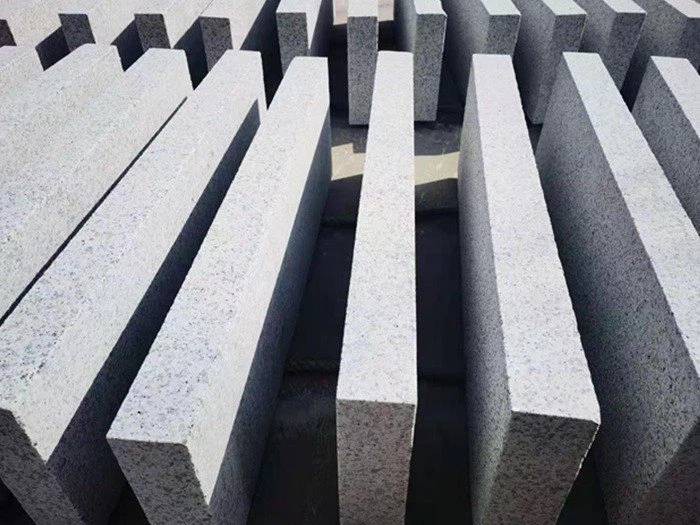
Level 1 commercial granites, such as Santa Cecilia Light or Ubatuba, are highly attractive during the initial procurement phase due to their low block cost and high fabrication yield. Yet, all natural granites possess a naturally occurring capillary network. This inherent micro-porosity is a structural liability in rental units.
To prevent moisture absorption and bacterial growth, natural granite demands the regular application of industrial-grade penetrating sealers. Over a decade, the recurring cost of purchasing professional sealers, combined with the expensive labor required to apply them properly between tenant turnovers, drastically inflates the actual cost of the countertop. Furthermore, if a tenant neglects daily spills, the resulting stains can cause the TCO of Level 1 granite to surpass that of engineered stone within just five to seven years.
Procurement Matrix: Strategic Sourcing for Class A vs. Class C Apartments
Material specification must align strictly with the asset class and operating budget of the property. For Class A luxury apartments, high tenant expectations and premium rental yields easily justify the immediate specification of wholesale pure white quartz. The flawless aesthetic and zero-maintenance profile directly support high lease rates and reduce tenant complaints.
Conversely, for Class C properties where initial budget constraints are rigid, Level 1 granite remains a viable option, provided the property management team has a strict, well-funded maintenance protocol in place. As a fully integrated quartz slab factory, Xiamen Stone Epic Co., Ltd., operating in tandem with our Malaysian production base In Quartz Stone SDN.BHD, provides both solutions to the US market. Whether you require maintenance-free multi-family quartz countertops or budget-aligned commercial granite, executing your procurement strategy based on realistic TCO projections is the only reliable way to safeguard your real estate investment.