

Why Granite Finishing Quality Matters in Commercial Projects
Feb 26, 2026
Leave a message
In commercial construction, material performance is measured not just by strength or appearance, but by consistency, durability, and installation reliability. Granite has long been a preferred choice for flooring, wall cladding, lobbies, and public spaces due to its hardness and visual depth. However, what many project buyers overlook is that the finishing quality of granite often determines whether a project looks premium-or problematic.
Even high-grade raw stone can underperform if surface processing is inconsistent or poorly controlled. For architects, contractors, and procurement teams, understanding how finishing affects performance is essential for avoiding costly rework and maintaining design standards.
Surface Finish Determines Performance and Appearance
Granite finishing is more than a cosmetic step. It directly affects how the material behaves in real-world environments. Different finishing techniques produce different functional properties:
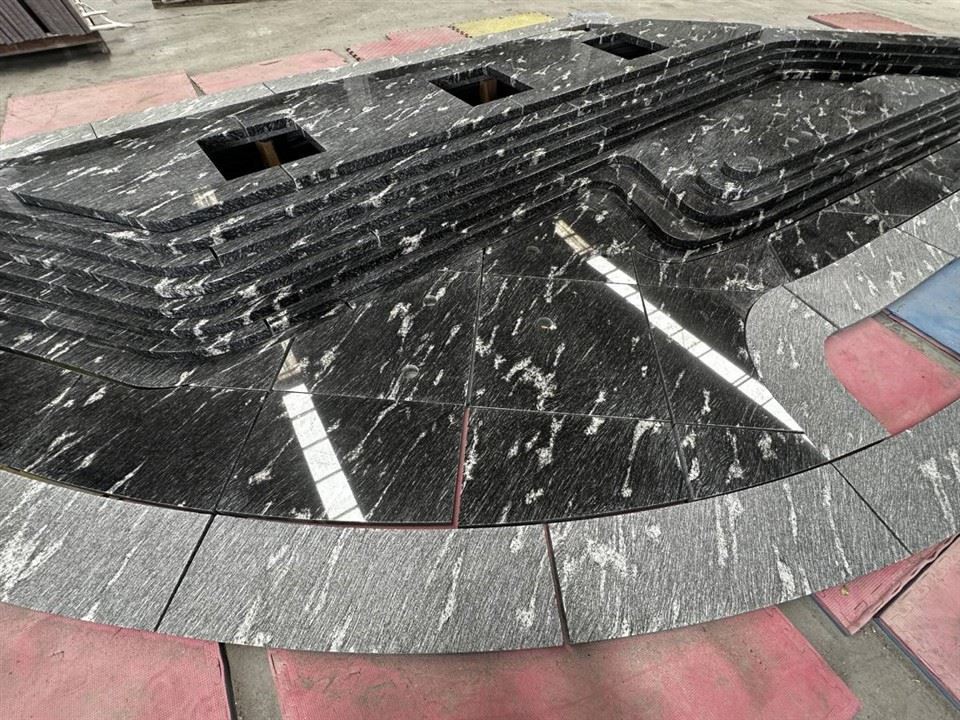
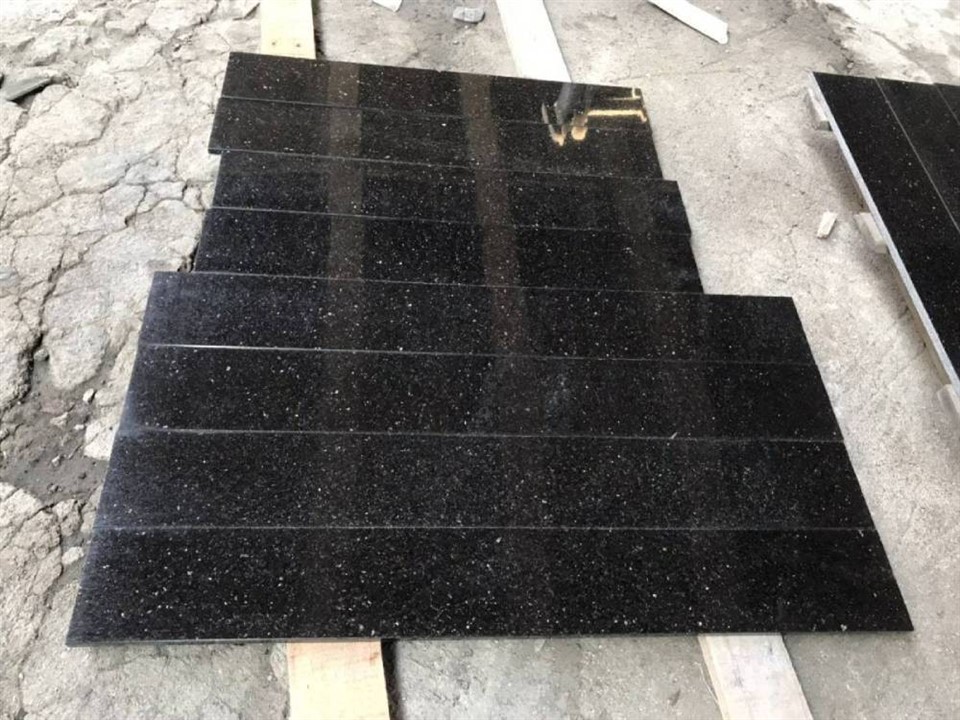
- Polished finishes enhance color depth and reflectivity, ideal for interiors and reception areas
- Honed finishes reduce glare and improve slip resistance
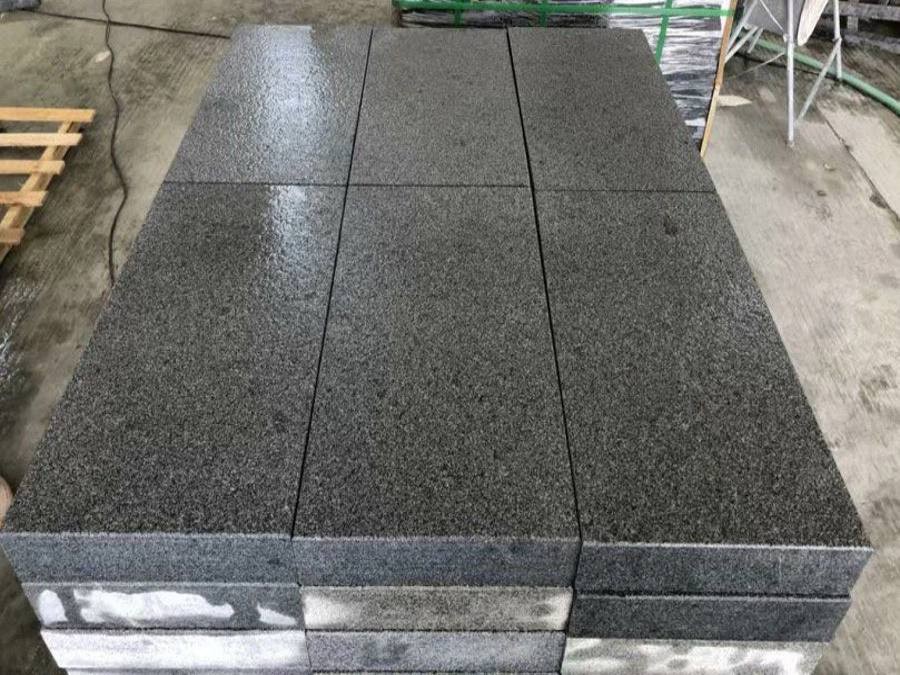
- Flamed or textured finishes increase traction for outdoor or high-traffic zones
When finish quality is poor, even a polished slab can appear dull, uneven, or cloudy. In commercial projects where lighting and large surface areas amplify visual flaws, finishing inconsistencies become highly visible.
High-quality polished granite slabs should exhibit uniform gloss levels, consistent reflection, and smooth tactile feel across the entire surface. These characteristics indicate proper grinding sequences and controlled polishing pressure during production.
Project Consistency Across Large Quantities
Commercial developments typically require granite in large volumes. Unlike small residential installations, projects such as malls, office towers, or transportation hubs demand hundreds of slabs with identical appearance and dimensions.
If finishing standards vary between production batches, the result can include:
- Visible shade variation under lighting
- Uneven gloss levels between adjacent slabs
- Inconsistent edge polishing
- Differences in surface texture
Such inconsistencies disrupt visual continuity and may force contractors to sort, replace, or reposition slabs-delaying installation schedules and increasing labor costs.
Reliable finishing quality ensures that every slab matches approved samples, which is critical for projects using standardized layouts or repeating design modules.
Precision Finishing Reduces Installation Issues
Poor finishing doesn't just affect aesthetics-it can also create installation complications. Granite surfaces that are not properly calibrated or polished may have:
- Slight thickness variations
- Micro-warping
- Uneven edges
These small deviations can cause alignment issues during installation, requiring additional adjustments or fillers. High-quality finishing processes include precision calibration and multi-stage polishing, ensuring slabs remain dimensionally stable and ready for installation.
For contractors, consistent slab flatness and edge accuracy significantly reduce fitting time and improve installation efficiency.
Durability Depends on Proper Surface Processing
Granite is naturally durable, but finishing quality influences how well it performs over time. Inadequate polishing can leave microscopic surface pores open, which may lead to:
- Increased staining risk
- Moisture penetration
- Faster wear in high-traffic areas
Professional finishing closes these micro-pores through progressive abrasive refinement, creating a denser surface that resists dirt, liquids, and abrasion. This is particularly important in commercial spaces such as airports, retail centers, and office lobbies where surfaces must withstand constant use.
Lighting Conditions Expose Finishing Flaws
Commercial environments often use strong artificial lighting, including spotlights, directional lighting, and reflective architectural elements. These lighting conditions amplify surface imperfections that might not be visible under natural light.
Common finishing defects that become obvious under project lighting include:
- Swirl marks from polishing pads
- Uneven gloss patches
- Residual grinding lines
- Shadowing across slab surfaces
High-end finishing processes include inspection under angled lighting specifically to detect these flaws before shipment. This level of quality control is essential for projects where appearance standards are strict.
Quality Control During Production
Consistent granite finishing quality depends on systematic inspection throughout production rather than only final checks. Reliable suppliers typically implement:
- Thickness calibration checks
- Gloss meter measurements
- Surface flatness testing
- Edge profile inspection
- Visual review under strong lighting
These procedures ensure slabs meet both dimensional and aesthetic specifications before packing and shipment.
Long-Term Cost Benefits for Developers
Selecting granite with superior finishing quality may involve slightly higher upfront material costs, but it reduces overall project expenses by minimizing:
- Replacement rates
- Installation delays
- Labor adjustments
- Post-installation complaints
For large commercial projects, these savings often outweigh the initial price difference. A well-finished slab not only installs faster but also maintains its appearance longer, protecting both project budgets and brand image.
In commercial construction, finishing quality is not a minor detail-it is a defining factor that influences appearance, installation efficiency, and long-term durability. High-quality finishing ensures that granite surfaces perform consistently across large-scale projects, maintain visual uniformity, and withstand heavy use.
For developers and contractors, evaluating finishing standards before procurement is one of the most effective ways to secure reliable materials and keep projects running smoothly. Choosing properly finished granite is ultimately a decision that supports both construction efficiency and long-term value.