

Granite Custom Cutting for Architectural Projects
Feb 28, 2026
Leave a message
Architectural projects rarely rely on standard stone sizes. Modern designs demand precision-cut panels, curved elements, structural components, and decorative details that must fit exact dimensions. This is where custom granite cutting becomes essential. For developers, architects, and contractors, the fabrication stage determines whether a design concept can be executed accurately, efficiently, and consistently across the entire project.
Granite is known for its hardness and structural integrity, but those same qualities make it challenging to process. Achieving precise shapes and tolerances requires advanced equipment, experienced technicians, and strict production control. In large-scale construction, fabrication capability is not just a technical factor-it is a decisive project success variable.
Why Custom Cutting Matters in Architectural Design
Architectural stone is rarely limited to square slabs. Projects increasingly include:
- Curved façade panels
- Angled cladding systems
- Radius stair components
- Custom column wraps
- Integrated drainage grooves
- Ventilated façade anchor slots
These features cannot be produced using standard cutting methods. They require multi-axis machining, digital templating, and precise calibration. Without professional fabrication, dimensional errors can lead to installation delays, alignment problems, or structural stress after installation.
Custom cutting ensures each granite piece matches design drawings exactly, allowing architects to maintain visual intent without compromising constructability.
Complex Shapes Require Advanced Fabrication Technology
Processing granite into architectural components involves more than simple saw cutting. Modern fabrication facilities use specialized equipment such as:
- CNC bridge saws for precision dimensioning
- Waterjet systems for complex curves and patterns
- Edge profiling machines for consistent finishes
- Automatic polishing lines for uniform surfaces
These technologies allow manufacturers to transform raw slabs into installation-ready architectural elements. Precision machining is especially important when components must align across large wall surfaces or modular layouts.
Projects that involve repetitive shapes benefit most from automated fabrication because it guarantees identical dimensions across hundreds or thousands of pieces.
Engineering Coordination for Project Integration
One of the most important but overlooked aspects of granite fabrication China capabilities is engineering coordination. Large projects require collaboration between architects, contractors, and fabricators before production begins.
Professional fabrication teams typically review:
- CAD drawings
- Shop drawings
- Installation systems
- Tolerance requirements
- Structural load conditions
This pre-production verification ensures that each granite component is manufactured according to installation conditions, not just design intent. For example, façade panels may require hidden anchors, reinforcement slots, or thickness adjustments depending on structural calculations.
Without this coordination, even perfectly cut stone can fail to fit properly on site.
Accuracy Reduces Installation Time
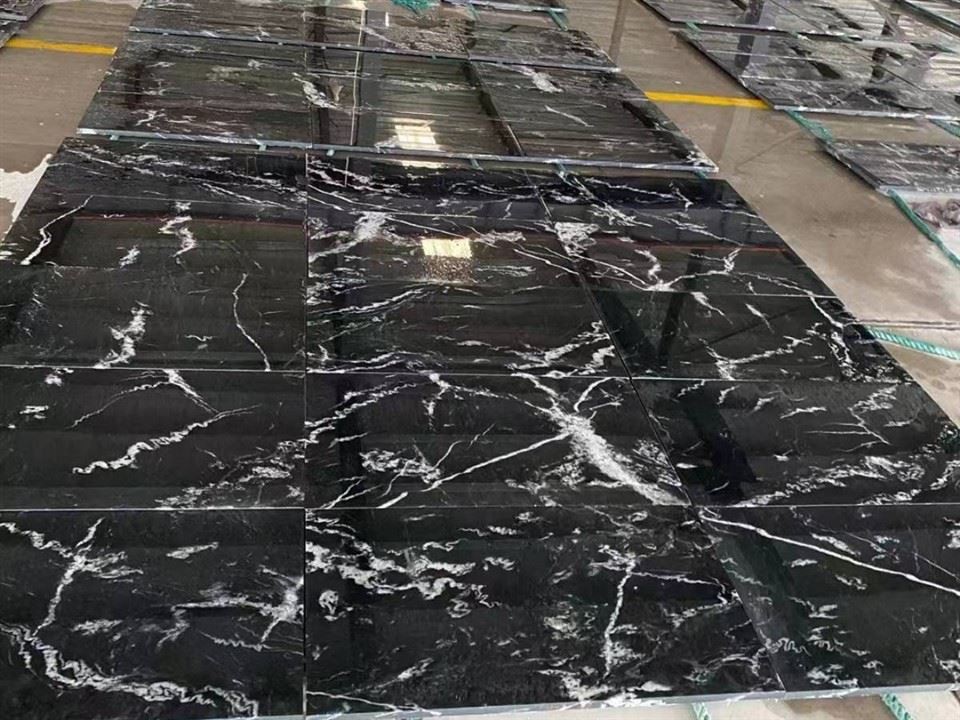
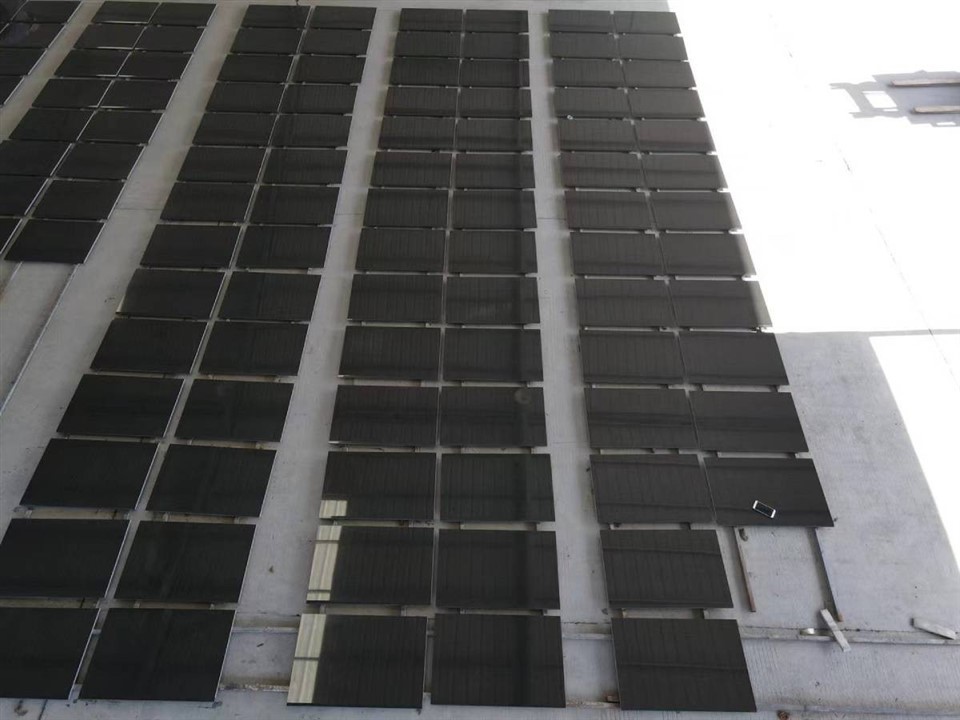
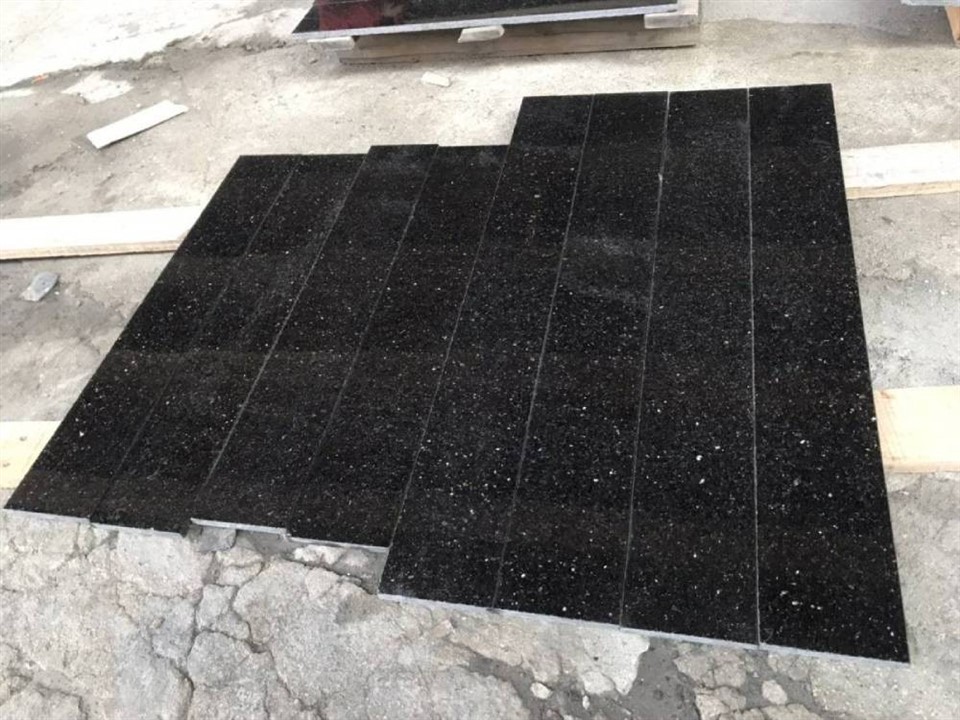
Precision fabrication directly improves construction efficiency. When granite pieces arrive accurately cut and labeled, installers can place them immediately without modification. Benefits include:
- Faster installation speed
- Lower labor costs
- Reduced equipment usage
- Minimal on-site cutting
In contrast, poorly cut stone forces contractors to perform adjustments during installation, which slows progress and increases risk of breakage. For large architectural projects, even small dimensional errors multiplied across hundreds of pieces can create significant delays.
Material Optimization and Waste Reduction
Custom cutting is not only about shape-it is also about maximizing material yield. Skilled fabrication teams analyze slab layouts before cutting to optimize usage. Strategic nesting of shapes helps:
- Reduce waste material
- Lower project costs
- Maintain color consistency
- Improve batch efficiency
Efficient slab planning is especially important for projects requiring uniform appearance across large wall areas. Proper layout ensures that adjacent panels come from compatible sections of the same slab batch, maintaining visual continuity.
Quality Control in Custom Fabrication
High-level architectural work demands strict inspection standards. Reliable manufacturers typically implement multi-stage quality control that includes:
- Dimensional tolerance checks
- Edge accuracy measurement
- Surface flatness testing
- Finish consistency inspection
- Trial assembly for complex components
These steps verify that fabricated pieces match technical drawings before shipping. For international projects, this pre-shipment validation is critical because corrections after delivery can be costly and time-consuming.
Applications in Modern Architecture
Custom-cut granite is widely used in projects where durability and design flexibility must coexist. Typical architectural applications include:
- Exterior curtain walls
- Ventilated façade systems
- Public plaza paving
- Monumental staircases
- Commercial lobby interiors
- Structural landscape elements
Granite's strength allows it to function both as a decorative and structural material, making it suitable for demanding environments such as transportation hubs, civic buildings, and commercial complexes.
Architectural stone projects depend on precision, coordination, and consistency. Custom granite cutting makes it possible to translate complex architectural designs into accurately manufactured components ready for installation. From curved panels to engineered façade systems, professional fabrication ensures that every piece meets technical specifications and integrates seamlessly into the structure.
For project developers and contractors, selecting a supplier with advanced fabrication capability is not just about production-it is about ensuring construction efficiency, design accuracy, and long-term performance. In modern architecture, the quality of granite fabrication often determines the difference between a project that simply functions and one that truly stands out.