

What is the market demand for Calacatta Quartz Slabs?
Dec 31, 2025
Leave a message
In the realm of interior design and construction, Calacatta Quartz Slabs have emerged as a sought - after material, captivating the hearts of designers, architects, and homeowners alike. As a supplier of Calacatta Quartz Slabs, I've had the privilege of witnessing firsthand the growing market demand for this exquisite product. In this blog, I will delve into the reasons behind this surge in popularity, explore the various applications of Calacatta Quartz Slabs, and discuss future market trends.
The Aesthetics and Appeal of Calacatta Quartz Slabs
One of the primary factors driving the market demand for Calacatta Quartz Slabs is their unparalleled aesthetics. Calacatta quartz is designed to mimic the luxurious veining pattern of Calacatta marble, a natural stone that has long been associated with opulence and elegance. However, unlike natural marble, Calacatta Quartz Slabs offer several distinct advantages.
Natural marble is porous, which means it is susceptible to staining, scratching, and etching from acidic substances. On the contrary, Calacatta quartz is non - porous, making it highly resistant to stains, scratches, and acids. This durability makes it an ideal choice for high - traffic areas in both residential and commercial settings.
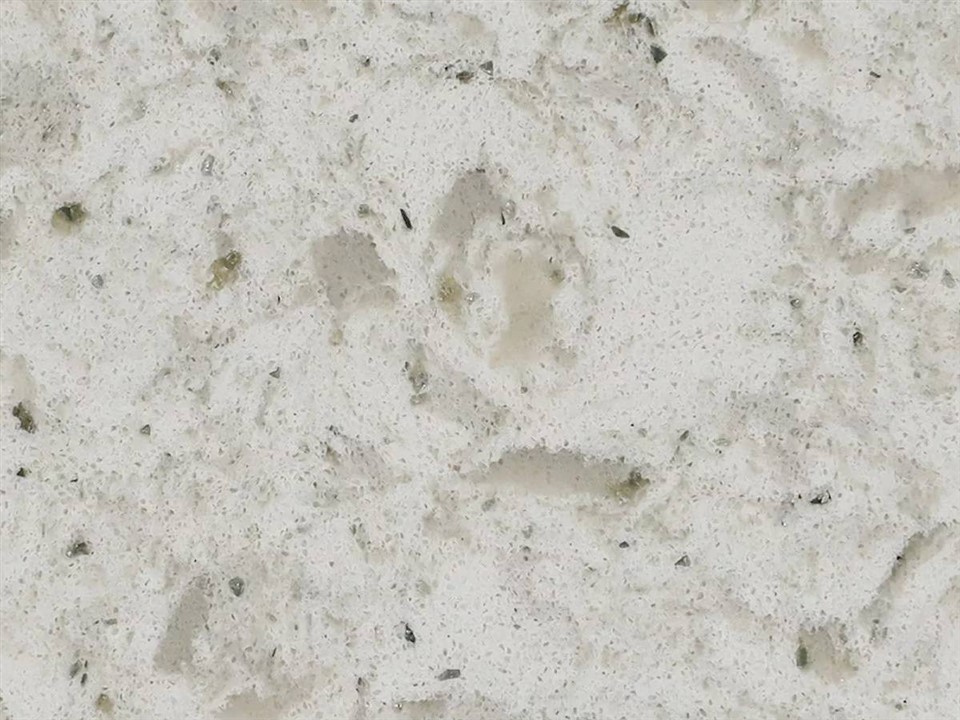
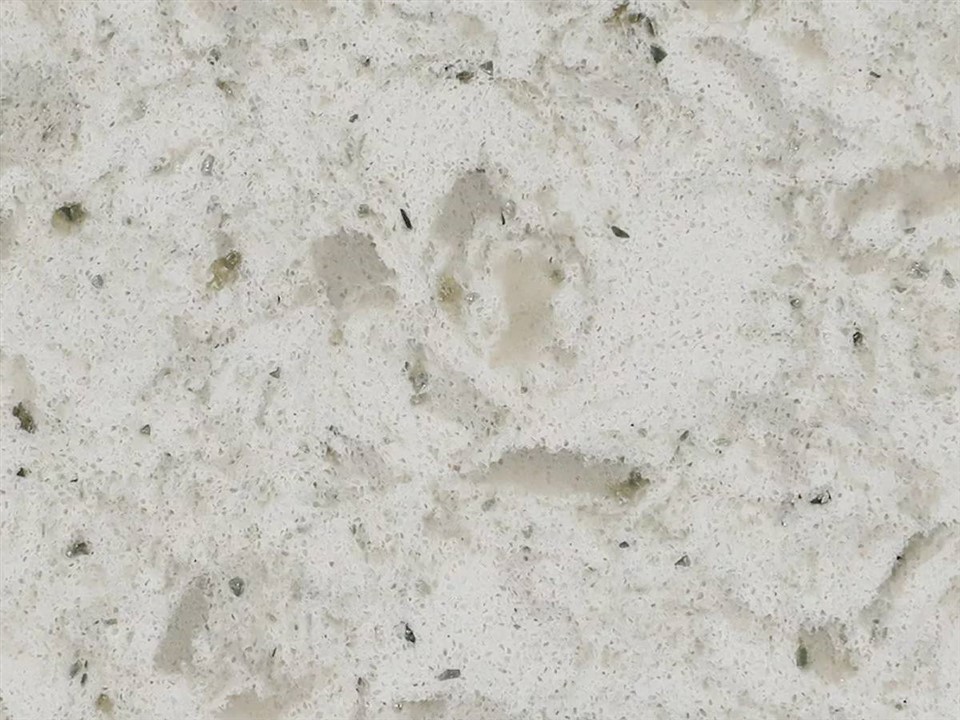
The veining in Calacatta Quartz Slabs is carefully crafted to create a dramatic and eye - catching look. The bold, flowing veins are often in shades of gray or gold, set against a pristine white background. This aesthetic combination adds a touch of sophistication and luxury to any space, whether it's a contemporary kitchen, a modern bathroom, or a high - end hotel lobby.
Applications of Calacatta Quartz Slabs
Kitchen Countertops
Calacatta Quartz Slabs are widely used as kitchen countertops due to their durability and beauty. In the kitchen, countertops are subjected to a lot of wear and tear, including heat, scratches, and spills. The scratch - resistant and non - porous nature of Calacatta quartz ensures that the countertops maintain their pristine appearance over time.
The white background of Calacatta quartz reflects light, making the kitchen appear brighter and more spacious. The veining pattern also adds visual interest, creating a focal point in the kitchen. Whether paired with modern stainless - steel appliances or classic wooden cabinetry, Calacatta Quartz Slabs can complement a variety of kitchen styles.
Bathroom Vanities
When it comes to bathroom vanities, Quartz Slabs Bathroom Designs often incorporate Calacatta Quartz Slabs. In bathrooms, moisture and humidity are common issues. The non - porous surface of Calacatta quartz makes it resistant to water damage, preventing the growth of mold and mildew.
The luxurious appearance of Calacatta quartz elevates the look of any bathroom. It can transform a mundane bathroom into a spa - like retreat. For example, a Calacatta Quartz Slab vanity top paired with a vessel sink and modern faucets creates a contemporary and elegant bathroom design.
Flooring and Wall Cladding
Calacatta Quartz Slabs can also be used for flooring and wall cladding in both residential and commercial buildings. As flooring, it provides a sleek and sophisticated look that can enhance the overall aesthetics of a space. The durability of the quartz ensures that it can withstand heavy foot traffic without showing signs of wear.
For wall cladding, Calacatta quartz can create a dramatic and luxurious backdrop. It is often used in feature walls in living rooms, hotel lobbies, or restaurants. The combination of the white background and the bold veins creates a visually striking effect that is sure to impress.
Market Trends and Consumer Preferences
In recent years, there has been a growing trend towards minimalistic and contemporary interior design. Calacatta Quartz Slabs fit perfectly into this trend, with their clean lines and modern aesthetic. Consumers are increasingly looking for materials that not only look good but also offer practical benefits such as durability and easy maintenance.
Another trend is the demand for sustainable and environmentally friendly materials. Calacatta quartz is an eco - friendly option as it is made from natural quartz crystals and resins. It is also recyclable, which appeals to environmentally conscious consumers.
In addition, the rise of online shopping and home improvement shows has increased consumer awareness of different materials and design options. As a result, consumers are more willing to invest in high - quality materials like Calacatta Quartz Slabs to enhance the value and appearance of their homes.
Comparison with Other Quartz Slabs
While there are many types of quartz slabs available in the market, Calacatta Quartz Slabs have a unique selling point. For instance, compared to Oceana Quartz Slab, which may have a more ocean - inspired color palette and pattern, Calacatta quartz offers a more classic and timeless look. The white and gray - veined pattern of Calacatta quartz is reminiscent of traditional luxury, making it a popular choice for those who prefer a more sophisticated and elegant style.
On the other hand, when compared to Grey Quartz Slab, Calacatta Quartz Slabs bring more contrast and drama. Grey quartz slabs are known for their understated and modern look, while Calacatta quartz stands out with its bold veining and high - contrast appearance.
Market Demand in Different Regions
The market demand for Calacatta Quartz Slabs varies in different regions. In developed countries such as the United States, Canada, and countries in Western Europe, there is a high demand for luxury interior materials. Homeowners and commercial property developers in these regions are willing to spend more on high - quality materials like Calacatta Quartz Slabs to create sophisticated and stylish spaces.
In emerging economies in Asia, such as China and India, the demand for Calacatta Quartz Slabs is also on the rise. As the middle - class population in these countries grows, there is an increasing interest in home improvement and interior design. The affordability and durability of Calacatta quartz make it an attractive option for both residential and commercial projects in these regions.
Challenges and Future Outlook
Despite the growing market demand, there are some challenges that need to be addressed. One of the main challenges is the competition from other materials, such as natural marble, granite, and ceramic tiles. While Calacatta Quartz Slabs offer many advantages over these materials, some consumers still prefer the natural look and feel of natural stone.
Another challenge is the price. Calacatta Quartz Slabs are generally more expensive than some other types of quartz slabs and ceramic tiles. However, as the production technology improves and economies of scale are achieved, the price of Calacatta quartz is expected to become more competitive in the future.
Looking ahead, the future of the Calacatta Quartz Slab market looks promising. With the continuous growth of the construction and interior design industries, and the increasing consumer awareness of the benefits of Calacatta quartz, the demand is likely to continue to rise. New applications and design possibilities are also emerging, which will further drive the market growth.
Conclusion
In conclusion, the market demand for Calacatta Quartz Slabs is driven by their aesthetics, durability, and versatility. They are widely used in various applications, including kitchen countertops, bathroom vanities, flooring, and wall cladding. The market trends and consumer preferences indicate a growing interest in this luxurious material, both in developed and emerging economies.
If you are in the market for high - quality Calacatta Quartz Slabs for your next project, we invite you to contact us for a detailed discussion. Our team of experts can provide you with the best solutions tailored to your specific needs. Whether you are an architect, a designer, or a homeowner, we are here to help you transform your space with the elegance of Calacatta Quartz Slabs.
References
- Smith, J. (2022). The Rise of Quartz in Interior Design. Interior Design Magazine.
- Brown, A. (2023). Trends in Luxury Interior Materials. Construction Today.
- Green, C. (2023). The Future of Sustainable Building Materials. Sustainable Architecture Journal.