

Are there different grades of granite?
Jan 22, 2026
Leave a message
As a seasoned granite supplier, I've encountered numerous inquiries about the grading of granite. The answer is a resounding yes – there are indeed different grades of granite, and understanding these grades is crucial for anyone looking to purchase this magnificent natural stone. In this blog post, I'll delve into the various factors that determine granite grades, the different grades themselves, and how they can impact your project.
Factors Determining Granite Grades
Several key factors contribute to the grading of granite. These factors assess the stone's quality, durability, appearance, and suitability for specific applications. Here are the primary considerations:
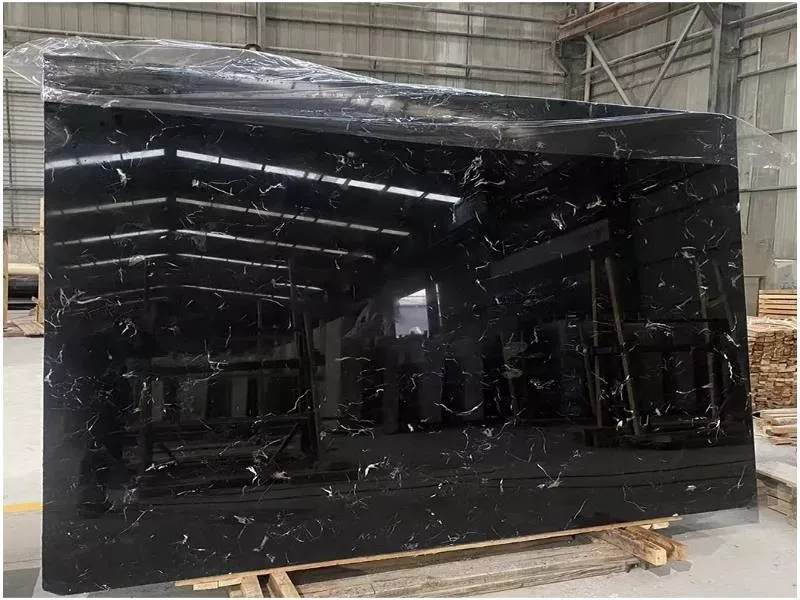
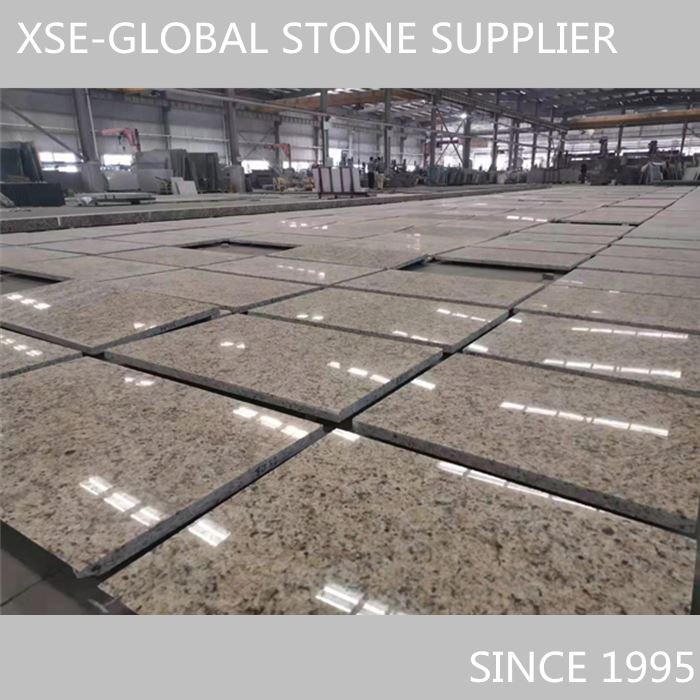
1. Origin and Quarry Location
The geographical location of the granite quarry plays a significant role in determining its grade. Different regions around the world produce granite with unique characteristics due to variations in geological conditions. For example, granite quarried from Brazil is often known for its rich colors and bold patterns, while Chinese granite might offer a more consistent appearance and excellent durability. The quality of the quarrying process also matters; well - managed quarries with advanced extraction techniques tend to produce higher - grade granite.
2. Mineral Composition
Granite is a complex rock composed mainly of quartz, feldspar, and mica, with small amounts of other minerals. The proportion and quality of these minerals can affect the granite's grade. Higher - grade granite typically has a more uniform distribution of minerals, which results in a more consistent appearance and better durability. For instance, granite with a high quartz content is generally more resistant to scratching and abrasion.
3. Color and Pattern Consistency
The color and pattern of granite are major visual factors in grading. High - grade granite usually has a more consistent color across the slab and a well - defined, aesthetically pleasing pattern. In contrast, lower - grade granite may exhibit color variations or less distinct patterns that can be less appealing for certain applications, especially those where a uniform look is desired.
4. Physical Properties
Physical properties such as hardness, density, and porosity are crucial in determining granite grade. Hardness is measured on the Mohs scale, and higher - grade granite typically has a higher Mohs hardness, making it more resistant to wear and damage. Density affects the strength of the stone, while low porosity means the granite is less likely to absorb liquids, which is important for applications like countertops where stains can be a concern.
5. Defects and Imperfections
The presence of defects such as cracks, pits, or inclusions can significantly impact the grade of granite. Higher - grade granite has fewer defects, and any imperfections that do exist are minor and can be easily managed during installation. Lower - grade granite may have more visible flaws, which may limit its use to less critical applications or require more extensive repair work.
Different Grades of Granite
Based on the above factors, granite is generally divided into three main grades:
1. Commercial Grade Granite
Commercial grade granite is the most basic and affordable grade. It is suitable for applications where appearance is not the top priority, such as in commercial buildings with high traffic areas or in projects with budget constraints. This grade of granite may have more color variations, less distinct patterns, and a slightly higher number of imperfections. However, it still offers decent durability and can withstand normal wear and tear. Our Ouro Brazil Granite Slabs can sometimes fall into this category, providing a cost - effective option for many commercial projects.
2. Mid - Grade Granite
Mid - grade granite strikes a balance between quality and cost. It has a more consistent color and pattern compared to commercial grade granite, with fewer visible defects. This grade is a popular choice for residential applications such as kitchen countertops and bathroom vanities. The physical properties, like hardness and density, are typically better in mid - grade granite, ensuring better long - term performance. It is also more adaptable to a wider range of design styles.
3. Premium Grade Granite
Premium grade granite represents the highest quality of the stone. It features a stunning, uniform color, a distinct and intricate pattern, and virtually no visible defects. This grade of granite is often chosen for high - end residential projects, luxury commercial spaces, and architectural monuments. Granite in this grade is quarried from the best locations and processed with the utmost care to preserve its beauty and quality. Our Black Granite Monuments Material and ASIAN BLACK are excellent examples of premium grade granite, offering unparalleled elegance and durability.
Impact of Granite Grades on Your Project
The choice of granite grade can have a significant impact on your project in several ways:
1. Aesthetic Appeal
The grade of granite directly affects the visual appearance of your project. Premium grade granite will provide a luxurious and sophisticated look that can enhance the overall value of your property. In contrast, commercial grade granite may be more suitable for a utilitarian or industrial - style design where a more rustic look is desired.
2. Durability and Longevity
Higher - grade granite generally has better physical properties, which means it will last longer and require less maintenance. If you're investing in a long - term project, such as a kitchen countertop that will be used daily, choosing a mid - grade or premium grade granite is advisable to ensure it can withstand the rigors of everyday use.
3. Cost
The grade of granite is closely related to its cost. Commercial grade granite is the most budget - friendly option, while premium grade granite can be significantly more expensive. However, it's important to consider the long - term value and benefits when making your decision. A higher - grade granite may cost more upfront but can save you money in the long run by reducing the need for repairs and replacements.
Conclusion
In conclusion, there are definitely different grades of granite, each with its own set of characteristics, advantages, and suitability for different applications. Whether you're working on a commercial project, a residential renovation, or an architectural monument, understanding these grades will help you make an informed decision.
As a granite supplier, I'm here to assist you in choosing the right grade of granite for your specific needs. Whether you're looking for a cost - effective commercial grade option or a luxurious premium grade stone, we have a wide range of products to meet your requirements. If you're interested in learning more or starting a procurement discussion, please feel free to reach out. We'll be happy to provide you with detailed information, samples, and pricing to help you make the best choice for your project.
References
- "Granite: A Comprehensive Guide to Properties and Applications" by Stone Industry Press
- "Natural Stone Grading Standards" published by the International Natural Stone Association