

What is the density of Black Quartz Slabs?
Dec 31, 2025
Leave a message
Black quartz slabs have become a popular choice in the construction and interior design industries due to their sleek appearance, durability, and low maintenance requirements. As a supplier of high - quality black quartz slabs, I often receive inquiries about their density. In this blog post, I will delve into what the density of black quartz slabs is, why it matters, and how it compares to other types of quartz slabs.
Understanding Density
Density is a fundamental physical property that measures the mass per unit volume of a substance. In the case of black quartz slabs, density is typically expressed in grams per cubic centimeter (g/cm³) or kilograms per cubic meter (kg/m³). It is an important characteristic because it can influence various aspects of the slab's performance, such as its strength, durability, and resistance to wear and tear.
What is the Density of Black Quartz Slabs?
On average, the density of black quartz slabs ranges from 2.6 to 2.8 g/cm³. This value can vary slightly depending on the specific composition of the quartz, the manufacturing process, and the presence of any additives or impurities. The high density of black quartz slabs is due to the fact that quartz is a relatively heavy mineral, and the manufacturing process compresses the quartz particles tightly together, resulting in a dense and solid material.
Why Does Density Matter?
The density of black quartz slabs has several implications for their performance and usability.
Strength and Durability
A higher density generally indicates a stronger and more durable material. Black quartz slabs with a density in the range of 2.6 - 2.8 g/cm³ are able to withstand heavy loads and resist scratches, chips, and cracks. This makes them suitable for a wide range of applications, including kitchen countertops, bathroom vanities, flooring, and wall cladding.
Resistance to Staining
Dense materials are less porous, which means they are more resistant to staining. Black quartz slabs are non - porous, thanks in part to their high density, making them easy to clean and maintain. Spills can be wiped away quickly without the risk of the liquid seeping into the material and leaving a permanent stain.
Thermal Resistance
The density of black quartz slabs also contributes to their thermal resistance. They can withstand high temperatures without warping or cracking, making them a great choice for kitchen countertops where hot pots and pans are frequently placed.
Comparison with Other Quartz Slabs
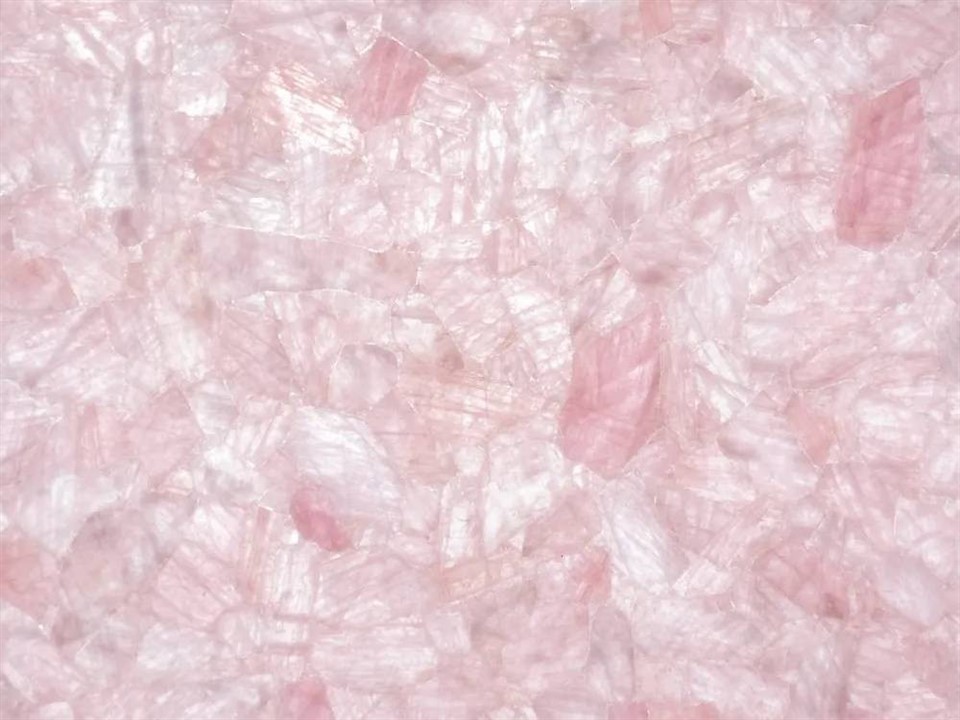
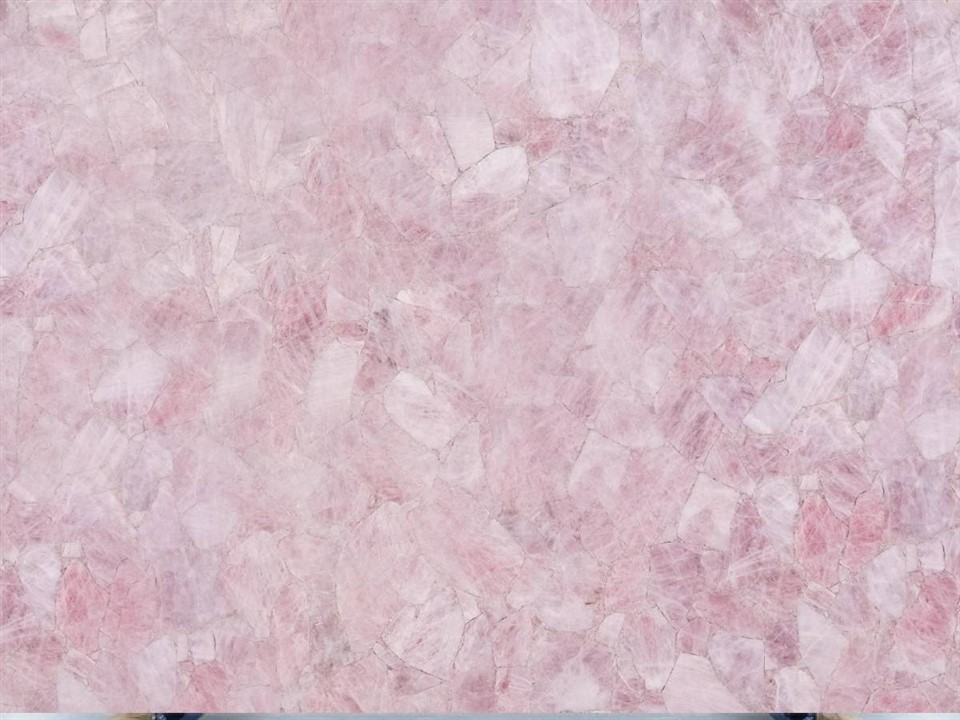
When comparing black quartz slabs to other types of quartz slabs, such as Red Quartz Slab, Oceana Quartz Slab, and Pink Quartz Stone Slab, the density is generally similar. All high - quality quartz slabs have a density within the range of 2.6 - 2.8 g/cm³. However, the appearance and specific properties of each type of slab may vary depending on the color, pattern, and any additional treatments or finishes.
Factors Affecting Density
Several factors can affect the density of black quartz slabs.
Quartz Content
The percentage of quartz in the slab is a major factor. Higher quartz content usually results in a higher density. Most high - quality black quartz slabs contain at least 90% quartz, with the remaining percentage made up of resins, pigments, and other additives.
Manufacturing Process
The manufacturing process plays a crucial role in determining the density of the slab. Compression techniques are used to compact the quartz particles together, and the quality of this compression can vary between manufacturers. A well - manufactured slab will have a more uniform density and better overall performance.
Additives and Impurities
The presence of additives and impurities can also affect the density. Some manufacturers may add pigments to achieve a specific color, or use resins to bind the quartz particles together. These additives can slightly alter the density of the final product.
Testing the Density of Black Quartz Slabs
If you are a contractor, designer, or homeowner looking to purchase black quartz slabs, you may want to test the density of the material. There are several methods for testing density, but one of the most common is the Archimedes' principle. This involves weighing the slab in air and then weighing it again when it is submerged in water. By using the difference in weight and the known density of water, the density of the slab can be calculated.
Applications of Black Quartz Slabs
Due to their high density and excellent properties, black quartz slabs are used in a variety of applications.
Kitchen Countertops
Black quartz countertops are a popular choice in modern kitchens. Their sleek and sophisticated appearance adds a touch of luxury, while their durability and resistance to stains make them practical for daily use.
Bathroom Vanities
In bathrooms, black quartz vanities create a bold and elegant look. They are easy to clean and can withstand the moisture and humidity typically found in bathrooms.
Flooring and Wall Cladding
Black quartz slabs can also be used for flooring and wall cladding. Their strength and resistance to wear make them suitable for high - traffic areas, and their dark color can create a dramatic and contemporary aesthetic.
Conclusion
The density of black quartz slabs, typically ranging from 2.6 to 2.8 g/cm³, is an important characteristic that affects their strength, durability, resistance to staining, and thermal resistance. As a supplier of black quartz slabs, I am committed to providing high - quality products that meet the needs of my customers. Whether you are a contractor working on a large - scale project or a homeowner looking to upgrade your kitchen or bathroom, black quartz slabs are a great choice.
If you are interested in purchasing black quartz slabs or have any questions about their density, performance, or applications, please feel free to contact me for more information. I am available to discuss your specific requirements and help you find the perfect black quartz slabs for your project.
References
- "Quartz Countertops: A Comprehensive Guide" by Home Improvement Magazine
- "The Physics of Construction Materials" by John Smith, Ph.D.
- "Quartz Manufacturing Processes" by Quartz Industry Journal