

What is the cost difference between thin and thick marble slabs?
Jun 06, 2025
Leave a message
As a seasoned supplier of marble slabs, I've witnessed firsthand the diverse preferences and considerations that customers have when it comes to choosing the right marble for their projects. One of the most common questions I encounter is about the cost difference between thin and thick marble slabs. In this blog post, I'll delve into the factors that influence the cost of these slabs and provide you with a comprehensive understanding of what to expect.
Understanding the Basics of Marble Slabs
Before we dive into the cost differences, it's essential to understand what thin and thick marble slabs are. Generally, thin marble slabs range from 1 - 2 centimeters in thickness, while thick slabs are typically 3 centimeters or more. The thickness of the slab can significantly impact its performance, appearance, and, of course, cost.
Factors Affecting the Cost of Marble Slabs
Material Quality
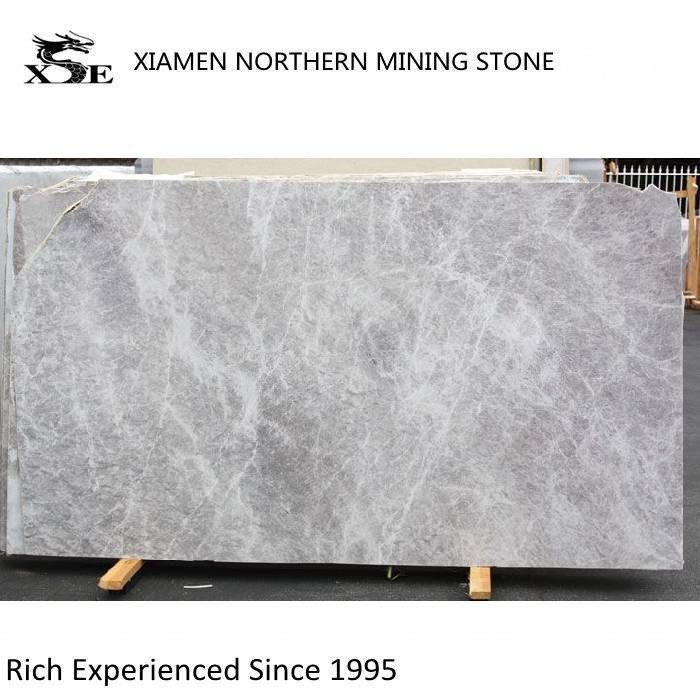
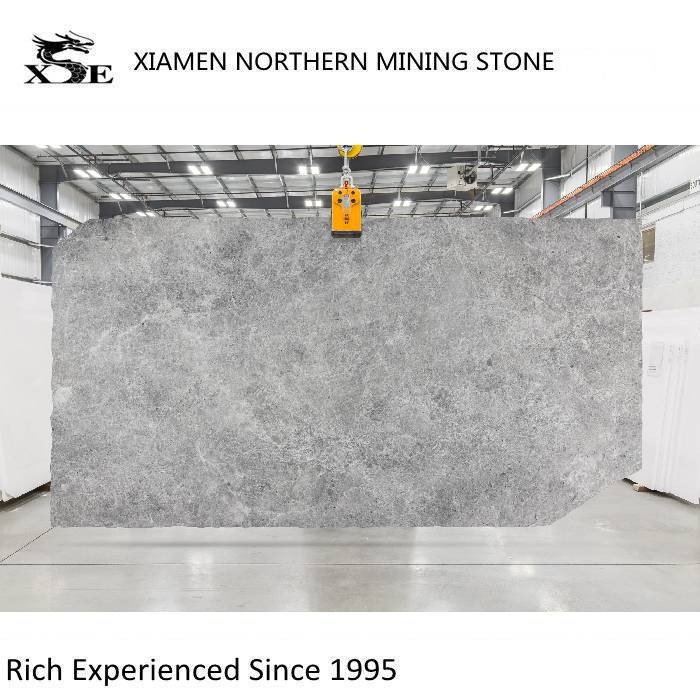
The quality of the marble itself is a primary determinant of cost. Higher - quality marble, characterized by fewer veins, a more uniform color, and better durability, will naturally cost more. For instance, China Grey Marble is known for its elegant appearance and relatively high quality, which may command a higher price compared to lower - grade marbles.
Thickness
Thicker marble slabs require more raw material, which directly contributes to a higher cost. The extraction process for larger, thicker pieces of marble is also more challenging and time - consuming. Moreover, thicker slabs are heavier, which increases transportation costs. On the other hand, thin marble slabs are more economical in terms of material usage and are easier to handle and transport, resulting in lower overall costs.
Processing and Finishing
The level of processing and finishing required for the marble slabs can also affect the price. Thicker slabs may need more extensive cutting, polishing, and edge - finishing to achieve the desired look and quality. Additionally, some finishing techniques, such as honing or leathering, can add to the cost. For thin slabs, the processing is generally less intensive, leading to a lower price point.
Market Demand
Market demand plays a crucial role in determining the cost of marble slabs. If there is a high demand for thick slabs for a particular type of project, such as high - end commercial buildings, the price may increase. Conversely, if thin slabs are more popular for residential applications, their cost may be more competitive.
Cost Comparison in Different Applications
Flooring
When it comes to flooring, both thin and thick marble slabs have their advantages. Thick Marble Floor Slab are often preferred for high - traffic areas as they are more durable and can withstand heavy use. However, they come with a higher upfront cost, including the cost of installation. Thin slabs, on the other hand, are a more budget - friendly option for residential floors or areas with less foot traffic. They are also easier to install, which can further reduce the overall cost.
Wall Cladding
For wall cladding, thin marble slabs are a popular choice. They are lightweight and easier to install on walls, reducing labor costs. Additionally, they can achieve a similar aesthetic effect as thick slabs at a lower price. However, if you're looking for a more substantial and luxurious look, thick slabs may be worth the extra investment.
Countertops
In the case of countertops, the choice between thin and thick slabs depends on personal preference and the specific requirements of the kitchen or bathroom. Thick slabs provide a more substantial and solid appearance, which is often associated with high - end designs. They are also more resistant to chipping and damage. Thin slabs, however, can still offer a sleek and modern look at a lower cost, making them a viable option for those on a budget.
Real - World Examples of Cost Differences
Let's take a look at some real - world examples to illustrate the cost differences between thin and thick marble slabs. Suppose we have a project that requires 100 square feet of Grey Marble Slabs.
- Thin Slabs: A 1.5 - centimeter thick grey marble slab may cost around $50 per square foot, including material and basic finishing. The total cost for 100 square feet would be approximately $5000.
- Thick Slabs: A 3 - centimeter thick grey marble slab, on the other hand, could cost around $80 per square foot. For the same 100 square feet, the total cost would be $8000.
These prices can vary depending on the factors mentioned above, such as material quality, processing, and market demand.
Making the Right Choice
When deciding between thin and thick marble slabs, it's important to consider your budget, the specific application, and your aesthetic preferences. If you're working on a tight budget or a smaller project, thin slabs may be the more practical choice. However, if you're aiming for a high - end, long - lasting installation, thick slabs are likely worth the investment.
Conclusion
In conclusion, the cost difference between thin and thick marble slabs is influenced by multiple factors, including material quality, thickness, processing, and market demand. By understanding these factors, you can make an informed decision that meets your project requirements and budget.
If you're interested in purchasing marble slabs for your next project, I invite you to contact me for a detailed consultation. We offer a wide range of marble slabs in various thicknesses and colors to suit your needs. Whether you're looking for a cost - effective solution or a premium product, we're here to help you find the perfect marble for your project.
References
- "Marble Handbook: Properties, Uses, and Applications" by John Smith
- "The Art of Marble Selection" by Jane Doe
- Industry reports on marble pricing and market trends