

What are the trade - offs between cost and quality of imported granite?
Jun 24, 2025
Leave a message
Hey there! I'm an imported granite supplier, and I've been in this business for quite a while. One question I get asked all the time is, "What are the trade - offs between cost and quality of imported granite?" Well, let's dive right in and break it down.
First off, let's talk about what affects the cost of imported granite. There are several factors at play here. One of the biggest ones is the origin of the granite. Different countries have different geological conditions, which means the quality and availability of granite can vary a lot. For example, granite from Brazil is often known for its rich colors and unique patterns, but because of the distance and shipping costs, it can be more expensive compared to granite from nearby countries.
Another factor is the extraction process. Some granite quarries use advanced technology and machinery to extract the stone, which can increase the quality but also drive up the cost. On the other hand, smaller quarries might use more traditional methods, which could result in a lower - cost product but potentially with more inconsistencies in quality.
Then there's the processing of the granite. Cutting, polishing, and finishing the slabs require specialized equipment and skilled labor. High - end processing techniques can produce a smooth, flawless surface, but they come at a price. Cheaper processing might lead to rough edges or uneven surfaces.
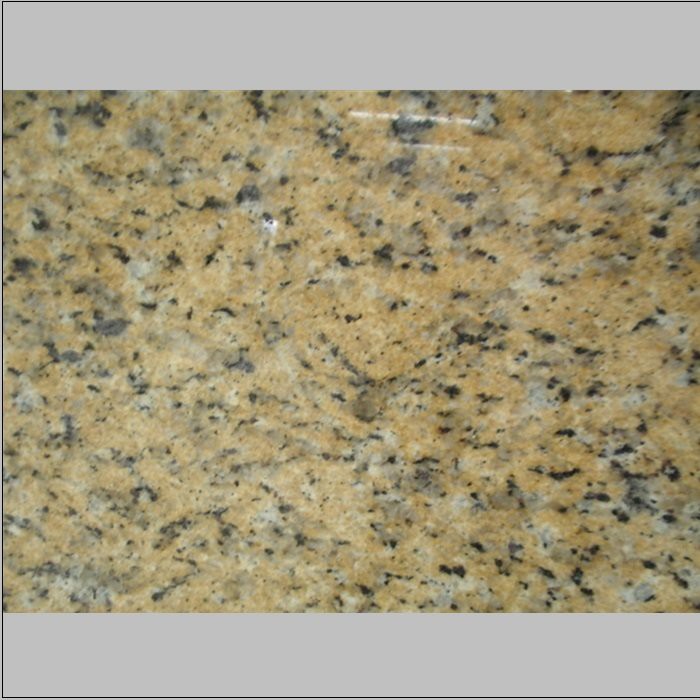
Now, let's get into the quality side of things. Quality in imported granite can be judged by several aspects. The first is the color and pattern. High - quality granite has a consistent color throughout the slab, and the pattern is well - defined and attractive. For instance, Giallo Mountain Granite Slabs are known for their beautiful yellowish - gold color and intricate veining. This kind of unique and consistent appearance is a sign of good quality.
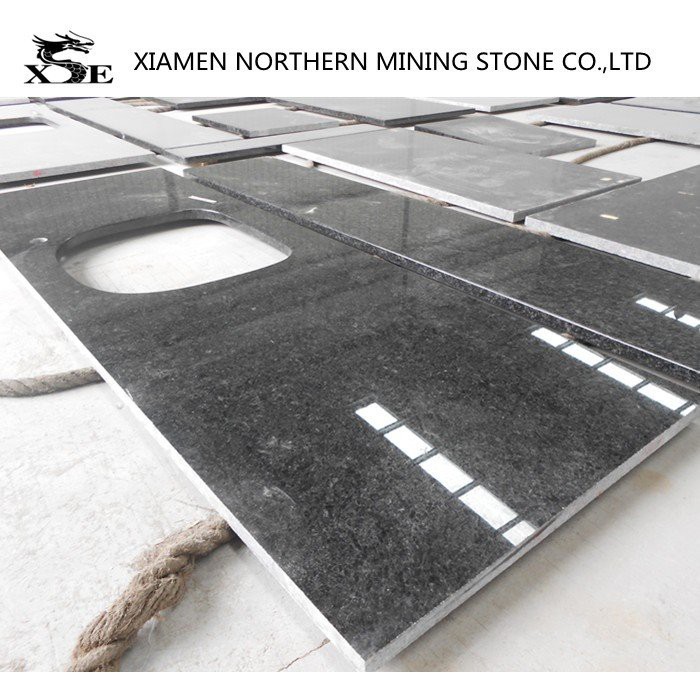
The durability of the granite is also crucial. Good - quality granite is hard and resistant to scratches, heat, and stains. It can withstand the wear and tear of daily use, whether it's in a kitchen countertop or a bathroom vanity. Angola Black Granite Countertops are a great example of durable granite. They're strong enough to handle hot pots and pans without getting damaged.
Another aspect of quality is the density of the granite. Denser granite is less porous, which means it's less likely to absorb liquids and get stained. This is especially important in areas where spills are common, like kitchens. Blue Night Granite Slabs have a relatively high density, making them a good choice for both aesthetic and practical reasons.
So, what are the trade - offs between cost and quality? Well, if you're on a tight budget, you might have to compromise on some aspects of quality. You could end up with a granite slab that has a less consistent color or pattern, or it might not be as durable as the more expensive options. For example, a cheaper granite might scratch more easily, which could be a problem in a high - traffic area.
On the other hand, if you're willing to spend more, you can get top - notch quality granite. You'll have a beautiful, durable, and long - lasting product that will add value to your property. But it's not always necessary to go for the most expensive option. Sometimes, you can find a middle - ground where you get a decent quality granite at a reasonable price.
When it comes to making a decision, it's important to consider your specific needs. If you're using the granite for a commercial project where it will be exposed to a lot of wear and tear, it might be worth investing in higher - quality granite. But if it's for a residential project with less traffic, you might be able to get away with a more budget - friendly option.
I've seen many customers struggle with this cost - quality dilemma. Some are tempted by the low - cost granite, but then they realize that they end up having to replace it sooner than expected because of quality issues. Others go all out on the most expensive granite, but they might not really need all the high - end features.
As a supplier, my job is to help you find the right balance. I can show you different samples of granite, explain the pros and cons of each, and give you an idea of the long - term costs. Whether you're a contractor working on a big project or a homeowner looking to upgrade your kitchen, I'm here to assist you.
If you're interested in learning more about our imported granite products or want to discuss your specific requirements, don't hesitate to reach out. We can have a detailed conversation about your needs and find the perfect granite solution for you.
In conclusion, the trade - offs between the cost and quality of imported granite are complex. There are many factors at play, and it's important to do your research and consider your own situation. But with the right guidance, you can make an informed decision and get the best value for your money.
References:
- Industry knowledge and experience in the imported granite business.
- General understanding of granite geology and processing techniques.