

Are there any imported granite that is stain - proof?
Jun 24, 2025
Leave a message
Hey there! I'm an imported granite supplier, and I often get asked this question: "Are there any imported granite that is stain-proof?" Well, let's dive right into this topic and find out.
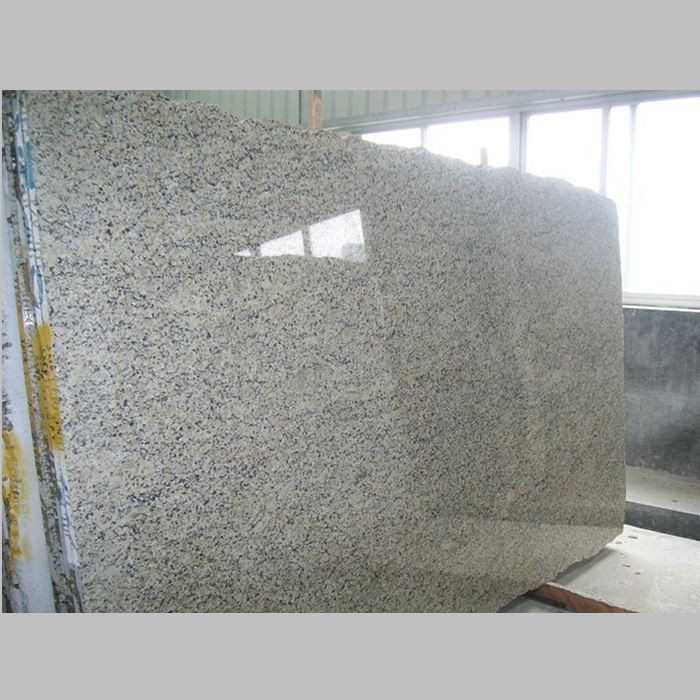
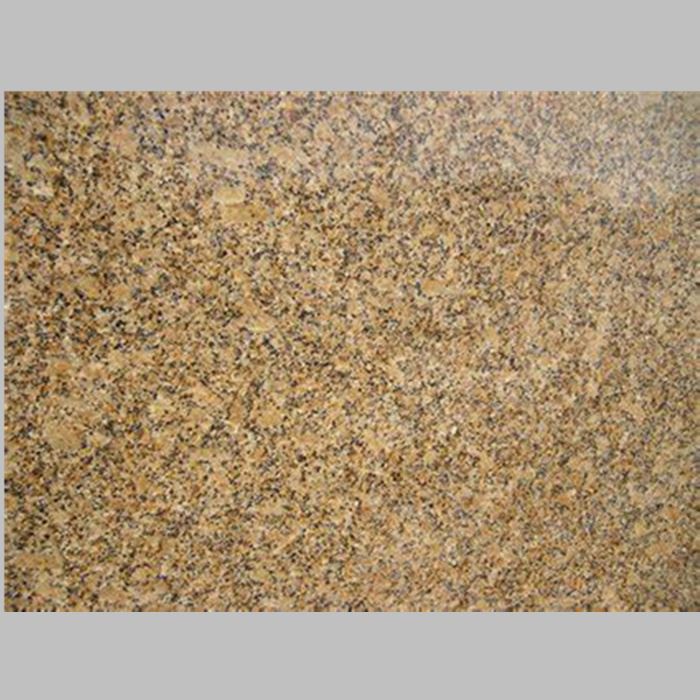
First off, let's understand a bit about granite. Granite is a natural stone formed from volcanic activity. It's composed mainly of quartz, feldspar, and mica. Its density and durability vary depending on its origin and mineral composition. Generally, granite is known for being tough and resistant to scratches and heat, but when it comes to stains, it's a bit more complicated.
There isn't really any imported granite that is 100% stain-proof. However, some types are more stain-resistant than others. The key factor here is the porosity of the granite. Porosity refers to how many tiny holes or pores the stone has. The lower the porosity, the less likely it is for liquids and stains to seep into the stone.
Let's talk about some popular imported granites. Take the Giallo Antico Granite Slab for example. This granite has a beautiful golden-yellow color with specks of black and gray. It's relatively dense and has a lower porosity compared to some other granites. This means it's more resistant to stains. But it's not completely immune. If you spill something like red wine or coffee on it and leave it there for a long time, it can still leave a mark.
Another option is the Angola Black Granite Countertops. This black granite is known for its sleek and modern look. It's also quite dense, which gives it a good level of stain resistance. However, acidic substances like lemon juice or vinegar can still cause problems if they're not cleaned up quickly. The acid can etch the surface of the granite, making it more susceptible to staining.
The Bianco Romano Granite Slabs are also a popular choice. With their white background and veins of gray and black, they add a touch of elegance to any space. But because of its lighter color, it may show stains more easily. Even though it has a decent level of density, it's important to be extra careful with spills on this type of granite.
So, what can you do to protect your imported granite from stains? The first step is to seal the granite. Sealing creates a protective barrier on the surface of the stone, making it harder for liquids to penetrate. You should seal your granite countertops at least once a year, or more often if they're in a high-traffic area or used frequently.
When cleaning your granite, use a mild, pH-neutral cleaner. Avoid using abrasive cleaners or scrubbers, as these can scratch the surface and damage the sealant. And always clean up spills as soon as possible. Blot the spill with a clean cloth instead of rubbing it, as rubbing can spread the stain and push it deeper into the stone.
It's also a good idea to use coasters and trivets. Place coasters under glasses and cups to prevent water rings, and use trivets to protect the granite from hot pots and pans. This not only helps prevent stains but also extends the life of your granite.
In conclusion, while there isn't any imported granite that is completely stain-proof, there are definitely some types that are more stain-resistant than others. By choosing the right granite, sealing it regularly, and taking proper care of it, you can keep your granite looking beautiful for years to come.
If you're interested in purchasing imported granite for your next project, whether it's a kitchen countertop, a bathroom vanity, or an outdoor patio, I'd love to have a chat with you. We have a wide range of imported granites to choose from, and I can help you find the perfect one for your needs. Just reach out, and we can start the conversation about your granite project.
References:
- "Granite: A Natural Stone Resource" by Stone Industry Association
- "Care and Maintenance of Natural Stone" by National Association of Home Builders