

What are the differences between natural and synthetic Level 1 White Quartz?
Jan 08, 2026
Leave a message
Hey there! As a supplier of Level 1 White Quartz, I've had my fair share of customers asking about the differences between natural and synthetic Level 1 White Quartz. So, I thought I'd break it down for you in this blog post.
What is Level 1 White Quartz?
First off, let's talk a bit about what Level 1 White Quartz is. Level 1 White Quartz refers to high - quality quartz materials that are often used in a variety of applications, especially in countertops for kitchens and bathrooms. It's known for its beautiful white color, which can range from pure white to a slightly off - white tone, giving a clean and elegant look to any space.
Natural Level 1 White Quartz
Formation
Natural Level 1 White Quartz is formed deep within the Earth's crust over millions of years. It's a result of the cooling and solidification of magma or the deposition of minerals from hot water solutions. This slow and natural process gives it a unique crystalline structure.
Appearance
One of the most striking features of natural white quartz is its unique patterns and variations. No two slabs of natural quartz are exactly the same. You'll often see small inclusions, veining, and color variations that are a result of the different minerals present during its formation. These natural variations can add a lot of character to a countertop, making it a one - of - a - kind piece.
Durability
Natural quartz is extremely hard, ranking 7 on the Mohs scale of mineral hardness. This means it's resistant to scratches and chips, making it a great choice for high - traffic areas like kitchens. However, it can be porous in some cases, which means it may need to be sealed regularly to prevent staining from liquids like wine, coffee, or oil.
Cost
Generally, natural Level 1 White Quartz tends to be more expensive. The cost is influenced by factors such as its rarity, the difficulty of extraction, and the amount of processing required to prepare it for use.
Synthetic Level 1 White Quartz
Manufacturing Process
Synthetic white quartz is man - made. It's created by combining crushed natural quartz crystals (usually about 90 - 93%) with resin and pigments. These materials are then compressed and heated under high pressure to form a solid slab.
Appearance
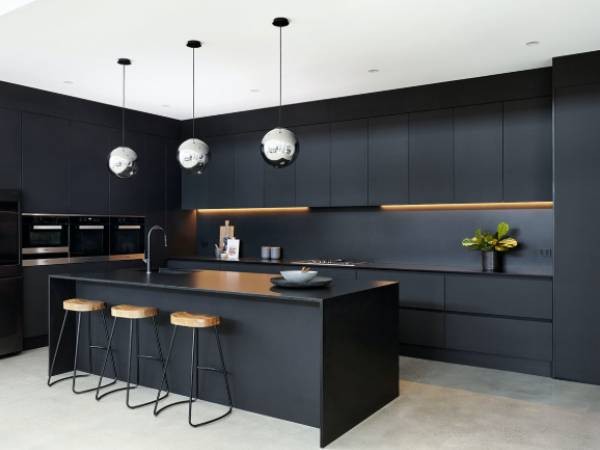
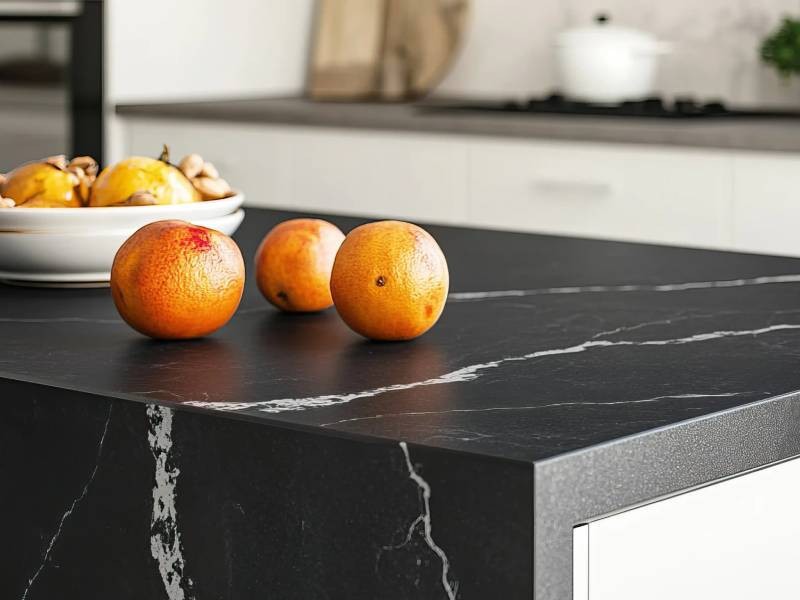
Synthetic quartz offers a more consistent appearance. Manufacturers can control the color and pattern, so you can get a very uniform look across multiple slabs. If you're going for a modern, sleek aesthetic where you want all your countertops to match perfectly, synthetic quartz is a great option. You can also find synthetic quartz that mimics the look of natural stone, including Black Quartz Kitchen Countertops and Black Quartz Countertops With White Veining.
Durability
Synthetic quartz is also very durable. Since it's non - porous, it doesn't require sealing, and it's highly resistant to stains, scratches, and heat. It can withstand the daily wear and tear of a busy kitchen without showing much damage.
Cost
Synthetic Level 1 White Quartz is often more budget - friendly. The manufacturing process allows for more efficient production, and there are fewer variables in terms of sourcing and extraction, which helps keep the cost down.
Performance Comparison
Stain Resistance
As mentioned earlier, synthetic quartz has an edge when it comes to stain resistance. Its non - porous nature means that liquids won't seep into the surface. Natural quartz, on the other hand, can absorb stains if not properly sealed.
Maintenance
Maintenance for synthetic quartz is relatively simple. A quick wipe with a mild detergent and water is usually enough to keep it clean. Natural quartz requires more upkeep, such as regular sealing to maintain its stain - resistant properties.
Heat Resistance
Both natural and synthetic quartz can handle moderate heat. However, extreme heat can cause problems for both types. For example, placing a very hot pan directly on the countertop can cause damage. It's always a good idea to use trivets or hot pads.
Environmental Impact
Natural Quartz
The extraction of natural quartz can have a significant environmental impact. Mining operations can disrupt ecosystems, cause soil erosion, and use a large amount of water and energy. However, some companies are taking steps to minimize these impacts through sustainable mining practices.
Synthetic Quartz
The production of synthetic quartz also has an environmental footprint. The manufacturing process requires energy, and the use of resins and pigments can involve chemicals. However, since it uses recycled materials in some cases and can be made with a high percentage of natural quartz, it can be a more sustainable option in some respects.
Which One Should You Choose?
The choice between natural and synthetic Level 1 White Quartz depends on your personal preferences, budget, and the specific needs of your project.
If you love the natural, unique look and don't mind the extra maintenance and cost, natural quartz might be the way to go. It's perfect for those who want a truly one - of - a - kind piece in their home.
On the other hand, if you're looking for a consistent appearance, low maintenance, and a more budget - friendly option, synthetic quartz is a great choice. It's also a good option if you want a countertop that's highly resistant to stains and doesn't require regular sealing.
Applications
Both natural and synthetic Level 1 White Quartz are versatile and can be used in a variety of applications.
Kitchen Countertops
In kitchens, both types can provide a beautiful and functional surface. Whether you choose the natural charm of natural quartz or the uniform look of synthetic quartz, it will enhance the overall look of your kitchen. You might also be interested in White Jade Quartz Countertops for a different take on white quartz in the kitchen.
Bathroom Vanities
For bathrooms, the durability and aesthetic appeal of both natural and synthetic quartz make them ideal choices. They can withstand the moisture and daily use in a bathroom environment.
Flooring
In some cases, both types of quartz can be used for flooring. However, synthetic quartz might be a better option for high - traffic areas due to its lower maintenance requirements.
Conclusion
So, there you have it - the main differences between natural and synthetic Level 1 White Quartz. As a supplier, I can offer you a wide range of options in both natural and synthetic quartz. Whether you're a homeowner looking to renovate your kitchen or a contractor working on a large project, I can help you find the perfect Level 1 White Quartz for your needs.
If you're interested in learning more or starting a procurement discussion, feel free to reach out. I'm here to answer any questions you might have and guide you through the selection process.
References
- "Quartz Countertops: A Buyer's Guide." Home Improvement Magazine.
- "The Science of Natural and Synthetic Quartz." Geology Today Journal.