

Are Calacatta Quartz Slabs safe for food contact?
Jan 08, 2026
Leave a message
As a supplier of Calacatta Quartz Slabs, I often receive inquiries about their safety for food contact. This is a crucial question for many customers, especially those considering using these slabs in kitchen countertops, food preparation areas, or even in restaurants. In this blog post, I will delve into the science behind the safety of Calacatta Quartz Slabs for food contact, addressing common concerns and providing relevant facts.
Understanding Calacatta Quartz Slabs
Calacatta Quartz Slabs are engineered stone products that mimic the elegant appearance of natural Calacatta marble. They are made by combining approximately 90 - 94% natural quartz crystals with polymers, resins, and pigments. The manufacturing process involves high - pressure and high - temperature treatment, which results in a dense, non - porous, and durable material.
The non - porous nature of Calacatta Quartz Slabs is one of the key factors contributing to their safety for food contact. Unlike natural stone, such as marble or granite, which can have microscopic pores and fissures, quartz slabs do not allow liquids or bacteria to penetrate the surface. This means that there is less risk of food particles, moisture, or harmful microorganisms getting trapped in the stone, which could potentially lead to contamination.
Safety Standards and Certifications
To ensure the safety of Calacatta Quartz Slabs for food contact, they must meet certain standards and certifications. In the United States, the Food and Drug Administration (FDA) has regulations regarding materials that come into contact with food. While the FDA does not specifically have a certification for quartz countertops, the resins and polymers used in the manufacturing of quartz slabs must comply with FDA - approved food - contact regulations.
Many reputable Calacatta Quartz Slab manufacturers subject their products to independent testing to ensure compliance with these standards. For example, the NSF International (National Sanitation Foundation) offers a certification program for food - contact surfaces. Products that pass NSF testing have been evaluated for their safety and suitability for use in food - handling environments. When purchasing Calacatta Quartz Slabs, it is advisable to look for products that have been certified by recognized organizations like NSF.
Resistance to Stains and Bacteria
One of the main concerns when it comes to food contact surfaces is the potential for staining and the growth of bacteria. Calacatta Quartz Slabs are highly resistant to stains due to their non - porous nature. Spills from acidic foods, such as lemon juice or tomato sauce, or colored liquids like coffee or wine, are less likely to leave permanent marks on the surface.
In terms of bacteria, studies have shown that quartz surfaces are less likely to harbor harmful microorganisms compared to other materials. A non - porous surface makes it difficult for bacteria to adhere and multiply. Regular cleaning with mild soap and water is usually sufficient to keep the surface clean and hygienic. However, it is still important to follow proper food safety practices, such as washing hands before handling food and using cutting boards to prevent direct contact between raw meat and the countertop.
Chemical Composition and Potential Risks
The chemical composition of Calacatta Quartz Slabs is another aspect to consider. The natural quartz crystals used in the slabs are generally considered safe. However, the resins and polymers used as binders can raise some concerns.
Most modern manufacturers use high - quality, low - emission resins that are designed to be safe for food contact. These resins are formulated to be resistant to heat, chemicals, and wear. Nevertheless, it is important to ensure that the slabs are sourced from a reliable supplier who can provide information about the chemical composition and safety of their products.
Comparison with Other Materials
When evaluating the safety of Calacatta Quartz Slabs for food contact, it is useful to compare them with other common countertop materials.
- Natural Stone: As mentioned earlier, natural stone like marble and granite can be porous, which makes them more susceptible to staining and bacterial growth. Additionally, some natural stones may contain trace amounts of radon, a radioactive gas that can be harmful if released into the air. Calacatta Quartz Slabs do not have these issues due to their non - porous and engineered nature.
- Laminate: Laminate countertops are affordable and come in a variety of colors and patterns. However, they are not as durable as quartz slabs and can be easily scratched or damaged. Over time, scratches can create areas where bacteria can accumulate, posing a potential risk for food safety.
- Stainless Steel: Stainless steel is a popular choice for commercial kitchens due to its durability and ease of cleaning. While it is also a safe option for food contact, it can be prone to scratching and may show fingerprints and smudges. Calacatta Quartz Slabs offer a more aesthetically pleasing alternative with similar levels of hygiene.
Applications in Food - Related Areas
Calacatta Quartz Slabs are suitable for a wide range of food - related applications. In residential kitchens, they can be used as countertops, island tops, or backsplashes. Their elegant appearance adds a touch of luxury to the kitchen while providing a safe and functional surface for food preparation.
In commercial settings, such as restaurants and cafes, Calacatta Quartz Slabs can be used in food service areas, buffet counters, and display cases. Their durability and resistance to stains make them ideal for high - traffic areas where food is constantly being handled.
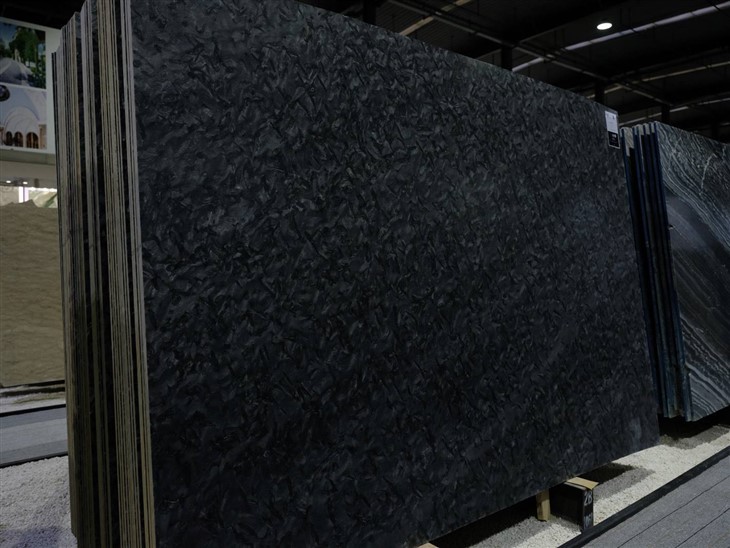
If you are also interested in other types of quartz slabs, you can check out our Brazilian Black Quartz Slabs and Quartz Slabs Wine Cellars. And for those who prefer a more golden - hued option, our Calacatta Gold Quartz Slab is a great choice.

Conclusion
In conclusion, Calacatta Quartz Slabs are generally safe for food contact. Their non - porous nature, resistance to stains and bacteria, and compliance with safety standards make them a reliable choice for both residential and commercial food - handling areas. However, it is important to source the slabs from a reputable supplier who can provide information about the product's chemical composition and certifications.
If you are considering using Calacatta Quartz Slabs for your next project, I encourage you to reach out to us for more information. We are happy to assist you in selecting the right product for your needs and answering any questions you may have. Whether you are a homeowner looking to upgrade your kitchen or a business owner in the food service industry, our team can provide you with the guidance and support you need to make an informed decision.
References
- "Food Contact Substances Notification Program," U.S. Food and Drug Administration.
- "NSF/ANSI Standard 51 - Food Equipment Materials," NSF International.
- Research studies on the antibacterial properties of quartz surfaces published in peer - reviewed journals.