

Rock-Pitched vs Sawn Edges: Sourcing US Upright Headstones
May 25, 2026
Leave a message
Rustic Aesthetics in US Cemeteries
When supplying memorials to the American market, the aesthetic requirements differ profoundly from European standards. While Eastern European buyers often demand high-gloss, fully sawn and chamfered profiles, the North American market heavily favors a natural, rugged appearance. This rustic aesthetic, characterized by rough-hewn sides and top margins, integrates naturally into the open, park-like landscaping typical of traditional cemeteries across the United States. To achieve this authentic look, factories must master the precise manufacturing art of the rock-pitched granite edge. It is not a random, chaotic break; it is a highly controlled structural fracture that provides a striking visual contrast against the mirror-polished front and back faces. For distributors sourcing US upright headstones, ensuring this margin is deep, uniform, and clean is critical for retail curb appeal.
Hydraulic Pitching vs Manual Tools
Traditionally, artisans created these rustic margins using a carbide-tipped steel chisel and a heavy mallet. While manual pitching allows for granular, piece-by-piece control, it is fundamentally incompatible with B2B wholesale volume and tight ocean freight schedules. A skilled worker might finish only a handful of pieces per shift, leading to severe physical fatigue and, consequently, inconsistent break depths across a large multi-container order.
To solve this production bottleneck, our factory floor utilizes heavy-duty hydraulic rock-pitching stations. These machines apply dozens of tons of focused, instantaneous pressure via specialized hardened steel jaws to snap the stone along a predetermined line. This advanced technology allows us to process a custom granite monument in a fraction of the time it takes manually. More importantly, it guarantees a uniform, aggressive pitched profile across hundreds of units, drastically reducing the wholesale labor cost and providing global importers with completely predictable lead times.
Our Product

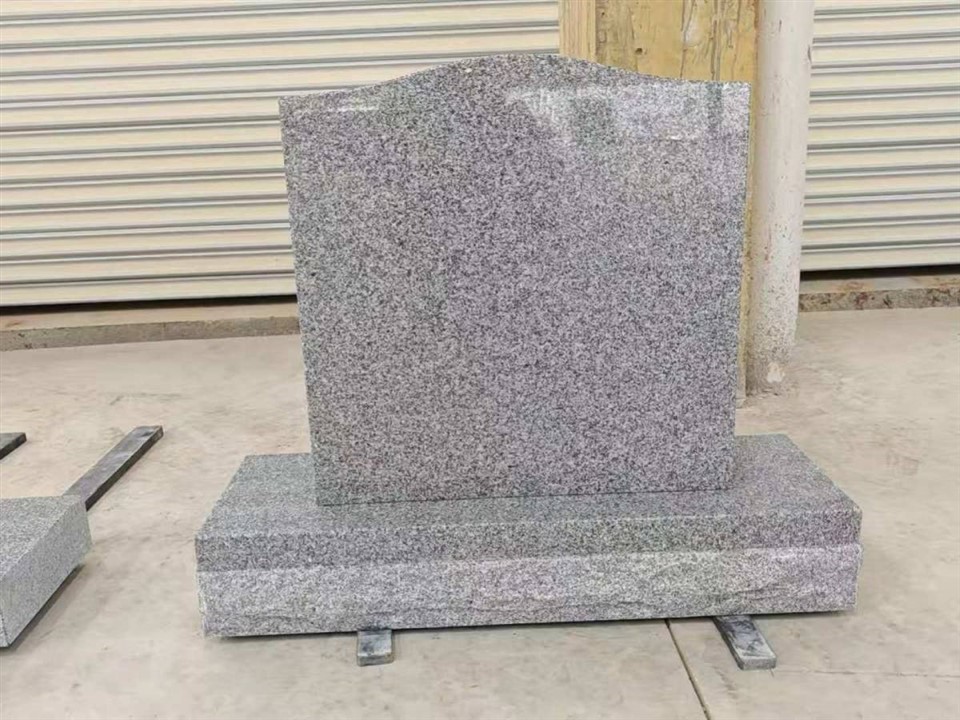
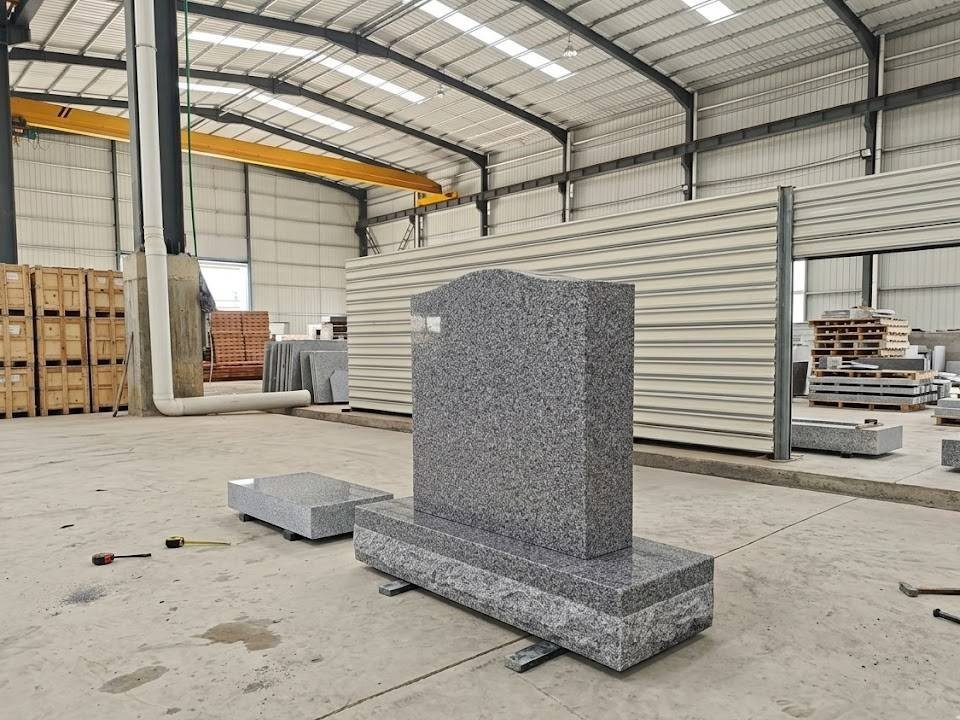
Granite Cleavage Planes Selection
You cannot successfully pitch just any random block of stone. Every igneous rock possesses internal grain directions, known to geologists and seasoned fabricators as cleavage planes (often referred to on the shop floor as the "rift" and "grain"). If a factory attempts to pitch a block against its natural grain, the immense hydraulic pressure will cause uncontrolled spalling. This results in ugly white stress marks, shattered polished faces, and ultimately, rejected pieces during quality control.
Our raw material procurement team specifically selects blocks with highly predictable, tight cleavage planes. By aligning the hydraulic jaws perfectly with the stone's internal geological grain during the setup phase, we ensure the rock-pitched granite edge breaks cleanly and crisply without compromising the core structure of the stone. This highly selective sourcing strategy is critical for maintaining high factory yield rates, preventing material waste, and protecting your wholesale profit margins.
Export Packaging for Rough Edges
Shipping fully polished, mathematically flat stones is a relatively straightforward logistics task, but irregular, jagged perimeters present a severe engineering challenge. The rough, protruding profiles of US upright headstones act as concentrated pressure points. If packed improperly, these sharp points will easily grind against and permanently scratch adjacent polished faces during the constant vibrations of ocean transit.
We engineer our export packaging specifically to neutralize the threat of these uneven profiles. We implement a strict face-to-face and back-to-back packing methodology, utilizing extra-thick, high-density PE foam to completely isolate the rough margins from touching anything else. Furthermore, every single custom granite monument is braced inside heavy-duty, ISPM-15 fumigated wooden crates using custom-cut timber blocks and heavy nylon banding. This locks the irregular shapes firmly in place, eliminating any lateral shifting inside the 20ft container and ensuring your inventory arrives in pristine, retail-ready condition.