

Stone Packaging and Shipping: Preventing Damage in International Transport
Feb 04, 2026
Leave a message
International stone transportation is one of the highest-risk stages in the supply chain. Even when stone products meet all quality standards at the factory, improper packaging or poor shipping practices can lead to breakage, surface damage, moisture staining, or edge chipping before arrival. For importers, developers, and distributors, understanding how different stone products should be packaged and shipped is essential to reducing claims, delays, and unexpected costs.
This article explains practical stone packaging and shipping protection strategies, with clear distinctions between quartz, granite, and tombstone products, and outlines how buyers can control risks during sea transport.
Why Stone Packaging Matters More Than Most Buyers Expect
Stone products are heavy, brittle, and sensitive to point pressure. Damage during transport is rarely caused by a single factor; instead, it usually results from a combination of:
- Inadequate internal support
- Incorrect pallet or crate structure
- Vibration and container movement during sea transit
- Moisture exposure or condensation
- Improper container loading and weight distribution
Once a container leaves the port, corrective actions are limited. That is why packaging standards and pre-shipment checks are as important as stone quality itself.
Packaging Differences by Stone Product Type
1. Quartz Products: Protecting Edges and Surface Integrity
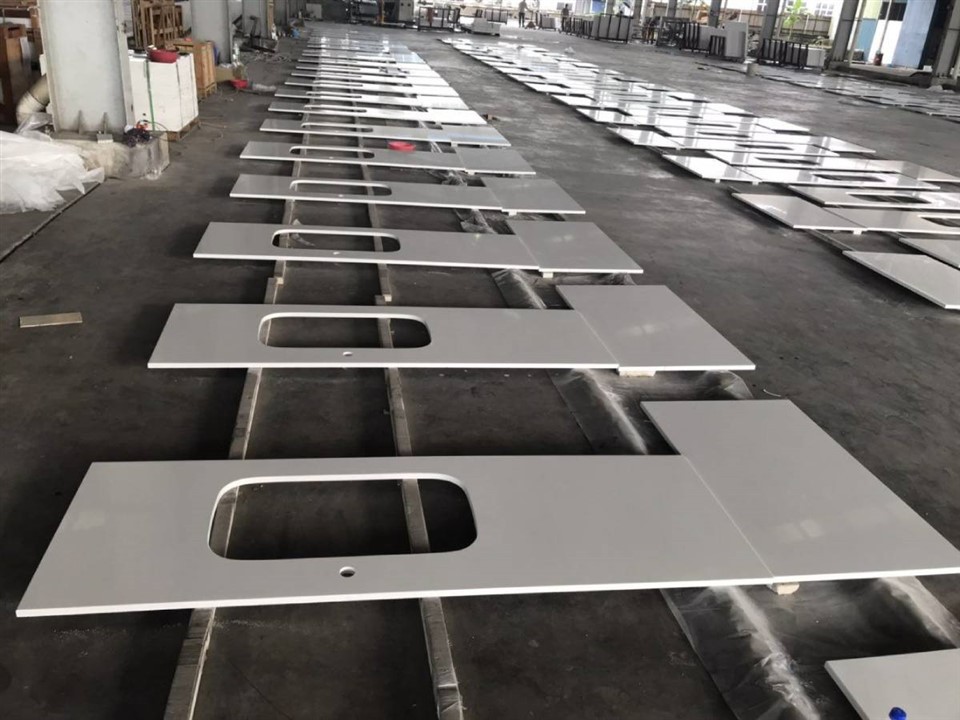
Quartz slabs and prefabricated quartz countertops are engineered materials with consistent density, but they remain vulnerable at edges, cutouts, and corners.
Key packaging practices for quartz:
- Vertical A-frame or steel rack packaging for slabs to reduce bending stress
- Foam sheets or EVA pads between slabs to prevent surface abrasion
- Edge protectors on all exposed sides, especially for prefabricated countertops
- Shrink wrapping or plastic film to limit dust and moisture contact
For prefab quartz countertops, special attention should be paid to:
- Sink cutouts and faucet holes
- Overhang sections
- Mitered or laminated edges
Poor edge protection is one of the most common causes of quartz damage during shipping.
2. Granite Slabs: Managing Weight and Natural Variability
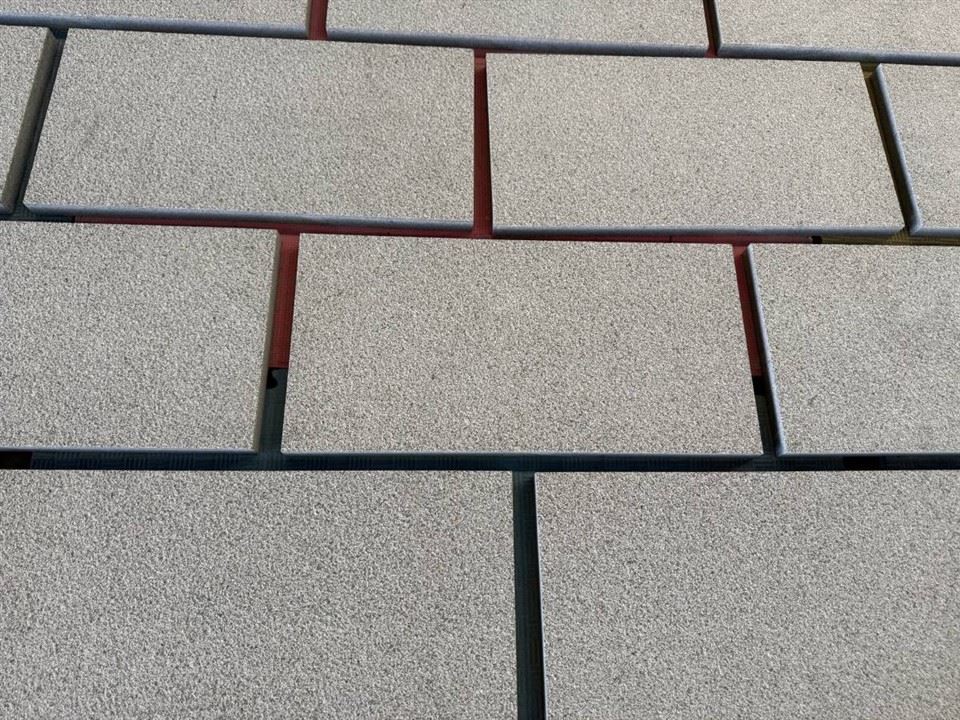
Granite slabs are heavier than quartz and may contain natural fissures or mineral variations. While structurally strong, granite is sensitive to impact stress and uneven load distribution.
Recommended granite packaging methods:
- Reinforced wooden A-frames or steel frames with strong base support
- Rubber or cork spacers between slabs to absorb vibration
- Tight strapping to prevent slab movement during container shifts
- Bottom reinforcement blocks to reduce pressure concentration
Because granite slabs vary in thickness and density, mixed-bundle packaging should be avoided unless carefully balanced.
3. Tombstone Products: Preventing Impact and Surface Damage
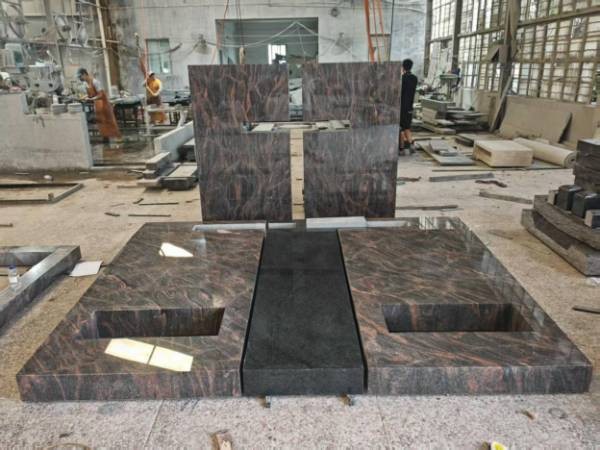
Tombstones are finished, three-dimensional stone products with polished faces, engraved areas, and sharp edges. Unlike slabs, they cannot rely on vertical stacking alone.
Best practices for tombstone packaging:
- Fully enclosed wooden crates, not open pallets
- Internal foam or wooden separators between individual pieces
- Face-to-face protection for polished surfaces
- Corner guards and base padding to prevent chipping
Monument components such as bases, headstones, and accessories should be packed separately but clearly labeled to avoid handling errors at destination ports.
Sea Freight Risks and How to Control Them
1. Vibration and Container Movement
Ocean transport involves constant vibration, especially on long routes. Even well-packed stone can be damaged if internal movement is not controlled.
Risk control measures:
Tight internal bracing inside crates
Anti-slip mats under pallets
Proper container blocking and bracing (CBB)
2. Moisture and Condensation
Humidity and temperature changes can cause condensation inside containers, leading to water stains or packaging degradation.
Effective solutions include:
Desiccant bags placed throughout the container
Moisture-resistant plastic wrapping
Avoiding direct contact between stone and container walls
3. Improper Container Loading
Incorrect weight distribution increases the risk of slab cracking and crate collapse.
Loading best practices:
Heavier items placed at the bottom and toward container walls
Balanced weight from front to rear
No empty vertical space that allows movement
Buyers should request container loading photos or videos as part of shipment documentation.
Pre-Shipment Inspection: A Buyer's Safety Net
Before shipping, a structured inspection can significantly reduce transport-related losses.
Key inspection checkpoints:
- Packaging structure integrity
- Correct labeling and orientation marks
- Edge and surface protection confirmation
- Crate sealing and strapping strength
Third-party or overseas factory inspections are especially valuable for first-time suppliers or large-volume orders.
Practical Advice for International Buyers
- Never evaluate stone suppliers based on product quality alone; packaging capability is equally critical
- Request detailed packaging specifications before order confirmation
- Align packaging standards with destination handling conditions
- Factor packaging quality into total landed cost, not just FOB pricing
A supplier that invests in proper stone packaging usually demonstrates stronger process control and long-term reliability.
Stone packaging and shipping protection is a technical discipline, not an afterthought. Quartz, granite, and tombstone products each require distinct packaging strategies to survive international transport safely. By understanding these differences and actively managing sea freight risks, buyers can significantly reduce damage rates, protect project timelines, and improve overall sourcing efficiency.
For long-distance stone trade, good packaging is not an added cost-it is insurance.