

How to Import Stone Products from China: A Step-by-Step Guide
Nov 07, 2025
Leave a message
China is one of the largest producers of natural and engineered stone in the world, making it a go-to destination for international buyers. However, successfully importing stone requires more than just picking a supplier-it demands clear planning, attention to quality, and understanding logistics. Below is a practical, step-by-step guide to help you import stone products from China efficiently.
1. Define Your Project Requirements
Before contacting suppliers, be very clear about what you need. This saves time, avoids misunderstandings, and ensures accurate quotes. Key points to clarify:
- Stone Type: Granite, marble, quartz, or artificial stone.
- Color and Pattern: Decide based on the project design. Request high-resolution photos of large slabs, not just small samples.
- Slab Size & Thickness: Standard slabs (e.g., 2cm, 3cm) or custom dimensions for counters, walls, or flooring.
- Quantity: Estimate the total volume. Bulk orders usually qualify for better pricing and shipping terms.
- Finish: Polished, honed, flamed, bush-hammered, or custom finishes.
A clear spec sheet with pictures, dimensions, and quantities can reduce errors later.
2. Find and Vet a Reliable Stone Supplier
Not all suppliers are equal. To avoid quality issues or shipment delays:
- Experience & Reputation: Prefer suppliers with verified export history and international clients.
- Factory Visit or Video: If possible, inspect the factory or ask for a live video tour to see slab stock, quality control, and packaging.
- Sample Verification: Always request a large sample or slab from the same batch you plan to order. Color and texture can vary even within the same product name.
- Communication: Timely and clear communication is critical. Suppliers should answer questions about grading, lot numbers, and delivery schedules.
Reliable suppliers reduce the risk of damaged slabs, mismatched colors, or unexpected delays.


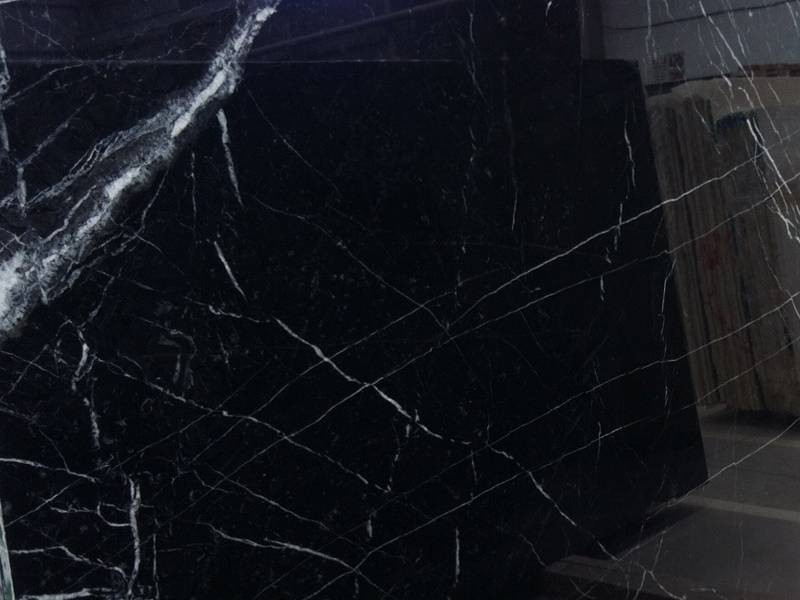
3. Request Detailed Quotations
When evaluating suppliers, ask for full quotations including:
- Price per slab or per cubic meter.
- Shipping cost to your port, including packaging and insurance.
- Lead time and delivery schedule.
- Minimum order quantities and payment terms.
Compare at least 2–3 suppliers. Don't automatically pick the cheapest-quality and service reliability are more important in stone procurement.
4. Understand Shipping and Export Logistics
Shipping stone internationally involves careful planning:
- Sea Freight: Most cost-effective for full container loads (FCL). Breakbulk or LCL (less than container load) is possible but increases handling risk.
- Air Freight: Only suitable for samples or urgent small shipments.
- Packaging: Wooden crates, foam padding, and waterproof wrap are essential. Ask suppliers to reinforce corners and edges, and clearly mark fragile slabs.
- Documentation: Commercial invoice, packing list, bill of lading, certificate of origin, and any import permits your country requires.
Ask your supplier to confirm all paperwork in advance; missing documents can cause delays or customs issues.
5. Inspect Upon Arrival
Receiving the shipment is not the end of the process. Always inspect the stone immediately:
- Check slab surfaces for cracks, chips, or defects.
- Verify color, veining, and finish against your approved samples.
- Count slabs and verify sizes against the order.
Document any issues with photos and report to the supplier promptly. Clear agreements on inspection and return/replacement policies prevent disputes.
6. Practical Tips for Smooth Procurement
- Build a trusted supplier list. Over time, you'll know which factories deliver consistent quality.
- For large projects, reserve slabs from the same batch to ensure color consistency.
- Include packaging and handling instructions in your contract. Many damages happen during port unloading.
- Consider quality control inspections in China before shipping. Third-party QC companies can check slabs for cracks, color uniformity, and finish.
Importing stone from China can save costs and give access to a wide variety of materials, but it requires careful planning, supplier vetting, and logistics management. By defining your requirements clearly, verifying supplier reliability, and inspecting shipments on arrival, you can reduce risks and ensure your project gets the right stone, on time and in perfect condition.
Working with experienced suppliers ensures that your granite, marble, quartz, or engineered stone not only meets aesthetic standards but also stands the test of time in construction or interior projects.