

Comparing Artificial Stone and Natural Stone for Large Projects
Nov 21, 2025
Leave a message
When planning large-scale construction projects, choosing the right stone material is critical for aesthetics, durability, and budget. Both natural stone (granite, marble, basalt) and artificial stone (engineered quartz, sintered stone, terrazzo) have their advantages and limitations. Understanding these differences can help architects, contractors, and project buyers make informed decisions.
1. Durability and Performance
Natural Stone
- Naturally formed over millions of years, offering exceptional hardness and long-term durability.
- Excellent for high-traffic areas such as commercial flooring, hotel lobbies, or outdoor facades.
- Susceptible to staining and scratches depending on type (e.g., marble is softer than granite).
- Requires proper sealing and maintenance for longevity.
Artificial Stone
- Engineered for consistency in color, pattern, and strength.
- More resistant to staining, water absorption, and UV fading compared to some natural stones.
- Can mimic natural stone patterns while offering more uniformity.
- Ideal for projects requiring exact matching across multiple panels or surfaces.
2. Cost and Budget Considerations
- Natural Stone: Prices vary widely depending on rarity, quarry location, and slab size. For large projects, sourcing multiple slabs with consistent color may increase cost.
- Artificial Stone: Typically more predictable in cost, especially for bulk orders. Manufacturing in large panels reduces waste and allows easier scaling for large developments.
3. Aesthetic Flexibility
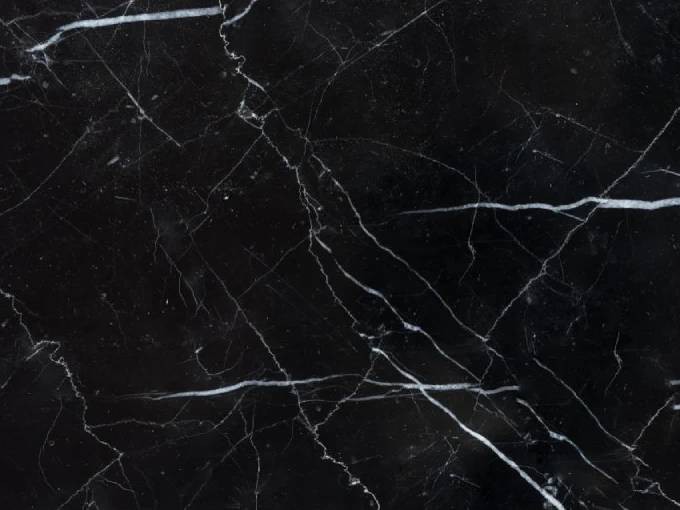
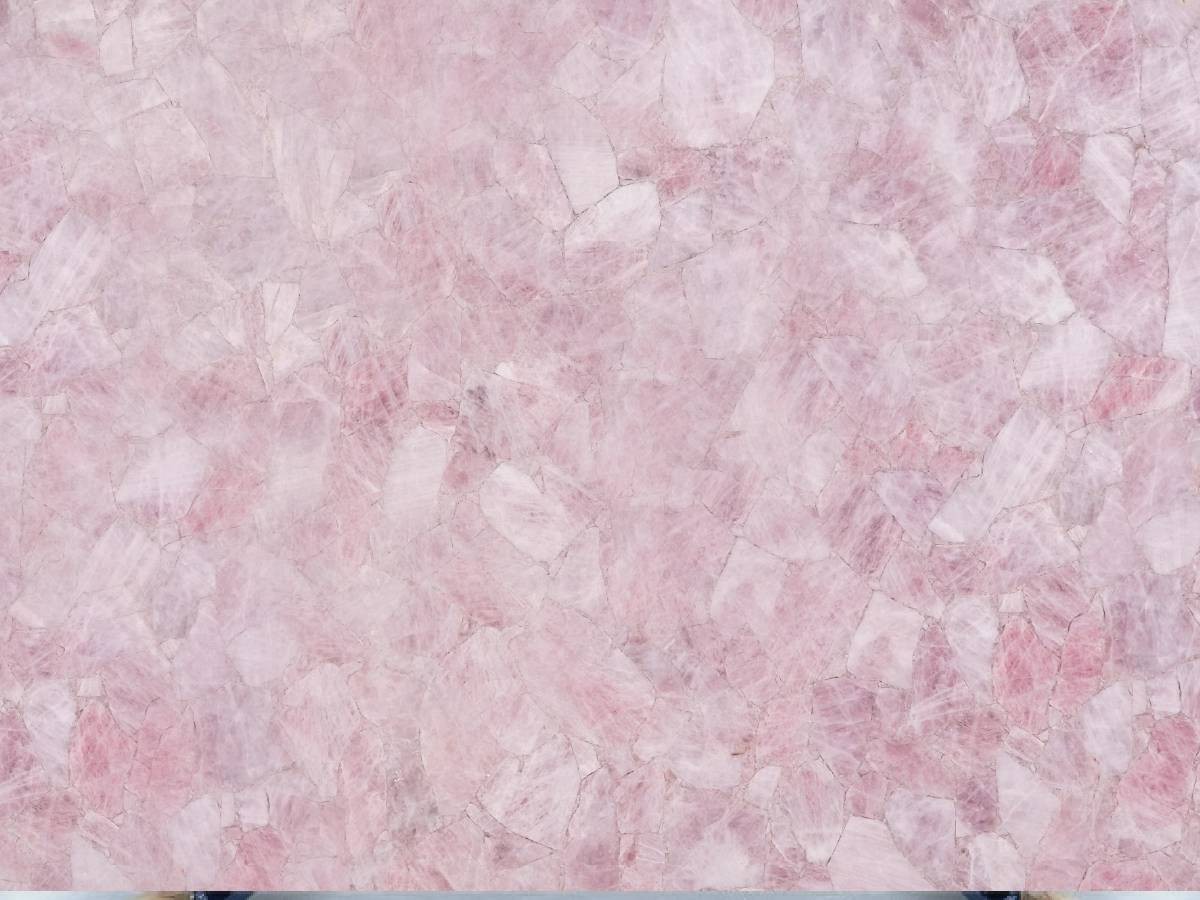
- Natural Stone: Each slab is unique. The natural variation can add character but requires careful planning to maintain visual harmony in large installations.
- Artificial Stone: Offers precise color control and repeatable patterns. Useful when a uniform appearance is desired across a hotel, mall, or corporate office project.
- Combining artificial stone and natural stone is also popular: natural stone for feature walls or accent areas, engineered stone for uniform surfaces like countertops and flooring.

4. Installation and Maintenance
- Natural Stone: Heavier, requiring careful handling and strong foundations. Installation must account for slab weight and structural support.
- Artificial Stone: Lighter and often available in larger panels, which can reduce installation time and labor costs.
- Maintenance: Artificial stone generally requires less sealing and is easier to clean, while natural stone may need periodic sealing and special care to avoid damage.
5. Sustainability and Sourcing
- Natural Stone: Environmentally friendly when quarried responsibly, but transportation and waste management can impact sustainability, especially for overseas projects.
- Artificial Stone: Can be manufactured with recycled materials and controlled energy consumption. Some engineered stones also minimize waste during production, which appeals to green building standards.
6. Choosing the Right Stone for Your Project
For large-scale commercial or residential projects, consider:
- Project scale and slab availability: Ensure enough material from the same batch for color consistency.
- Usage type: High-traffic or outdoor spaces may benefit from harder natural stones or engineered quartz.
- Design requirements: Feature walls may showcase natural stone, while uniform flooring can use engineered stone.
- Budget and timeline: Artificial stone often allows predictable costs and shorter lead times.
Both natural and artificial stones have a place in modern architecture. Natural stone brings authenticity, prestige, and unique beauty, while artificial stone offers consistency, durability, and budget predictability. By evaluating project needs, installation logistics, maintenance, and aesthetic goals, buyers and architects can create spaces that are both functional and visually stunning.
Choosing the right combination of materials can also enhance both efficiency and design impact in large projects.