

What type of sealer is best for Level 2 Granite?
Oct 22, 2025
Leave a message
Hey there! As a supplier of Level 2 Granite, I've been getting a ton of questions lately about the best type of sealer for this specific grade of granite. So, I thought I'd put together this blog post to share my knowledge and help you make an informed decision.
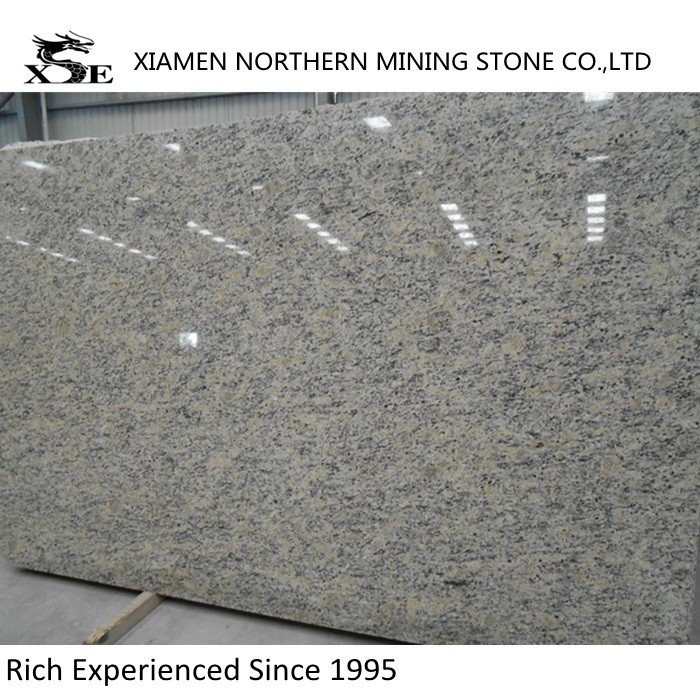
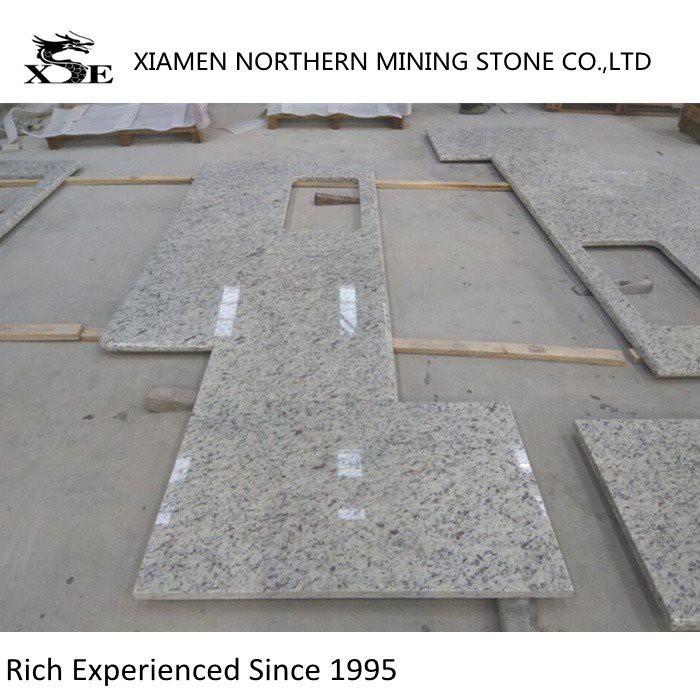
First off, let's talk a bit about Level 2 Granite. It's a popular choice for countertops, backsplashes, and other surfaces in both residential and commercial settings. Level 2 Granite offers a great balance between quality and affordability. It typically has a medium to high variation in color and pattern, giving your space a unique and eye - catching look. Some well - known examples of Level 2 Granite include Dallas White Granite Countertop, Santa Cecilia Light Granite, and Steel Grey Granite Slabs.
Now, why do you need a sealer for your Level 2 Granite? Granite is a porous natural stone. Even though Level 2 Granite is relatively durable, it can still absorb liquids like water, oil, and stains over time. A good sealer creates a protective barrier on the surface of the granite, preventing these liquids from seeping in and causing damage. It also makes the granite easier to clean and maintain, and can enhance its natural beauty.
There are several types of sealers available on the market, and each has its own pros and cons. Let's take a closer look at the most common ones.
Penetrating Sealers
Penetrating sealers are a popular choice for granite. They work by soaking into the pores of the granite and forming a protective layer below the surface. This type of sealer doesn't change the appearance of the granite, so it maintains its natural look. Penetrating sealers are great at preventing water and oil stains, and they're relatively easy to apply.
One of the main advantages of penetrating sealers is their long - lasting protection. Depending on the quality of the sealer and the amount of use the granite gets, a penetrating sealer can last anywhere from 1 to 5 years. However, they do require some maintenance. You'll need to re - seal the granite periodically to keep it protected.
When choosing a penetrating sealer, look for one that is specifically formulated for granite. Some sealers are designed for other types of stone, and they may not work as well on granite. Also, make sure to follow the manufacturer's instructions carefully when applying the sealer.
Topical Sealers
Topical sealers form a thin layer on the surface of the granite. They can give the granite a shiny or glossy finish, which some people really like. Topical sealers are also effective at preventing stains, but they're not as good at protecting against scratches as penetrating sealers.
One of the downsides of topical sealers is that they tend to wear off more quickly than penetrating sealers. You may need to re - apply a topical sealer every 6 months to a year, depending on the usage. Another issue is that if the sealer starts to wear off unevenly, it can make the granite look patchy.
However, topical sealers are often easier to apply than penetrating sealers, especially for beginners. They can also be a good option if you want to give your granite a more polished look.
Hybrid Sealers
Hybrid sealers combine the features of penetrating and topical sealers. They penetrate the pores of the granite for long - lasting protection, and they also form a thin surface layer for added stain resistance and a nice finish. Hybrid sealers offer the best of both worlds, but they can be a bit more expensive than the other types of sealers.
These sealers usually provide good protection against both water and oil stains, and they can enhance the natural color and pattern of the granite. They also tend to be more durable than topical sealers, but may not last as long as some high - quality penetrating sealers.
Choosing the Best Sealer for Your Level 2 Granite
So, which type of sealer is best for your Level 2 Granite? Well, it depends on a few factors.
Usage: If your granite is in a high - traffic area, like a kitchen countertop, you'll want a sealer that offers long - lasting protection. Penetrating or hybrid sealers are probably your best bet. If the granite is in a less - used area, like a bathroom vanity, a topical sealer might be sufficient.
Appearance: If you want to maintain the natural look of your granite, a penetrating sealer is the way to go. If you prefer a shiny or glossy finish, a topical or hybrid sealer could be a better choice.
Budget: Penetrating sealers are generally more cost - effective in the long run, even though they may be a bit more expensive upfront. Topical sealers are usually cheaper, but you'll need to re - apply them more often. Hybrid sealers are the most expensive option, but they offer a good balance of protection and appearance.
Applying the Sealer
Once you've chosen the right sealer for your Level 2 Granite, it's important to apply it correctly. Here are the basic steps:
- Clean the Granite: Before applying the sealer, make sure the granite is clean and dry. Use a mild granite cleaner to remove any dirt, grease, or stains. Rinse the granite thoroughly and let it dry completely.
- Test the Sealer: It's a good idea to test the sealer on a small, inconspicuous area of the granite first. This will help you see how the sealer affects the appearance of the granite and make sure it doesn't cause any discoloration.
- Apply the Sealer: Follow the manufacturer's instructions for applying the sealer. Most sealers are applied with a clean, soft cloth or a sprayer. Make sure to apply the sealer evenly over the entire surface of the granite.
- Let the Sealer Dry: After applying the sealer, let it dry for the recommended amount of time. This can range from a few hours to a full day, depending on the type of sealer.
- Buff the Surface: Once the sealer is dry, you can buff the surface of the granite with a clean, soft cloth to remove any excess sealer and give it a nice shine.
Maintenance
Even with a good sealer, your Level 2 Granite will still need some maintenance. Here are some tips:
- Clean Regularly: Use a mild granite cleaner to clean the granite regularly. Avoid using harsh chemicals or abrasive cleaners, as they can damage the sealer and the granite.
- Wipe up Spills Immediately: If you spill something on the granite, wipe it up right away. This will prevent the liquid from soaking into the granite and causing a stain.
- Re - seal Periodically: Depending on the type of sealer you used, you'll need to re - seal the granite every 6 months to 5 years. Check the manufacturer's recommendations for the best re - sealing schedule.
In conclusion, choosing the right sealer for your Level 2 Granite is an important decision. Whether you go for a penetrating, topical, or hybrid sealer, make sure it suits your needs in terms of usage, appearance, and budget. By applying the sealer correctly and maintaining your granite properly, you can keep it looking beautiful for years to come.
If you're in the market for Level 2 Granite or have any questions about sealers, don't hesitate to reach out. We're here to help you make the best choices for your project. Contact us to start a conversation about your granite needs and let's work together to create the perfect space.
References
- "Granite Countertop Care and Maintenance Guide" by Stone World Magazine
- "Sealing Natural Stone" by the Marble Institute of America