

What is the water absorption rate of quartz slabs?
Aug 07, 2025
Leave a message
What is the water absorption rate of quartz slabs?
As a seasoned supplier of Quartz Slabs, I've encountered numerous inquiries regarding the water absorption rate of these remarkable materials. Understanding this crucial aspect is essential for anyone considering quartz slabs for their residential or commercial projects. In this blog post, I'll delve into the concept of water absorption rate, its significance, and how it pertains to quartz slabs.
Defining Water Absorption Rate
The water absorption rate is a measure of the amount of water a material can absorb when immersed in water for a specified period. It is typically expressed as a percentage of the material's dry weight. This rate is a critical indicator of a material's durability, resistance to staining, and overall performance in various environments.
Why Water Absorption Rate Matters
A low water absorption rate is highly desirable in building materials, especially for applications where exposure to moisture is common. Materials with high water absorption rates are more prone to damage from water, such as cracking, warping, and the growth of mold and mildew. They are also more likely to stain, as water can carry dirt and other contaminants into the material's pores.
In the case of quartz slabs, a low water absorption rate means that the slabs are less likely to absorb liquids, making them highly resistant to stains from common household substances like coffee, wine, and oil. This makes quartz slabs an excellent choice for kitchen countertops, bathroom vanities, and other areas where spills are likely to occur.
Water Absorption Rate of Quartz Slabs
Quartz slabs are engineered materials composed of approximately 90-94% natural quartz crystals, combined with resins and pigments. This composition gives quartz slabs their exceptional strength, durability, and low water absorption rate.
On average, the water absorption rate of quartz slabs is less than 0.02%. This is significantly lower than other popular countertop materials, such as granite (which typically has a water absorption rate of 0.2-1.0%) and marble (which can have a water absorption rate of up to 2.0%). The low water absorption rate of quartz slabs makes them highly resistant to water damage and staining, making them a popular choice for both residential and commercial applications.
Factors Affecting Water Absorption Rate
While the composition of quartz slabs generally results in a low water absorption rate, there are several factors that can affect this rate. These include:
- Quality of the Quartz: The quality of the quartz used in the manufacturing process can have a significant impact on the water absorption rate of the slabs. Higher-quality quartz typically has fewer impurities and a more uniform structure, resulting in a lower water absorption rate.
- Manufacturing Process: The manufacturing process used to produce the quartz slabs can also affect the water absorption rate. Slabs that are manufactured using advanced techniques and high-quality equipment are more likely to have a lower water absorption rate.
- Surface Finish: The surface finish of the quartz slabs can also affect the water absorption rate. Slabs with a polished finish typically have a lower water absorption rate than slabs with a honed or textured finish, as the polished surface is smoother and less porous.
Testing the Water Absorption Rate
To ensure the quality and performance of our quartz slabs, we conduct rigorous testing to determine their water absorption rate. This testing is typically performed in accordance with international standards, such as ASTM C97-16 (Standard Test Methods for Water Absorption, Bulk Density, Apparent Porosity, and Apparent Specific Gravity of Dimension Stone).
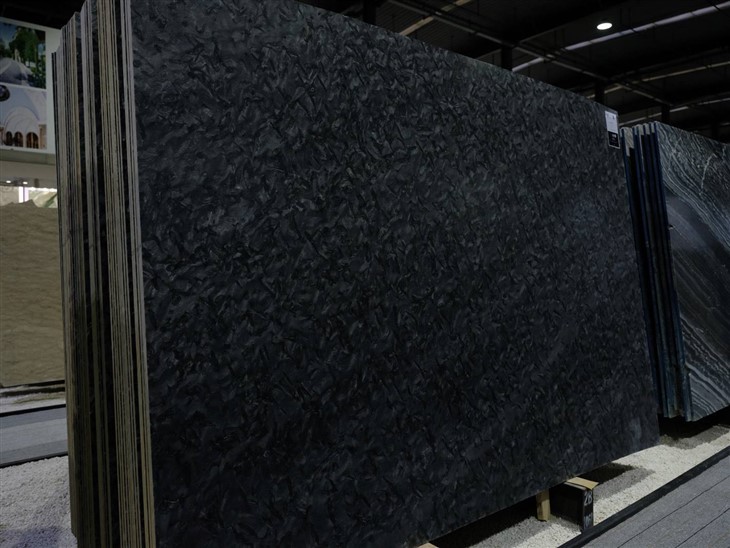
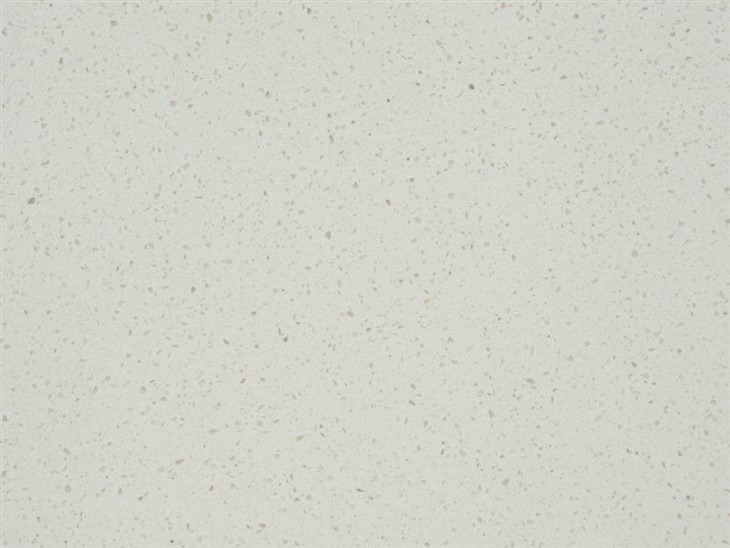
During the testing process, a sample of the quartz slab is weighed and then immersed in water for a specified period. After the immersion period, the sample is removed from the water, dried, and weighed again. The difference in weight before and after immersion is used to calculate the water absorption rate.
Applications of Quartz Slabs with Low Water Absorption Rate
The low water absorption rate of quartz slabs makes them suitable for a wide range of applications, including:
- Kitchen Countertops: Quartz slabs are a popular choice for kitchen countertops due to their durability, resistance to stains, and low maintenance requirements. The low water absorption rate ensures that the countertops are less likely to absorb liquids, making them easy to clean and maintain.
- Bathroom Vanities: In bathrooms, quartz slabs are an excellent choice for vanities as they are resistant to water damage and staining. The low water absorption rate also makes them less likely to develop mold and mildew, ensuring a clean and hygienic environment.
- Commercial Spaces: Quartz slabs are also widely used in commercial spaces, such as restaurants, hotels, and offices. Their durability and resistance to stains make them ideal for high-traffic areas where spills and wear are common.
Conclusion
In conclusion, the water absorption rate of quartz slabs is a crucial factor to consider when choosing a countertop material. With a low water absorption rate of less than 0.02%, quartz slabs offer exceptional durability, resistance to staining, and low maintenance requirements. Whether you're looking for a kitchen countertop, bathroom vanity, or commercial flooring solution, quartz slabs are an excellent choice.
If you're interested in learning more about our Brazilian Black Quartz Slabs, Thin Quartz Slab, or White Quartz Slab, or if you have any questions about the water absorption rate of our products, please don't hesitate to contact us. We'd be happy to assist you with your project and provide you with the information you need to make an informed decision.
References
- ASTM C97-16. Standard Test Methods for Water Absorption, Bulk Density, Apparent Porosity, and Apparent Specific Gravity of Dimension Stone. American Society for Testing and Materials.