

What is the resistance of Calacatta Quartz Slabs to UV rays?
Jan 02, 2026
Leave a message
Hey there! As a supplier of Calacatta Quartz Slabs, I often get asked about the resistance of these slabs to UV rays. It's a crucial question, especially for those who plan to use these slabs in areas exposed to sunlight. So, let's dive right in and explore this topic.
What are Calacatta Quartz Slabs?
First off, let's briefly talk about what Calacatta Quartz Slabs are. They're engineered stone slabs that mimic the look of natural Calacatta marble. These slabs are made by combining about 90 - 93% natural quartz crystals with polymers and pigments. The result is a durable, low - maintenance surface that's highly popular in kitchens, bathrooms, and even commercial spaces like Quartz Slabs Hotel Lobbies.
Why UV Resistance Matters
UV rays from the sun can have a significant impact on materials. They can cause fading, discoloration, and in some cases, even structural damage over time. When it comes to Calacatta Quartz Slabs, understanding their UV resistance is essential for both indoor and outdoor applications.
For indoor use, sunlight can still filter through windows and reach surfaces. If a slab isn't UV - resistant, you might notice the color starting to fade or change after a few years. This is a big no - no, especially in high - end residential or commercial settings where aesthetics are key.
For outdoor applications, the stakes are even higher. The slabs are directly exposed to the sun's harsh UV rays all day long. Without proper UV resistance, the slabs could quickly become unsightly, losing their luster and original color.
The UV Resistance of Calacatta Quartz Slabs
Calacatta Quartz Slabs are generally known for their excellent UV resistance. The pigments used in the manufacturing process are carefully selected to withstand UV exposure. The polymers that bind the quartz crystals together also play a role in protecting the slab from UV damage.
Most high - quality Calacatta Quartz Slabs are designed to resist fading and discoloration for a long time. In fact, many manufacturers conduct UV exposure tests to ensure that their slabs meet certain standards. These tests involve exposing the slabs to intense UV light for extended periods to simulate years of real - world sunlight exposure.
However, it's important to note that not all Calacatta Quartz Slabs are created equal. The quality of the raw materials, the manufacturing process, and the specific formulation of the pigments can all affect the UV resistance of the slabs. As a supplier, I always recommend choosing slabs from reputable manufacturers who have a proven track record of producing UV - resistant products.
Factors Affecting UV Resistance
Raw Materials
The quality of the quartz crystals and the pigments used in the slabs can make a big difference. High - purity quartz crystals are more stable and less likely to be affected by UV rays. Similarly, high - quality pigments are formulated to be more resistant to fading.
Manufacturing Process
The way the slabs are made also matters. A well - controlled manufacturing process ensures that the pigments are evenly distributed throughout the slab and that the polymers form a strong, protective bond with the quartz crystals. If the manufacturing process is flawed, the UV resistance of the slabs may be compromised.
Thickness of the Slab
Thicker slabs generally have better UV resistance. This is because the outer layer of the slab acts as a shield, protecting the inner layers from UV damage. However, this doesn't mean that thinner slabs are completely useless. They can still be used in areas with less direct sunlight.
Comparing with Other Quartz Slabs
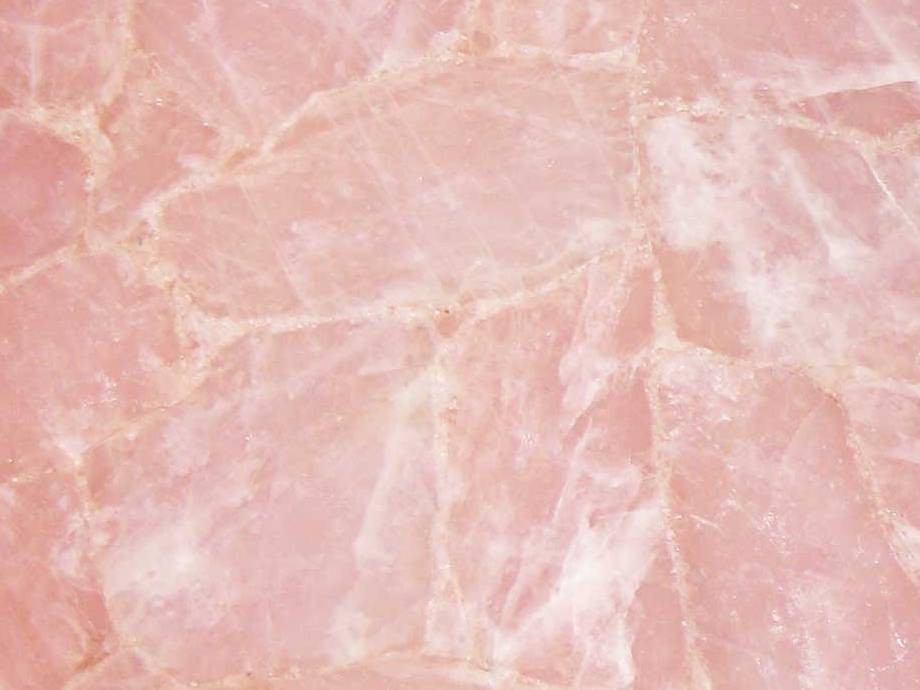
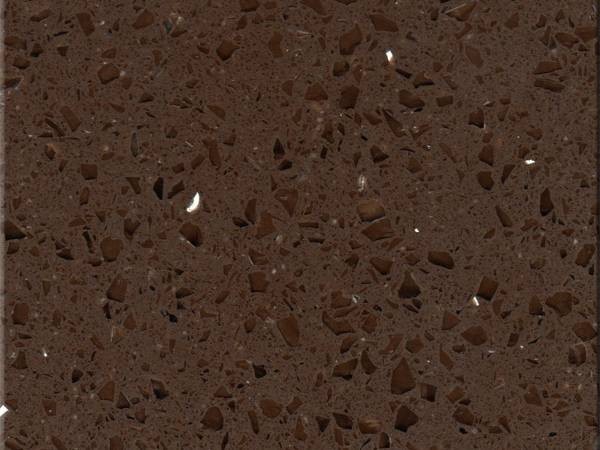
When it comes to UV resistance, Calacatta Quartz Slabs are on par with or even better than many other types of quartz slabs. For example, Brown Quartz Slab and Rose Quartz Slabs also have good UV resistance, but the specific performance may vary depending on their color and formulation.
Darker - colored slabs, like brown quartz, may absorb more heat from the sun, which could potentially increase the risk of damage over time. On the other hand, lighter - colored slabs, like Calacatta Quartz, tend to reflect more sunlight and are generally more resistant to heat - related damage.
Real - World Applications
In real - world applications, Calacatta Quartz Slabs have proven to be a reliable choice for areas exposed to sunlight. In residential kitchens with large windows, the slabs maintain their color and appearance for years. In commercial settings, such as hotel lobbies or outdoor cafes, the slabs can withstand the constant sunlight without showing significant signs of wear or discoloration.
However, it's still a good idea to take some precautions. For outdoor applications, consider using a UV - protective coating on the slabs. This can provide an extra layer of protection and extend the lifespan of the slabs.
Conclusion and Call to Action
So, there you have it! Calacatta Quartz Slabs are a great choice when it comes to UV resistance. They offer a beautiful, durable, and low - maintenance solution for both indoor and outdoor applications.
If you're in the market for high - quality Calacatta Quartz Slabs or have any questions about their UV resistance, don't hesitate to reach out. We're here to help you make the right choice for your project. Whether it's a small kitchen renovation or a large - scale commercial development, we've got the slabs you need.
References
- "Quartz Countertop Guide" - A comprehensive guide on quartz countertops and their properties.
- Manufacturer datasheets for Calacatta Quartz Slabs, which provide detailed information on UV resistance and other technical specifications.