

What is the porosity of Volakas White Marble?
Dec 10, 2025
Leave a message
Porosity is a crucial physical property of marble that affects its performance, durability, and aesthetic appearance. As a trusted supplier of Volakas White Marble, understanding the porosity of this exquisite natural stone is essential for providing customers with the best advice and guidance. In this blog post, we will delve into the concept of porosity, explore how it is measured, and discuss its significance in the context of Volakas White Marble.
What is porosity?
Porosity refers to the measure of the void spaces or pores within a material. These pores can be microscopic or macroscopic and can vary in size, shape, and distribution. In the case of marble, porosity is determined by the amount of open space between the mineral grains that make up the rock. A high porosity means that the marble has a large number of pores, while a low porosity indicates fewer pores.
The porosity of marble is influenced by several factors, including its mineral composition, geological history, and the presence of impurities. For example, marble that contains a higher proportion of calcite tends to have a lower porosity compared to marble with a higher proportion of dolomite. Additionally, marble that has undergone more intense geological processes, such as folding or faulting, may have a higher porosity due to the formation of fractures and cracks.
Measuring the porosity of Volakas White Marble
There are several methods for measuring the porosity of marble, each with its own advantages and limitations. One of the most common methods is the water absorption test. In this test, a sample of marble is first dried in an oven to remove any moisture. The dry weight of the sample is then measured. The sample is then immersed in water for a specified period of time, typically 24 hours. After the immersion period, the sample is removed from the water, and any excess water on the surface is wiped off. The wet weight of the sample is then measured.
The water absorption of the marble sample is calculated by dividing the difference between the wet weight and the dry weight by the dry weight and multiplying by 100 to express the result as a percentage. The water absorption percentage is a measure of the porosity of the marble, with a higher percentage indicating a higher porosity.
Another method for measuring the porosity of marble is the mercury intrusion porosimetry (MIP) method. In this method, a sample of marble is placed in a chamber, and mercury is forced into the pores of the sample under high pressure. The amount of mercury that is intruded into the sample is measured, and the pore size distribution of the marble can be determined based on the pressure required to intrude the mercury into the pores.
Significance of porosity in Volakas White Marble
The porosity of Volakas White Marble has several implications for its use in various applications. Here are some of the key considerations:
Stain resistance
Marble with a low porosity is generally more resistant to staining than marble with a high porosity. This is because the pores in the marble can act as channels for liquids to penetrate the surface and cause staining. Volakas White Marble, with its relatively low porosity, is less likely to absorb stains from spills, making it a good choice for applications where stain resistance is important, such as kitchen countertops and bathroom vanities.
Durability
The porosity of marble can also affect its durability. Marble with a high porosity is more likely to absorb water, which can lead to damage over time. When water freezes and thaws within the pores of the marble, it can cause the stone to crack and break. Additionally, the presence of water in the pores can promote the growth of bacteria and fungi, which can further damage the marble. Volakas White Marble, with its low porosity, is more resistant to water damage and is therefore more durable in the long run.
Aesthetic appearance
The porosity of marble can also have an impact on its aesthetic appearance. Marble with a high porosity may have a more porous or rough surface, which can affect its shine and smoothness. Volakas White Marble, with its low porosity, has a smooth and shiny surface that enhances its natural beauty and elegance.
Comparison with other types of marble
To better understand the porosity of Volakas White Marble, it is helpful to compare it with other types of marble. Here are some examples of popular types of marble and their typical porosity levels:
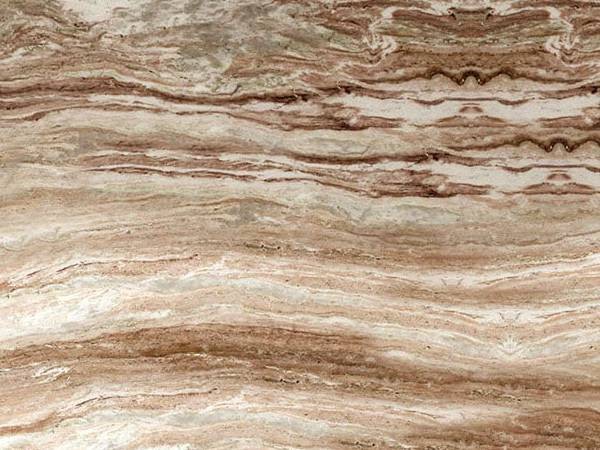
- Brown Marble Slab: Brown Marble Slab generally has a moderate to high porosity. This can make it more susceptible to staining and water damage compared to Volakas White Marble. However, its unique brown color and veining patterns make it a popular choice for many applications.
- Fantasy Brown Marble Slab: Fantasy Brown Marble Slab has a similar porosity level to brown marble, with a moderate to high porosity. It is known for its beautiful color variations and unique veining, which can add a touch of elegance to any space.
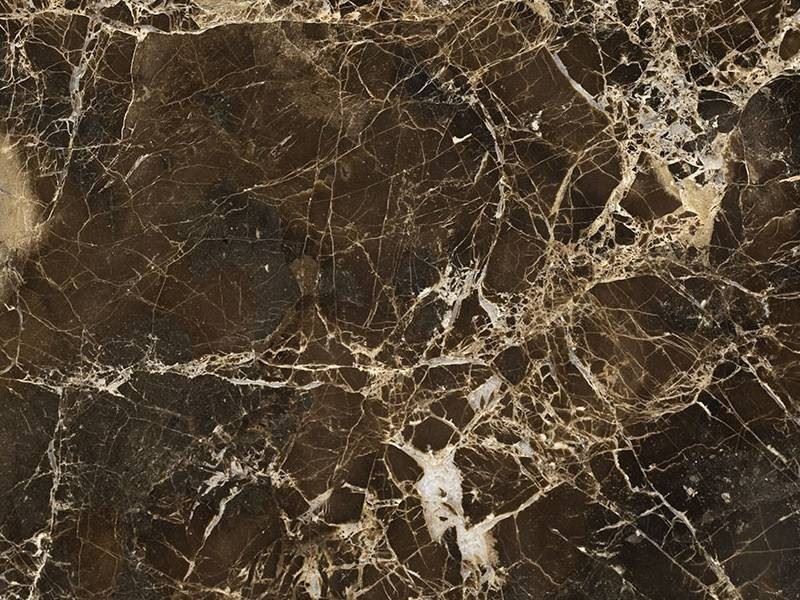
- Emperador Dark Marble Slab: Emperador Dark Marble Slab typically has a relatively low porosity. This makes it a good choice for applications where durability and stain resistance are important. Its dark color and rich texture make it a popular choice for high-end projects.
Maintaining Volakas White Marble
Regardless of its low porosity, proper maintenance is essential to ensure the longevity and beauty of Volakas White Marble. Here are some tips for maintaining Volakas White Marble:
- Sealing: Although Volakas White Marble has a low porosity, it is still recommended to seal the surface periodically to enhance its stain resistance. Use a high-quality marble sealer and follow the manufacturer's instructions for application.
- Cleaning: Use a mild, pH-neutral cleaner specifically designed for marble to clean the surface of the Volakas White Marble. Avoid using abrasive cleaners or scrubbing pads, as they can scratch the surface of the marble.
- Spill cleanup: Wipe up spills immediately to prevent them from penetrating the surface of the marble. For stubborn stains, use a poultice made of a mixture of baking soda and water. Apply the poultice to the stain, cover it with plastic wrap, and let it sit for several hours or overnight. Then, remove the poultice and rinse the area with clean water.
Why choose Volakas White Marble from us?
As a leading supplier of Volakas White Marble, we offer a wide range of high-quality marble products to meet the needs of our customers. Here are some reasons why you should choose Volakas White Marble from us:
- Quality assurance: We source our Volakas White Marble from the best quarries and ensure that it meets the highest quality standards. Our marble is carefully inspected and tested to ensure its durability, beauty, and performance.
- Variety of options: We offer a variety of Volakas White Marble products, including tiles, slabs, and custom-made pieces. Whether you are looking for a classic look or a more modern design, we have the perfect marble solution for you.
- Expert advice: Our team of experts is available to provide you with professional advice and guidance on the selection, installation, and maintenance of Volakas White Marble. We can help you choose the right marble product for your specific needs and ensure that it is installed correctly.
- Competitive pricing: We offer competitive pricing on all our Volakas White Marble products without compromising on quality. We believe that everyone should have access to high-quality marble at an affordable price.
Contact us for procurement and洽谈
If you are interested in purchasing Volakas White Marble or have any questions about our products, please feel free to contact us. We would be happy to discuss your requirements and provide you with a detailed quote. Our team is dedicated to providing you with the best service and support, and we look forward to working with you on your next project.
References
- Council, N. (2018). "Stone On-Site: A Smart Guide for Building Designers, Constructors, Owners, and Specifiers". National Building Stone Council.
- ASTM International. (2019). "Standard Test Methods for Absorption and Bulk Specific Gravity of Dimension Stone". ASTM C 97/C 97M - 19.
- Viles, H. A., & Goudie, A. S. (2003). "Bio deterioration of Stone: Interactions between Biodeterioration and Bioprotection". Geological Society, London, Special Publications.