

What is the porosity of granite?
Jul 18, 2025
Leave a message
Porosity refers to the ratio of the volume of pores in a material to its total volume, typically expressed as a percentage. Understanding the porosity of granite is crucial for a variety of reasons, especially for those in the stone industry. As a granite supplier, I've seen firsthand how porosity can impact the performance and suitability of granite for different applications. In this blog post, I'll delve into what porosity is, how it affects granite, and why it matters in the context of our business.
Granite is an igneous rock formed from the slow crystallization of magma deep beneath the Earth's surface. It is composed mainly of quartz, feldspar, and mica, which give it its characteristic appearance and durability. However, despite its solid and dense nature, granite still contains small pores and voids. These pores can vary in size, shape, and distribution, depending on factors such as the granite's formation process, mineral composition, and geological history.
The porosity of granite can have a significant impact on its physical and chemical properties. For example, a granite with high porosity is more likely to absorb liquids, such as water, oil, and stains. This can make it more susceptible to damage from moisture, which can lead to cracking, discoloration, and other forms of deterioration over time. On the other hand, a granite with low porosity is more resistant to staining and moisture damage, making it a better choice for applications where durability and longevity are important, such as countertops, flooring, and exterior cladding.
Another important factor to consider when evaluating the porosity of granite is its permeability. Permeability refers to the ability of a material to allow fluids to pass through it. A granite with high porosity may not necessarily have high permeability, as the pores may be isolated or poorly connected. However, in general, a granite with high porosity is more likely to be permeable, which can increase the risk of water penetration and damage.
So, how do we measure the porosity of granite? There are several methods available, each with its own advantages and limitations. One common method is the water absorption test, which involves weighing a sample of granite before and after soaking it in water for a specified period of time. The difference in weight is then used to calculate the percentage of water absorbed by the granite, which is a measure of its porosity. Another method is the mercury intrusion porosimetry, which involves forcing mercury into the pores of the granite under high pressure and measuring the volume of mercury that is absorbed. This method can provide detailed information about the pore size distribution and connectivity of the granite, but it is more complex and expensive than the water absorption test.
As a granite supplier, we take the porosity of our products very seriously. We carefully select our granite from quarries around the world, based on its quality, durability, and aesthetic appeal. We also conduct thorough testing on all of our granite samples to ensure that they meet our strict standards for porosity and other physical and chemical properties. This allows us to offer our customers a wide range of high-quality granite products that are suitable for a variety of applications.

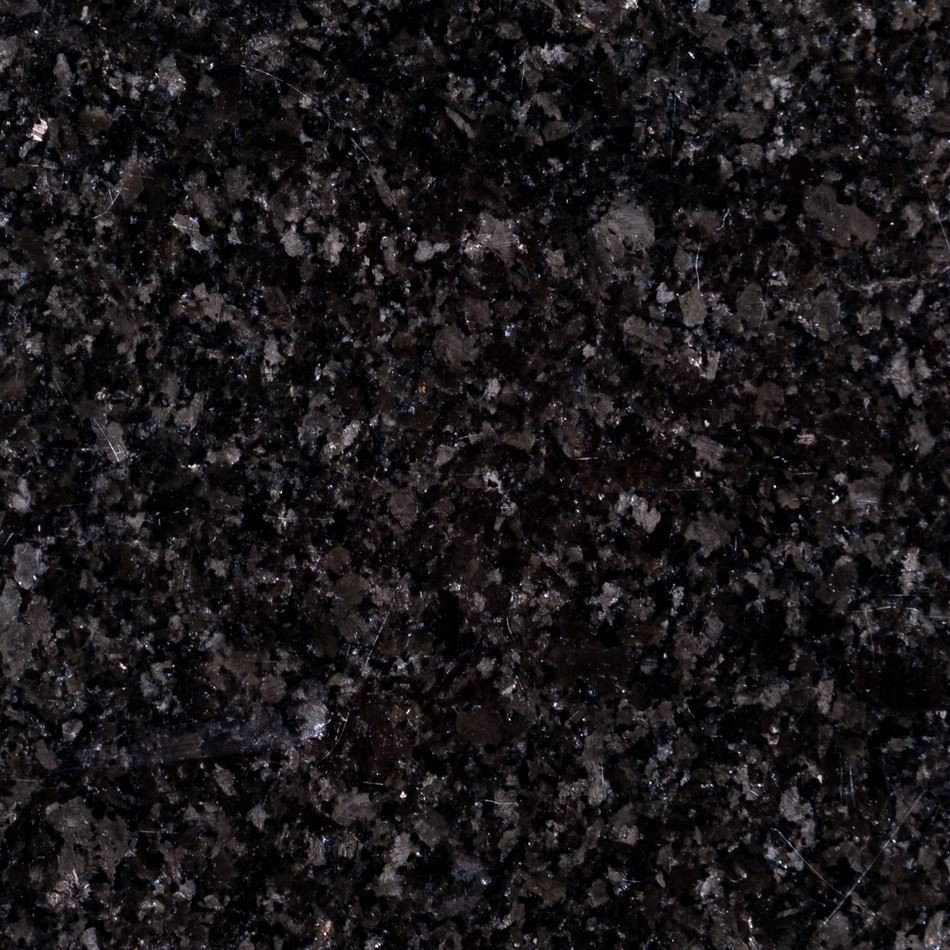
One of the most popular types of granite that we offer is Absolute Black. This granite is known for its deep, rich black color and its low porosity, which makes it highly resistant to staining and moisture damage. It is a popular choice for countertops, flooring, and other interior applications, as well as for exterior cladding and landscaping.
Another type of granite that we offer is Leone Black Diamond. This granite is characterized by its unique diamond-like pattern and its high durability. It has a low porosity and is resistant to scratching, chipping, and staining, making it a great choice for high-traffic areas and outdoor applications.
In conclusion, the porosity of granite is an important factor to consider when selecting a granite product for your project. It can have a significant impact on the performance, durability, and aesthetic appeal of the granite, as well as on its maintenance requirements. By understanding the porosity of granite and how it affects its properties, you can make an informed decision about which type of granite is best suited for your needs. If you have any questions or would like to learn more about our granite products, please don't hesitate to contact us. We'd be happy to assist you with your selection and provide you with more information about our products and services.
References
- ASTM C97 - Standard Test Methods for Water Absorption, Bulk Density, Apparent Porosity, and Apparent Specific Gravity of Dimension Stone
- Callister, W. D., & Rethwisch, D. G. (2010). Materials Science and Engineering: An Introduction. John Wiley & Sons.
- Deer, W. A., Howie, R. A., & Zussman, J. (1992). Rock-Forming Minerals. Longman Scientific & Technical.