

What is the flexural strength of Hubei G603 Granite Tiles?
Jul 28, 2025
Leave a message
As a supplier of Hubei G603 Granite Tiles, I often get asked about the flexural strength of these tiles. Flexural strength is a crucial property when it comes to using granite tiles in various applications, as it determines the tile's ability to withstand bending forces without breaking. In this blog post, I'll delve into what flexural strength means, how it's measured, and specifically, the flexural strength of Hubei G603 Granite Tiles.
Understanding Flexural Strength
Flexural strength, also known as bending strength, is the maximum stress that a material can withstand while being bent before it fractures. In the context of granite tiles, flexural strength is an important consideration because tiles are often subjected to bending forces in real - world applications. For example, when a tile is installed on a floor, it may experience bending due to the weight of people walking on it or the movement of furniture. If the flexural strength of the tile is too low, it may crack or break under these forces.
The flexural strength of a material is typically measured using a three - point or four - point bending test. In a three - point bending test, a sample of the material is placed on two supports, and a load is applied at the center of the sample. The load is gradually increased until the sample breaks, and the flexural strength is calculated based on the maximum load and the dimensions of the sample.
Hubei G603 Granite Tiles: An Overview
Hubei G603 Granite Tiles are a popular choice in the construction and decoration industry. These tiles are quarried in Hubei province, China, and are known for their beautiful white color with fine black and gray speckles. They are widely used for interior and exterior applications, such as flooring, wall cladding, countertops, and more.
The beauty of Hubei G603 Granite Tiles is not the only reason for their popularity. They also offer good physical and mechanical properties, including high hardness, abrasion resistance, and chemical stability. And of course, their flexural strength is an important factor that contributes to their suitability for various applications.
Flexural Strength of Hubei G603 Granite Tiles
The flexural strength of Hubei G603 Granite Tiles typically ranges from 10 - 15 MPa (megapascals). This value can vary depending on several factors, such as the specific quarry location, the cutting and processing methods, and the size and thickness of the tiles.
A flexural strength of 10 - 15 MPa means that these tiles can withstand a certain amount of bending stress without breaking. For most common applications, this level of flexural strength is sufficient. For example, in residential flooring applications, the tiles are usually subjected to relatively low bending forces, and Hubei G603 Granite Tiles can easily handle these forces.
However, in some high - traffic areas or applications where the tiles are subjected to more significant bending forces, such as commercial floors or large - span countertops, it's important to consider the flexural strength carefully. In such cases, thicker tiles or additional support structures may be required to ensure the durability of the tiles.
Comparing with Other Granite Products
To put the flexural strength of Hubei G603 Granite Tiles into perspective, let's compare it with some other popular granite products.
White Granite is another type of granite that is often used in construction. The flexural strength of white granite can vary, but it generally falls within a similar range as Hubei G603 Granite Tiles. However, the specific flexural strength may depend on the origin and quality of the white granite.
Desert Gold G682 Granite Slabs are known for their unique golden color. Their flexural strength is also comparable to that of Hubei G603 Granite Tiles, usually around 10 - 15 MPa.
Polished Granite Slabs come in a variety of colors and patterns. The flexural strength of polished granite slabs can be influenced by the polishing process, but in general, they also have a flexural strength similar to Hubei G603 Granite Tiles.
Factors Affecting Flexural Strength
As mentioned earlier, several factors can affect the flexural strength of Hubei G603 Granite Tiles.
Quarry Location: Different quarries in Hubei province may have slightly different geological conditions, which can result in variations in the physical and mechanical properties of the granite. Granite from some quarries may have a higher flexural strength due to the presence of certain minerals or a more compact rock structure.
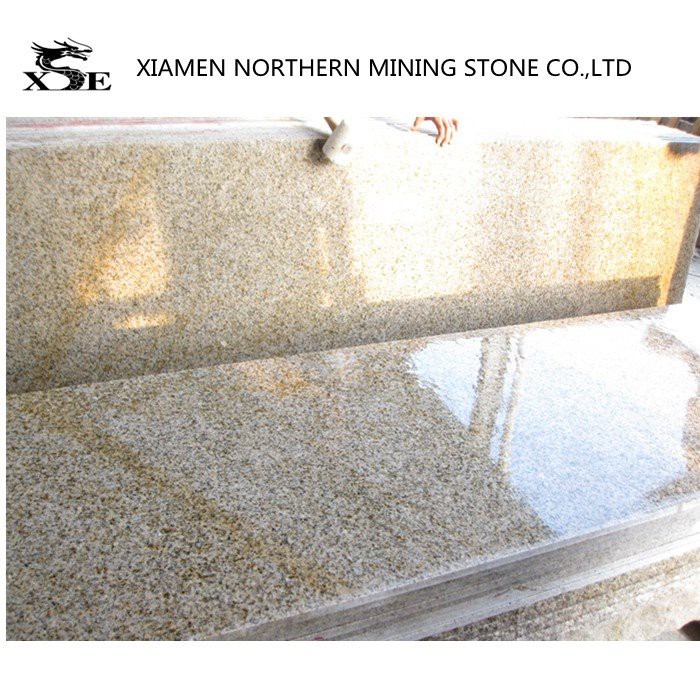
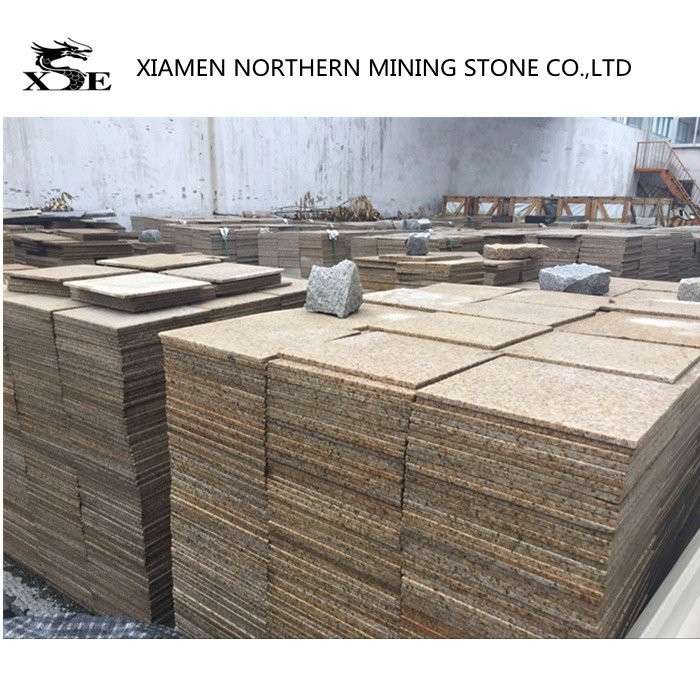
Cutting and Processing Methods: The way the tiles are cut and processed can also impact their flexural strength. For example, if the cutting process causes micro - cracks or damage to the surface of the tiles, it may reduce their flexural strength. On the other hand, proper processing techniques can help to maintain or even improve the flexural strength of the tiles.
Tile Size and Thickness: Generally, thicker tiles have a higher flexural strength than thinner tiles. This is because a thicker tile has more material to resist the bending forces. Similarly, larger tiles may be more prone to cracking under bending forces compared to smaller tiles, especially if they are not properly supported.
Importance of Flexural Strength in Applications
The flexural strength of Hubei G603 Granite Tiles is of great importance in different applications.
Flooring: In flooring applications, the tiles need to be able to withstand the weight of people, furniture, and other objects. A sufficient flexural strength ensures that the tiles will not crack or break easily, providing a long - lasting and stable floor surface.
Wall Cladding: When used for wall cladding, the tiles may be subjected to wind pressure, earthquakes, or other external forces. Adequate flexural strength helps the tiles to maintain their integrity and prevent them from falling off the wall.
Countertops: Countertops are often used to support heavy objects, such as appliances and kitchenware. A high flexural strength is necessary to prevent the countertops from cracking under the weight of these objects.
Ensuring the Quality of Flexural Strength
As a supplier of Hubei G603 Granite Tiles, I take several measures to ensure the quality of the flexural strength of our products.
We carefully select the quarries from which we source the granite. By choosing quarries with good geological conditions, we can obtain granite with consistent and high - quality properties, including flexural strength.
Our cutting and processing facilities are equipped with advanced machinery and technology. We use precise cutting and polishing techniques to minimize the damage to the tiles and ensure that they have the best possible flexural strength.
Before shipping the tiles to our customers, we conduct strict quality control tests. These tests include flexural strength tests, as well as other physical and chemical tests, to ensure that the tiles meet the required standards.
Conclusion
In conclusion, the flexural strength of Hubei G603 Granite Tiles typically ranges from 10 - 15 MPa, which is suitable for a wide range of applications. However, several factors can affect the flexural strength, and it's important to consider these factors when choosing the tiles for specific applications.
If you are interested in purchasing Hubei G603 Granite Tiles for your construction or decoration project, I encourage you to contact us for more information. We can provide you with detailed product specifications, samples, and competitive pricing. Our team of experts is also available to answer any questions you may have about the flexural strength or other properties of our tiles. Let's work together to create a beautiful and durable space with Hubei G603 Granite Tiles.
References
- ASTM C99/C99M - 16, Standard Test Method for Flexural Strength of Dimension Stone.
- International Building Code (IBC), which provides guidelines for the use of building materials, including granite tiles.