

What is the flexural strength of Calacatta Quartz Slabs?
Jun 03, 2025
Leave a message
Flexural strength is a critical mechanical property that measures a material's ability to resist bending forces. When it comes to Calacatta Quartz Slabs, understanding their flexural strength is essential for various applications, from kitchen countertops to large - scale architectural installations. As a supplier of Calacatta Quartz Slabs, I am well - versed in the significance of this property and its impact on the performance and durability of our products.
Understanding Flexural Strength
Flexural strength, also known as bending strength, is determined by subjecting a sample of the material to a three - point or four - point bending test. In a three - point bending test, the sample is supported at two ends and a load is applied at the center. The four - point bending test, on the other hand, involves applying the load at two points between the supports. The flexural strength is calculated based on the maximum stress the material can withstand before it fractures under the bending force.
For Calacatta Quartz Slabs, a high flexural strength is desirable as it indicates better resistance to cracking and breaking when subjected to loads. This is particularly important in applications where the slabs may be exposed to heavy objects or impact, such as in commercial kitchens or high - traffic areas.
Factors Affecting the Flexural Strength of Calacatta Quartz Slabs
Several factors can influence the flexural strength of Calacatta Quartz Slabs.
Composition
Calacatta Quartz Slabs are engineered materials composed primarily of natural quartz crystals, which are known for their high hardness and strength. The quality and purity of the quartz used in the manufacturing process play a significant role in determining the flexural strength. High - grade quartz with fewer impurities can result in slabs with better mechanical properties. Additionally, the resin used to bind the quartz particles together also affects the strength. A high - quality resin that provides strong adhesion between the quartz particles can enhance the overall flexural strength of the slab.
Manufacturing Process
The manufacturing process of Calacatta Quartz Slabs is a crucial factor in determining their flexural strength. The slabs are typically produced using a process called vacuum vibration compression molding. During this process, the quartz and resin mixture is placed in a mold and subjected to high pressure and vibration under vacuum conditions. This ensures that the mixture is compacted evenly, eliminating air bubbles and voids that could weaken the slab. Proper curing of the resin is also essential. If the curing process is not carried out correctly, the resin may not reach its full strength, resulting in a slab with lower flexural strength.
Thickness
The thickness of the Calacatta Quartz Slab also has a direct impact on its flexural strength. Generally, thicker slabs have higher flexural strength than thinner ones. This is because a thicker slab has more material to resist the bending forces. However, it is important to note that increasing the thickness also increases the weight and cost of the slab. Therefore, the appropriate thickness should be selected based on the specific application requirements.
Typical Flexural Strength Values of Calacatta Quartz Slabs
The flexural strength of Calacatta Quartz Slabs can vary depending on the factors mentioned above. On average, high - quality Calacatta Quartz Slabs have a flexural strength ranging from 25 to 35 MPa (megapascals). This is significantly higher than many natural stones, such as marble, which typically have a flexural strength of around 10 - 20 MPa. The high flexural strength of Calacatta Quartz Slabs makes them a popular choice for applications where durability and resistance to bending are crucial.
Applications Based on Flexural Strength
The flexural strength of Calacatta Quartz Slabs makes them suitable for a wide range of applications.
Kitchen Countertops
In kitchen countertops, Calacatta Quartz Slabs are an excellent choice. They can withstand the weight of heavy appliances, such as stoves and refrigerators, as well as the impact of dropping pots and pans. The high flexural strength ensures that the countertops are less likely to crack or break, even with regular use.
Bathroom Vanities
Bathroom vanities also benefit from the high flexural strength of Calacatta Quartz Slabs. They can support the weight of sinks and other fixtures without deforming. Additionally, the slabs' resistance to bending helps maintain their smooth and flat surface over time.
Quartz Slabs Hotel Lobbies
In hotel lobbies, Calacatta Quartz Slabs are often used for flooring and wall cladding. The high traffic in these areas means that the slabs need to be able to withstand the weight of people walking and the movement of luggage carts. Their high flexural strength allows them to resist the bending forces caused by these activities, ensuring long - term durability and a beautiful appearance.
Architectural Installations
For large - scale architectural installations, such as facades and interior partitions, Calacatta Quartz Slabs' flexural strength is essential. They can be used to create large, unsupported spans without the risk of cracking or breaking, providing architects with more design flexibility.
Comparing Calacatta Quartz Slabs with Other Materials
When compared to other materials commonly used in construction and interior design, Calacatta Quartz Slabs have several advantages in terms of flexural strength.
Natural Stone
As mentioned earlier, natural stones like marble and granite generally have lower flexural strength than Calacatta Quartz Slabs. Marble, in particular, is more prone to cracking and chipping, especially when subjected to heavy loads or impacts. Granite has better strength than marble but still may not match the flexural strength of high - quality Calacatta Quartz Slabs.
Laminate
Laminate countertops are a more affordable option but have significantly lower flexural strength compared to Calacatta Quartz Slabs. They are more likely to warp or crack under heavy loads, making them less suitable for high - use areas.
Testing and Quality Control
To ensure the quality and consistency of the flexural strength of our Calacatta Quartz Slabs, we implement a rigorous testing and quality control process.
In - house Testing
We conduct in - house testing on a regular basis using standardized testing equipment. Samples are taken from each production batch and subjected to three - point or four - point bending tests to determine their flexural strength. This allows us to monitor the quality of the slabs during the manufacturing process and make adjustments if necessary.
Third - party Certification
In addition to in - house testing, we also seek third - party certification for our products. Independent testing laboratories verify the flexural strength and other mechanical properties of our Calacatta Quartz Slabs according to international standards. This provides our customers with confidence in the quality and performance of our products.
Our Product Range and Flexural Strength
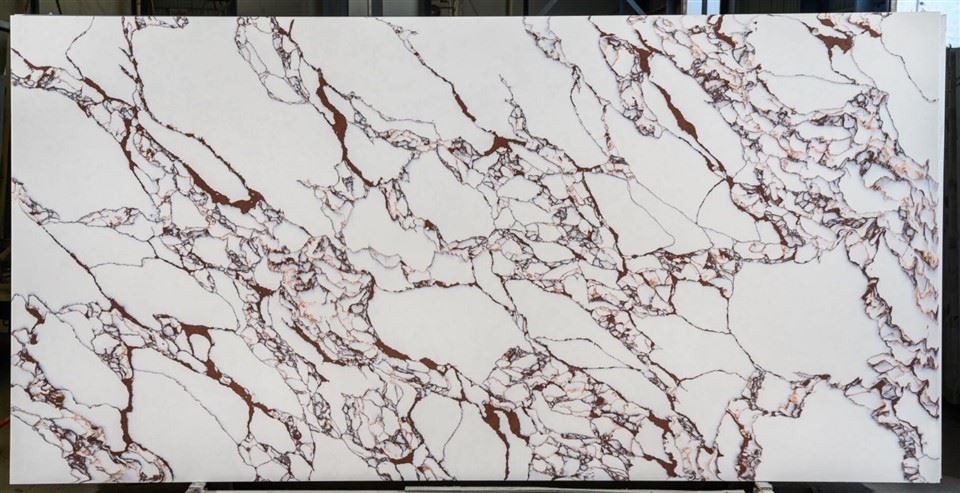
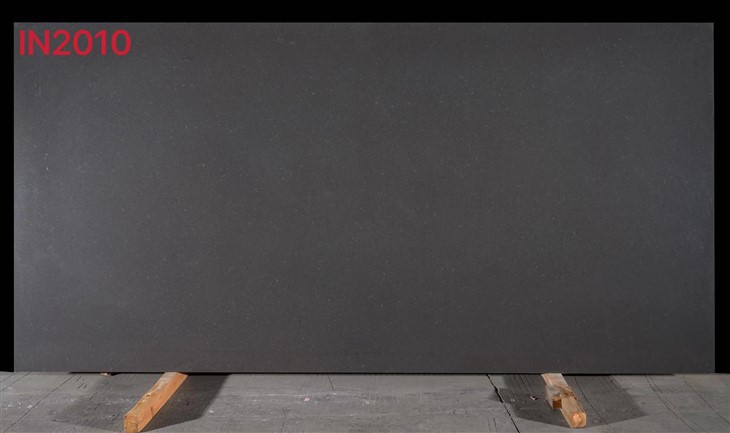
We offer a wide range of Calacatta Quartz Slabs, each with specific characteristics and flexural strength values. For example, our IN2010 series is known for its high flexural strength, making it ideal for heavy - duty applications. The Bvlgari Quartz series also offers excellent mechanical properties, including high flexural strength, along with a beautiful and unique appearance.
Contact Us for Procurement
If you are interested in purchasing Calacatta Quartz Slabs for your project, whether it's a small - scale residential renovation or a large - scale commercial development, we are here to assist you. Our team of experts can provide you with detailed information about the flexural strength and other properties of our products, as well as help you select the most suitable slabs for your specific needs. Contact us today to start the procurement process and discuss how our Calacatta Quartz Slabs can enhance the durability and aesthetics of your project.
References
- ASTM International. (2021). Standard Test Method for Flexural Properties of Unreinforced and Reinforced Plastics and Electrical Insulating Materials. ASTM D790 - 20.
- European Committee for Standardization. (2013). Natural stone test methods - Determination of flexural strength under concentrated load. EN 12372:2013.
- International Organization for Standardization. (2019). Fine ceramics (advanced ceramics, advanced technical ceramics) - Determination of flexural strength of monolithic ceramics at room temperature. ISO 14704:2019.