

What is the difference between quartz and granite countertops?
Aug 18, 2025
Leave a message
When it comes to choosing countertops for your home or commercial space, two popular options often stand out: quartz and granite. As a supplier of Quartz Countertops, I've had the opportunity to work closely with both materials and understand their unique characteristics. In this blog post, I'll delve into the differences between quartz and granite countertops to help you make an informed decision for your next project.
Composition and Manufacturing
Let's start with the basics: what exactly are quartz and granite made of? Granite is a natural stone formed from molten magma deep within the Earth's crust. It consists primarily of quartz, feldspar, and mica, with varying amounts of other minerals that give it its distinctive color and pattern. The natural formation process results in a unique, one-of-a-kind appearance for each slab of granite.
On the other hand, quartz countertops are engineered materials. They are made from crushed natural quartz crystals, which are combined with resins, polymers, and pigments. The mixture is then compressed and heated to form a solid, durable surface. This manufacturing process allows for greater control over the appearance and consistency of quartz countertops, resulting in a wider range of colors and patterns to choose from.
Appearance
One of the most significant differences between quartz and granite countertops lies in their appearance. Granite's natural formation gives it a unique, organic look with veining, speckles, and variations in color. No two slabs of granite are exactly alike, which can add a sense of exclusivity and character to your space. However, this also means that it can be challenging to find two slabs that match perfectly, especially for larger projects.
Quartz countertops, on the other hand, offer a more consistent appearance. Thanks to the manufacturing process, they can be produced in a wide range of colors and patterns, from classic white and black to bold, exotic designs. Whether you're looking for a seamless, monochromatic look or a countertop that mimics the appearance of natural stone, quartz can provide a more predictable and uniform result.
For example, our White Sparkle Quartz Kitchen Worktop offers a clean, contemporary look with a subtle sparkle that adds a touch of elegance to any kitchen. The consistent pattern and color make it easy to pair with a variety of cabinet styles and kitchen decor.
Durability
Both quartz and granite are known for their durability, but they have different strengths and weaknesses. Granite is a very hard and dense material, making it resistant to scratches and heat. It can withstand high temperatures without damage, making it a great choice for kitchen countertops where hot pots and pans are frequently placed. However, granite is a porous material, which means it can absorb liquids and stains if not properly sealed. Regular sealing is required to maintain its stain resistance and protect it from damage.
Quartz countertops, on the other hand, are non-porous and highly resistant to stains, scratches, and bacteria. They do not require sealing, which makes them a low-maintenance option for busy households. While quartz is heat-resistant, it is not as heat-resistant as granite and can be damaged by direct contact with extremely hot objects. It's recommended to use trivets or hot pads to protect quartz countertops from heat.
Maintenance
Maintenance is an important consideration when choosing a countertop material. As mentioned earlier, granite requires regular sealing to prevent staining and damage. The frequency of sealing depends on the type of granite and its usage, but it typically ranges from once a year to every few years. In addition to sealing, granite countertops should be cleaned regularly with a mild soap and water solution to remove dirt and debris.
Quartz countertops, on the other hand, are very easy to maintain. They can be cleaned with a mild soap and water solution or a non-abrasive cleaner. Since they are non-porous, they do not require sealing, which saves time and money in the long run. However, it's important to avoid using abrasive cleaners or scrubbers on quartz countertops, as they can scratch the surface.
Cost
The cost of quartz and granite countertops can vary depending on several factors, including the quality, color, pattern, and size of the slabs. In general, granite countertops tend to be more expensive than quartz countertops. This is because granite is a natural stone that requires mining, cutting, and finishing, which can be a labor-intensive and costly process. Additionally, the unique appearance of granite can make it more desirable and valuable.
Quartz countertops, on the other hand, are typically more affordable than granite. The manufacturing process allows for greater efficiency and consistency, which can result in lower costs. However, the cost of quartz countertops can still vary depending on the brand, quality, and design.
Applications
Both quartz and granite countertops are suitable for a variety of applications, including kitchens, bathrooms, and commercial spaces. In the kitchen, granite's heat resistance and durability make it a popular choice for countertops, while quartz's stain resistance and low maintenance make it a practical option for busy households.
In the bathroom, both materials can be used for vanities, countertops, and shower surrounds. Granite's natural beauty and durability make it a great choice for creating a luxurious and elegant look, while quartz's non-porous surface and resistance to stains and bacteria make it a hygienic option for bathrooms.
Commercial spaces, such as restaurants, hotels, and offices, can also benefit from the use of quartz and granite countertops. Granite's durability and unique appearance can make it a statement piece in a commercial setting, while quartz's low maintenance and wide range of colors and patterns can provide a modern and professional look.
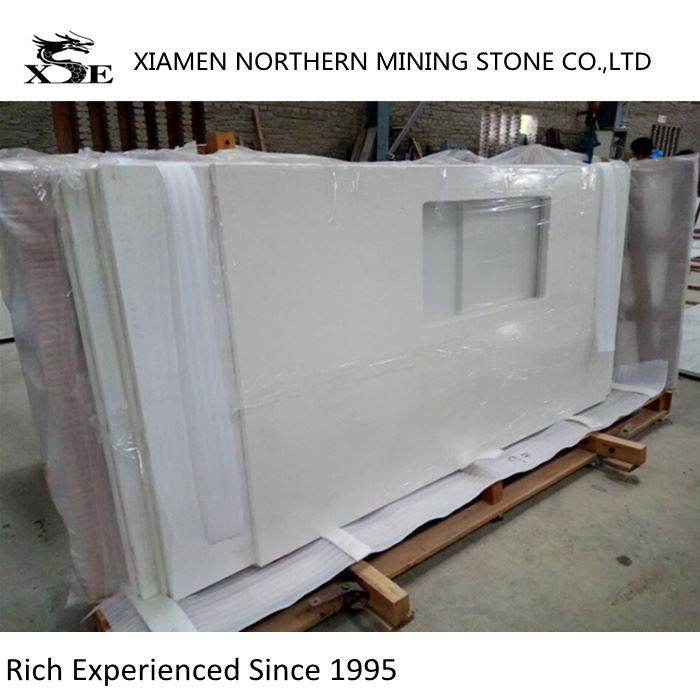
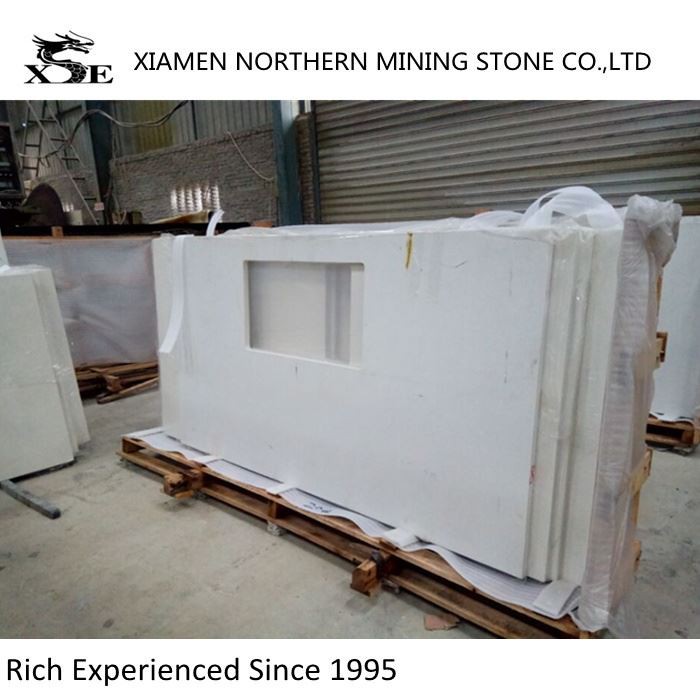
For example, our Quartz Slabs Library Countertops are a great choice for libraries and other public spaces. The non-porous surface and resistance to stains and scratches make them easy to clean and maintain, while the wide range of colors and patterns can complement the decor of any library.
Conclusion
In conclusion, both quartz and granite countertops have their own unique advantages and disadvantages. Granite offers a natural, organic look and excellent heat resistance, but it requires regular sealing and maintenance. Quartz, on the other hand, offers a consistent appearance, high stain resistance, and low maintenance, but it is not as heat-resistant as granite.
When choosing between quartz and granite countertops, it's important to consider your specific needs, preferences, and budget. If you're looking for a natural, one-of-a-kind look and don't mind the extra maintenance, granite may be the right choice for you. If you prefer a low-maintenance option with a wide range of colors and patterns, quartz may be a better fit.
As a supplier of Quartz Countertops, we offer a wide range of high-quality quartz countertops to suit every style and budget. Our White Quartz Kitchen Countertops are a popular choice for homeowners who want a clean, contemporary look that is both durable and easy to maintain.
If you're interested in learning more about our quartz countertops or have any questions about the differences between quartz and granite, please don't hesitate to contact us. Our team of experts is available to help you choose the right countertop material for your project and provide you with a free quote. We look forward to working with you!
References
- "Granite vs. Quartz Countertops: What's the Difference?" The Spruce, https://www.thespruce.com/granite-vs-quartz-countertops-4172172.
- "Quartz Countertops: Pros and Cons." Bob Vila, https://www.bobvila.com/articles/quartz-countertops-pros-and-cons/.
- "Granite Countertops: Pros and Cons." Bob Vila, https://www.bobvila.com/articles/granite-countertops-pros-and-cons/.