

What is the density of Panda White Marble Slab?
Dec 26, 2025
Leave a message
Hey there! As a supplier of Panda White Marble Slab, I often get asked about its density. So, let's dive right into it and break down what the density of Panda White Marble Slab really means and why it matters.
What is Density?
First off, density is a measure of how much mass is packed into a given volume. In simple terms, it tells you how heavy a material is for its size. For marble slabs, density is an important characteristic because it can affect the strength, durability, and overall quality of the stone.
The density of a material is typically measured in grams per cubic centimeter (g/cm³) or kilograms per cubic meter (kg/m³). The higher the density, the more tightly packed the molecules are within the material, which generally means it's stronger and more resistant to wear and tear.
Density of Panda White Marble Slab
Panda White Marble is a popular choice for countertops, flooring, and other architectural applications due to its beautiful white background with gray veins that resemble a panda's markings. The density of Panda White Marble Slab usually ranges from about 2.6 to 2.8 g/cm³. This puts it in the typical range for most natural marbles, which generally have densities between 2.5 and 2.8 g/cm³.
The specific density of a particular slab can vary depending on a few factors. One of the main factors is the location where the marble was quarried. Different quarries may have slightly different geological conditions, which can result in variations in the composition and density of the marble. For example, if the marble was formed under higher pressure or with different mineral concentrations, it could have a slightly higher or lower density.
Another factor that can affect density is the presence of any impurities or voids within the slab. If there are small cracks, pores, or areas with a different mineral composition, it can lower the overall density of the slab. That's why it's important to carefully inspect each slab to ensure it meets the quality standards you're looking for.
Why Does Density Matter?
Now, you might be wondering why the density of Panda White Marble Slab is so important. Well, there are a few key reasons.
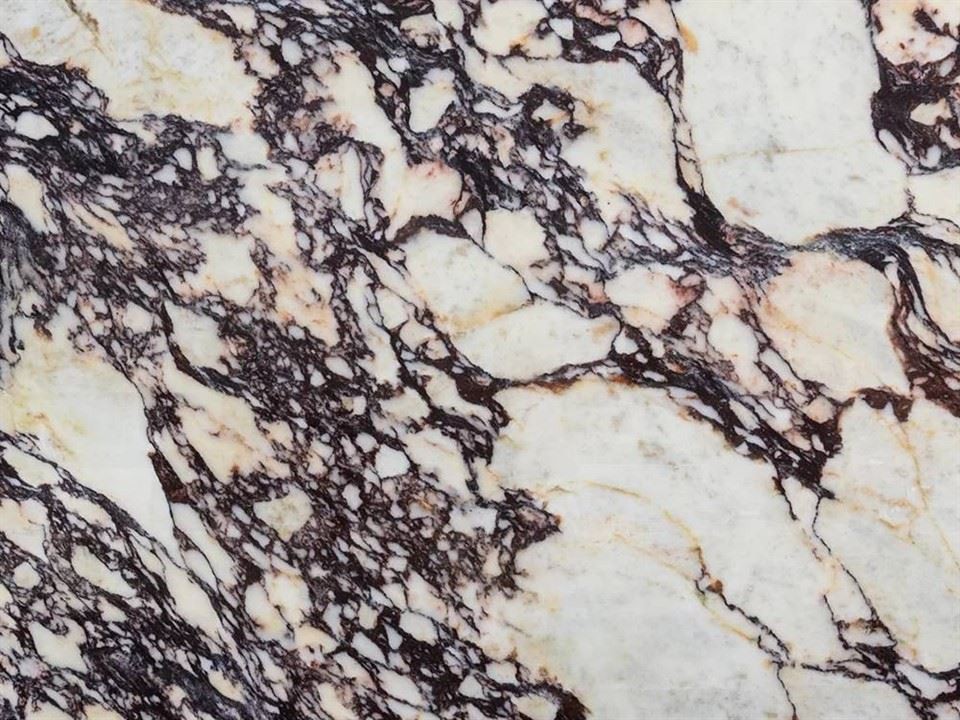
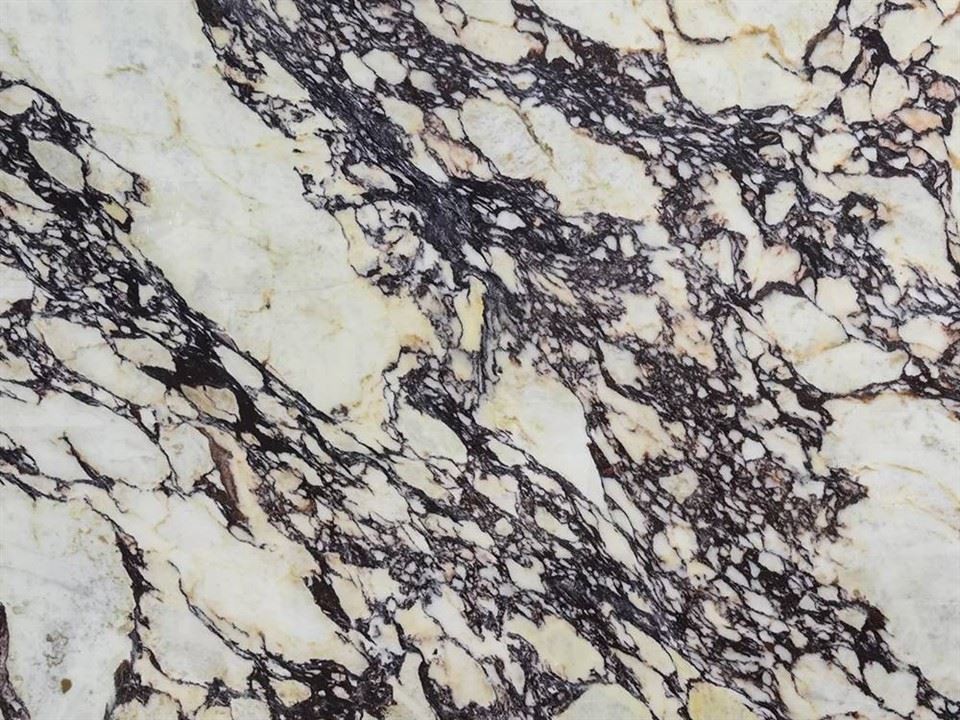
Strength and Durability: A higher density generally means a stronger and more durable marble slab. This is especially important for applications where the slab will be subjected to a lot of wear and tear, like kitchen countertops or high-traffic flooring. A denser slab is less likely to crack, chip, or scratch, which means it will last longer and require less maintenance over time.
Resistance to Staining: Denser marbles tend to be more resistant to staining because there are fewer pores for liquids and other substances to seep into. This is a big plus for kitchen countertops, where spills are inevitable. With a denser Panda White Marble Slab, you'll have an easier time keeping your countertops looking clean and beautiful.
Installation and Handling: The density of the slab can also affect how it's installed and handled. A heavier, denser slab may require more care and specialized equipment during installation to ensure it's properly supported and level. On the other hand, a lighter, less dense slab may be easier to handle but could also be more prone to damage if not handled correctly.
Comparing Panda White Marble Slab with Other Types of Marble
When it comes to choosing the right marble slab for your project, it can be helpful to compare the density of Panda White Marble with other popular types of marble.
For example, the Cherry Blossom Marble Slab typically has a density in the same range as Panda White Marble, around 2.6 to 2.8 g/cm³. This makes it a similar option in terms of strength and durability. However, the Cherry Blossom Marble has a different appearance, with pinkish tones and unique veining patterns that can add a touch of elegance to any space.
The Viola Marble Slab also has a comparable density, usually between 2.6 and 2.7 g/cm³. Viola Marble is known for its deep purple and gray veining, which can create a dramatic and luxurious look. Like Panda White Marble, it's a versatile option that can be used in a variety of applications.
If you're looking for something a bit different, the Black Marble Stone Slab has a slightly higher density, typically around 2.7 to 2.9 g/cm³. The higher density gives it even greater strength and durability, making it a great choice for high-impact areas. The sleek black color and bold veining of Black Marble can make a stunning statement in any room.
Quality Control and Testing
As a supplier of Panda White Marble Slab, I take quality control very seriously. Before any slab leaves our warehouse, we conduct a thorough inspection to ensure it meets our high standards. This includes checking the density, as well as looking for any visible defects like cracks, chips, or uneven surfaces.
We also use advanced testing methods to accurately measure the density of each slab. One common method is the Archimedes' principle, which involves measuring the mass of the slab in air and then in water to calculate its volume and density. This allows us to get a precise measurement and ensure that the density falls within the expected range.
In addition to density testing, we also test the marble for other important properties, such as hardness, porosity, and flexural strength. By conducting these tests, we can provide our customers with high-quality Panda White Marble Slabs that are not only beautiful but also reliable and long-lasting.
Choosing the Right Slab for Your Project
When you're choosing a Panda White Marble Slab for your project, it's important to consider not only the density but also other factors like the size, thickness, and finish of the slab.
The size of the slab will depend on the specific application. For example, if you're using the slab for a kitchen countertop, you'll need to measure the dimensions of your countertop area and choose a slab that's large enough to cover it without any seams. If you're using the slab for flooring, you'll need to consider the layout of the room and how the slabs will be installed.
The thickness of the slab is also an important consideration. Thicker slabs are generally more durable and can support more weight, but they may also be more expensive. For most residential applications, a thickness of 2 or 3 centimeters is usually sufficient.
The finish of the slab can also have a big impact on its appearance and performance. Common finishes for marble slabs include polished, honed, and brushed. A polished finish gives the slab a shiny, reflective surface that enhances its natural beauty. A honed finish, on the other hand, has a more matte appearance and is less slippery, making it a good choice for areas where safety is a concern. A brushed finish creates a textured surface that can add a unique look to the slab.
Contact Us for Your Panda White Marble Slab Needs
If you're interested in purchasing Panda White Marble Slab for your next project, I'd love to hear from you. Whether you're a homeowner, contractor, or designer, we have a wide selection of high-quality slabs to choose from. Our team of experts can help you find the perfect slab for your specific needs and provide you with all the information you need to make an informed decision.
Don't hesitate to reach out to us if you have any questions or if you'd like to request a quote. We're committed to providing our customers with the best possible service and products, and we look forward to working with you on your next project.
References
- "Marble: Properties, Uses, and Identification." Geology.com.
- "The Science of Stone: Understanding Marble Density." Stone World Magazine.
- "Quality Control in the Marble Industry." International Marble Association.