

What is the chemical stability of granite?
Dec 19, 2025
Leave a message
Granite is a widely recognized and extensively used natural stone in the construction and decoration industries. As a granite supplier, I have witnessed firsthand the remarkable properties of granite, with chemical stability being one of its most vital characteristics. In this blog, I will delve into what chemical stability means for granite, its influencing factors, and why it matters in various applications.
Understanding Chemical Stability of Granite
Chemical stability refers to a material's ability to resist chemical reactions under normal environmental conditions. For granite, this means it can maintain its physical and chemical properties when exposed to various substances such as water, acids, alkalis, and salts. Granite is an igneous rock composed mainly of quartz, feldspar, and mica. Quartz, in particular, is highly resistant to chemical attack, which contributes significantly to the overall chemical stability of granite.
When granite is in contact with water, it generally does not undergo significant chemical changes. Water is a common substance in the environment, and the fact that granite can resist its corrosive effects makes it suitable for outdoor applications like paving, facades, and landscaping. Even in areas with high humidity or frequent rainfall, granite retains its integrity over long periods.
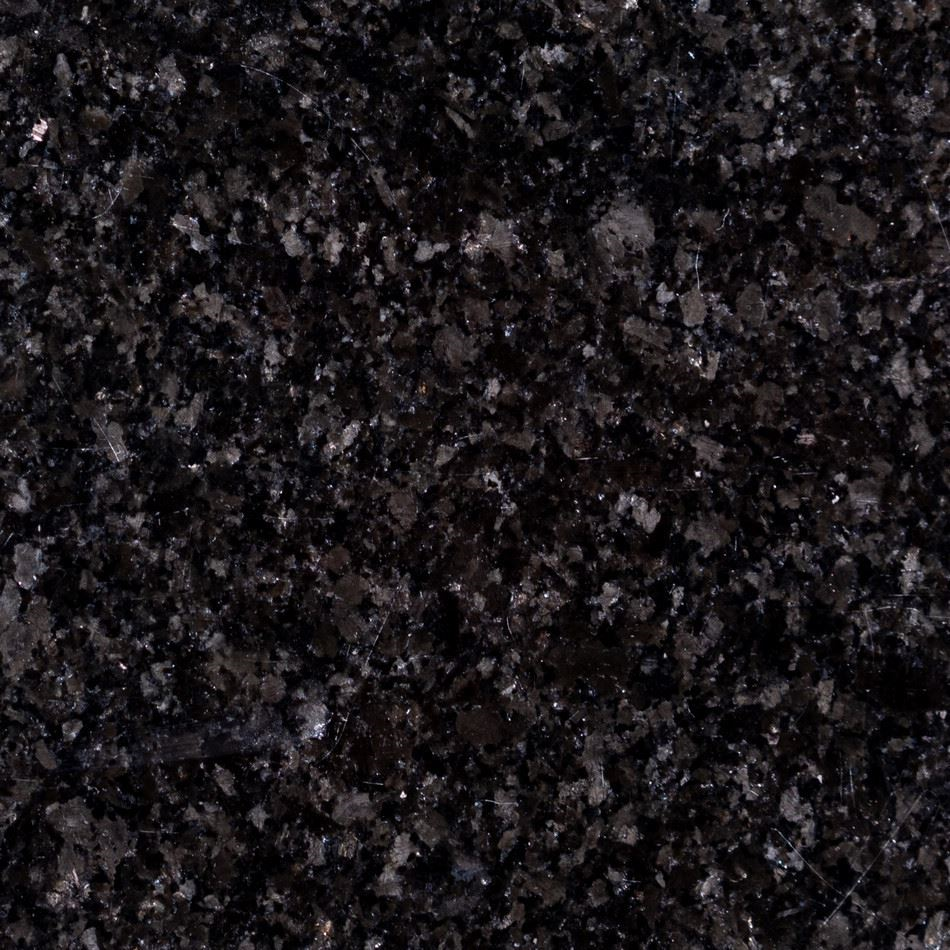
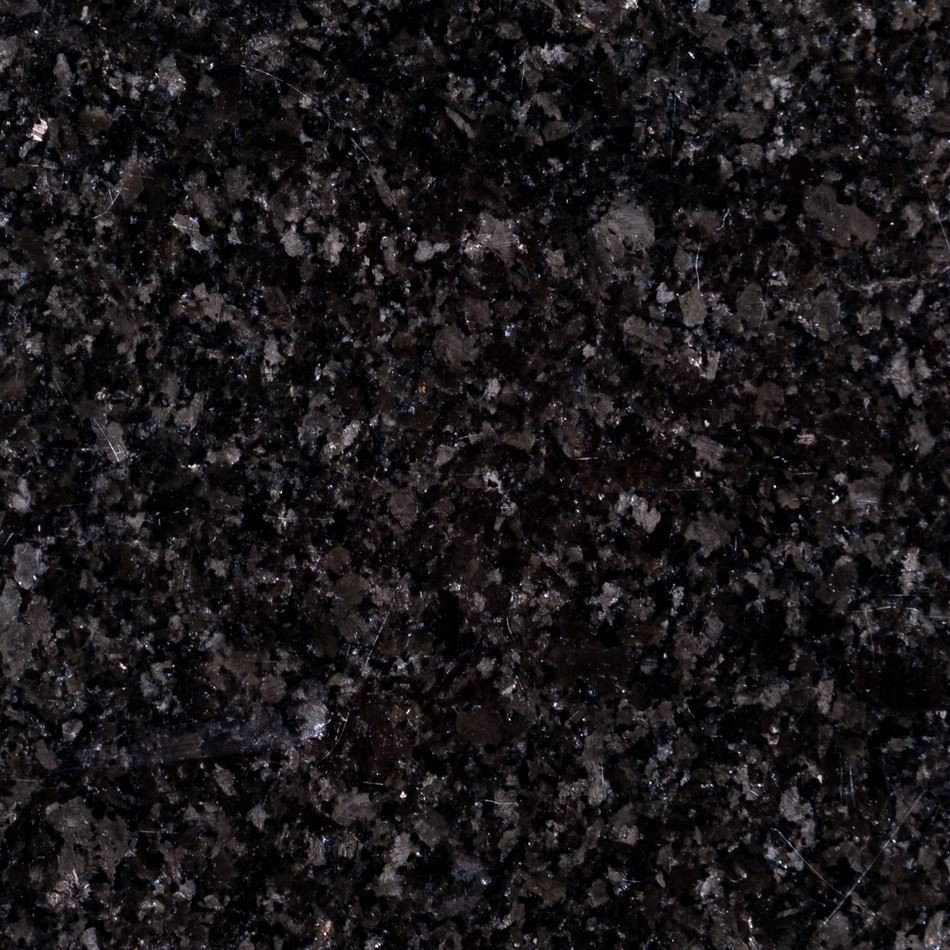
Acids and alkalis, on the other hand, can pose a greater challenge to the chemical stability of granite. However, different types of granite exhibit varying degrees of resistance. Some granites with a higher quartz content are more resistant to acid attack. For example, Absolute Black granite, known for its deep black color and high durability, has a relatively high quartz content, which gives it good resistance to mild acids. This makes it a popular choice for kitchen countertops, where it may come into contact with acidic substances like lemon juice or vinegar.
Alkalis can also affect granite, but again, the impact depends on the composition of the granite. Most granites can withstand normal levels of alkalis found in the environment. However, prolonged exposure to strong alkalis may cause some surface deterioration over time.
Factors Influencing Chemical Stability
Several factors influence the chemical stability of granite. The mineral composition is the most fundamental factor. As mentioned earlier, quartz is the most chemically resistant mineral in granite. Granites with a higher percentage of quartz are generally more chemically stable. Feldspar, another major component of granite, is less resistant to chemical attack compared to quartz. Mica, which is often present in smaller amounts, can also affect the chemical stability to some extent.
The texture of granite can also play a role. Coarse - grained granites may have more porosity compared to fine - grained ones. Higher porosity means that substances can penetrate the granite more easily, potentially leading to chemical reactions. For example, if water containing dissolved salts penetrates the pores of the granite, it can cause salt crystallization within the rock, which may lead to cracking and spalling over time.
The geological origin of granite also matters. Granites formed under different geological conditions may have different chemical compositions and textures. For instance, granites that have undergone metamorphism may have a more complex mineral structure, which can affect their chemical stability.
Importance of Chemical Stability in Applications
The chemical stability of granite makes it a versatile material for a wide range of applications.
Construction and Architecture
In construction, granite is used for building facades, flooring, and structural elements. Its chemical stability ensures that it can withstand the environmental conditions over the lifespan of the building. For example, in coastal areas where the air contains salt particles, granite's resistance to saltwater corrosion makes it a suitable choice for exterior cladding. The Leone Black Diamond granite, with its excellent chemical stability, can be used to create stunning and long - lasting facades that maintain their appearance for decades.
Interior Design
In interior design, granite is a popular choice for countertops, vanities, and fireplace surrounds. In the kitchen, countertops need to be resistant to stains, scratches, and chemical damage from food and cleaning agents. The chemical stability of granite ensures that it can handle the daily wear and tear in the kitchen environment. Similarly, in bathrooms, granite vanities can resist the effects of water, soap, and other cleaning products.
Landscaping
Granite is also widely used in landscaping for features such as garden paths, retaining walls, and water features. Its ability to resist water and chemical degradation makes it ideal for outdoor use. Whether it is exposed to rain, sunlight, or soil chemicals, granite can maintain its strength and appearance, enhancing the beauty of the landscape.
Maintenance and Preservation of Chemical Stability
Although granite is chemically stable, proper maintenance is still required to ensure its long - term performance. Regular cleaning with mild, pH - neutral cleaners is recommended to remove dirt and stains without damaging the granite surface. Avoid using harsh chemicals or abrasive cleaners, as they can potentially damage the protective layer of the granite and reduce its chemical stability.
Sealing the granite surface can also enhance its chemical resistance. A good quality sealer can fill the pores of the granite, preventing substances from penetrating the rock and causing chemical reactions. However, it is important to note that the effectiveness of the sealer may decrease over time, and re - sealing may be required periodically.
Conclusion
In conclusion, the chemical stability of granite is a crucial property that makes it a valuable material in various industries. Its ability to resist chemical attack from water, acids, alkalis, and salts ensures its durability and long - term performance in different applications. As a granite supplier, I am proud to offer a wide range of granite products, including Absolute Black and Leone Black Diamond granite, which exhibit excellent chemical stability.
If you are interested in our granite products for your construction, interior design, or landscaping projects, I encourage you to contact us for a detailed discussion. We can provide you with samples, technical specifications, and competitive pricing. Let's work together to bring your projects to life with the beauty and durability of granite.
References
- Deer, W. A., Howie, R. A., & Zussman, J. (1992). Rock - forming minerals: Volume 4A, Framework silicates: Feldspars. Longman Scientific & Technical.
- Tucker, M. E. (2001). Sedimentary petrology: An introduction. Blackwell Science.