

What is the best way to store unused marble slabs?
Sep 17, 2025
Leave a message
As a supplier of marble slabs, I've encountered numerous challenges and learned valuable lessons about the proper storage of these exquisite materials. Marble, with its timeless beauty and durability, is a highly sought-after material for various applications, from countertops to flooring. However, improper storage can lead to damage, reducing its value and aesthetic appeal. In this blog, I'll share the best practices for storing unused marble slabs to ensure they remain in pristine condition until they're ready for use.
Understanding the Nature of Marble
Before delving into storage methods, it's essential to understand the characteristics of marble. Marble is a natural stone composed primarily of calcium carbonate, which makes it susceptible to certain environmental factors. It's relatively soft compared to other stones, such as granite, and can be easily scratched or etched by acidic substances. Additionally, marble is porous, meaning it can absorb liquids, which may cause staining or discoloration over time.
Choosing the Right Storage Location
The first step in storing marble slabs is selecting an appropriate location. The ideal storage area should be dry, cool, and well-ventilated to prevent moisture buildup and mold growth. Avoid areas prone to flooding or high humidity, such as basements or near water sources. A climate-controlled warehouse or storage facility is ideal, as it allows you to maintain a consistent temperature and humidity level.
Preparing the Storage Area
Once you've chosen a suitable location, it's time to prepare the storage area. Start by cleaning the floor and ensuring it's level and free of debris. You can use a clean, dry cloth or a vacuum cleaner to remove any dust or dirt. Next, lay down a protective barrier, such as a thick layer of cardboard or foam padding, to prevent scratches and damage to the marble slabs.
Stacking and Supporting the Slabs
When stacking marble slabs, it's crucial to do so carefully to prevent breakage or cracking. Start by placing a flat, sturdy surface, such as a wooden pallet or a steel frame, on the protective barrier. Make sure the surface is large enough to support the entire slab and is level. Place the first slab on the surface, ensuring it's centered and aligned properly.
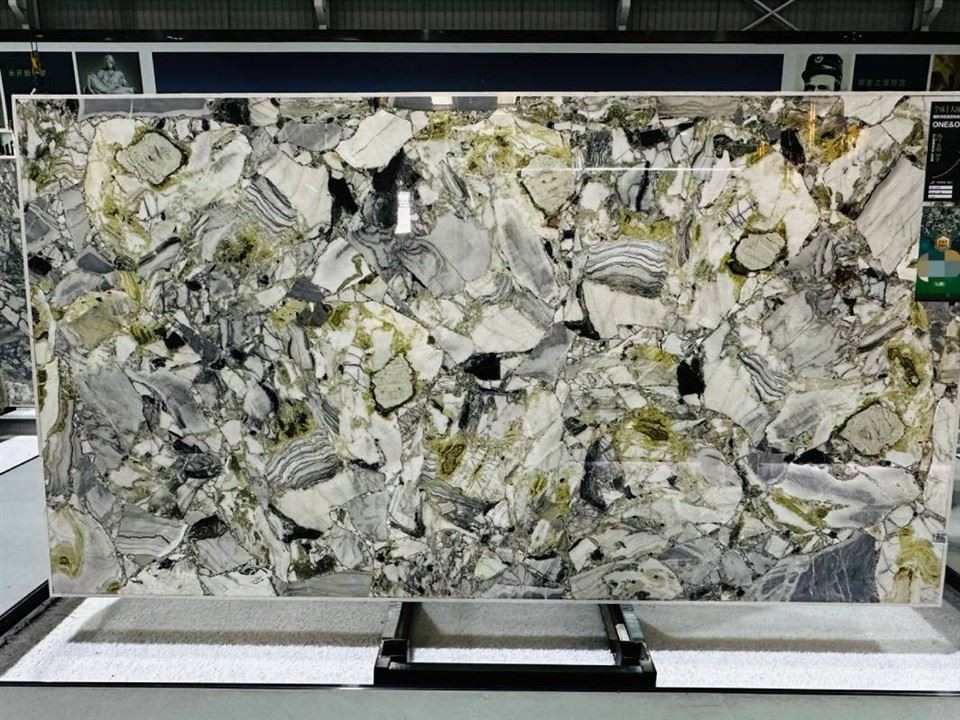
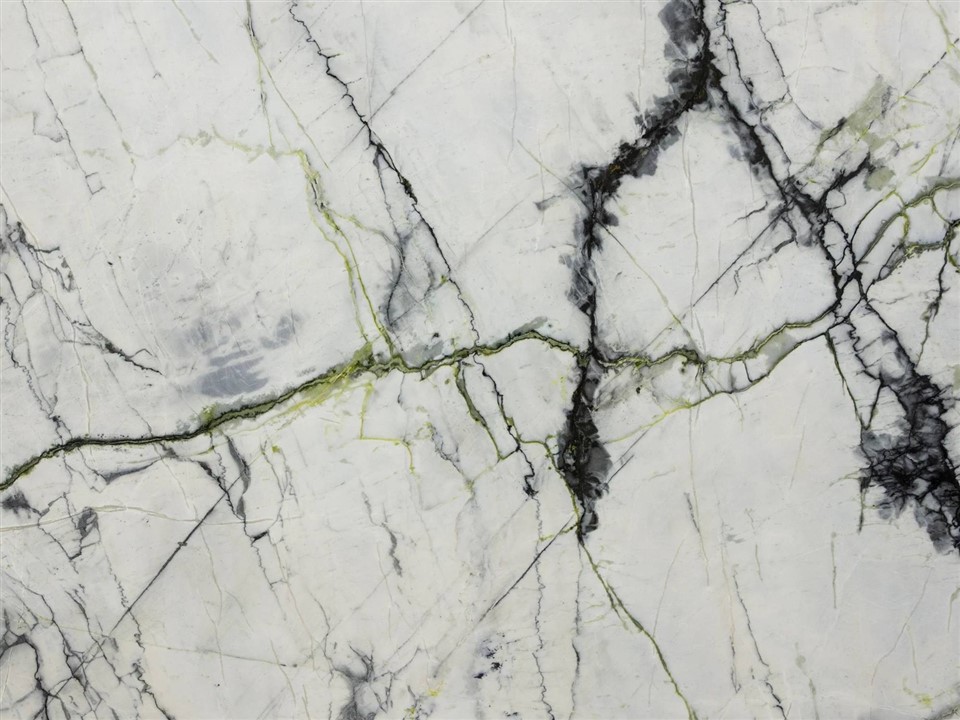
To prevent the slabs from shifting or sliding, you can use wooden spacers or wedges between each slab. These spacers should be evenly spaced and placed at the edges of the slab to provide support and stability. Make sure the spacers are made of a soft, non-abrasive material to prevent scratching or damage to the marble.
When stacking multiple slabs, it's important to alternate the direction of each slab to distribute the weight evenly. This helps prevent the slabs from cracking or breaking under the pressure. You can also use a forklift or a crane to lift and stack the slabs, but make sure the equipment is properly maintained and operated by a trained professional.
Protecting the Slabs from Damage
In addition to stacking and supporting the slabs properly, it's important to protect them from damage during storage. One way to do this is to cover the slabs with a protective film or sheet. This film can help prevent scratches, stains, and other types of damage. You can choose a film that's specifically designed for marble or a general-purpose protective film.
Another way to protect the slabs is to label them clearly. This helps you identify the slabs easily and prevents them from being damaged or misplaced during storage. You can use a permanent marker or a label maker to label the slabs with their size, color, and other relevant information.
Monitoring the Storage Conditions
Once the marble slabs are stored, it's important to monitor the storage conditions regularly. Check the temperature and humidity levels in the storage area using a thermometer and a hygrometer. Make sure the temperature remains between 50°F and 70°F (10°C and 21°C) and the humidity level remains between 30% and 50%.
If the temperature or humidity levels are outside the recommended range, you may need to adjust the climate control settings or take other measures to correct the problem. For example, if the humidity level is too high, you can use a dehumidifier to remove excess moisture from the air.
Inspecting the Slabs Regularly
In addition to monitoring the storage conditions, it's important to inspect the marble slabs regularly for any signs of damage or deterioration. Check the slabs for cracks, chips, scratches, or other types of damage. If you notice any damage, take immediate action to repair or replace the slab.
You should also check the slabs for signs of staining or discoloration. If you notice any stains or discoloration, try to clean the slab using a mild detergent and a soft cloth. If the stain is stubborn, you may need to use a specialized marble cleaner or consult a professional stone restoration company.
Conclusion
Proper storage of unused marble slabs is essential to ensure their quality and longevity. By following the best practices outlined in this blog, you can protect your marble slabs from damage and ensure they remain in pristine condition until they're ready for use. Remember to choose a suitable storage location, prepare the storage area, stack and support the slabs properly, protect them from damage, monitor the storage conditions, and inspect the slabs regularly.
If you're in the market for high-quality marble slabs, we offer a wide range of options, including Green And White Marble Slab, Cold Jadeite Slabs Of Marble, and Calcatta Marble Slab. Our slabs are sourced from the finest quarries around the world and are carefully selected for their beauty, quality, and durability. Contact us today to learn more about our products and to discuss your specific needs.
References
- "Marble: A Guide to Care and Maintenance." Marble Institute of America, 2023.
- "Storage and Handling of Natural Stone." Stone World, 2022.
- "Best Practices for Storing Marble Slabs." Stone Magazine, 2021.