

What is the average lifespan of marble slabs in a high - traffic area?
Sep 08, 2025
Leave a message
When it comes to high - traffic areas, the durability and lifespan of building materials are of utmost importance. As a supplier of marble slabs, I've been asked countless times about the average lifespan of marble slabs in such environments. In this blog, I'll delve into the factors that affect the lifespan of marble slabs in high - traffic areas and provide an estimate of their average lifespan.
Understanding Marble
Marble is a metamorphic rock formed from limestone under high pressure and temperature. It is known for its beauty, elegance, and versatility, making it a popular choice for flooring, countertops, and other applications in both residential and commercial settings. However, its porosity and relative softness compared to some other stones make it vulnerable to wear and damage, especially in high - traffic areas.
Factors Affecting the Lifespan of Marble Slabs in High - Traffic Areas
1. Marble Type
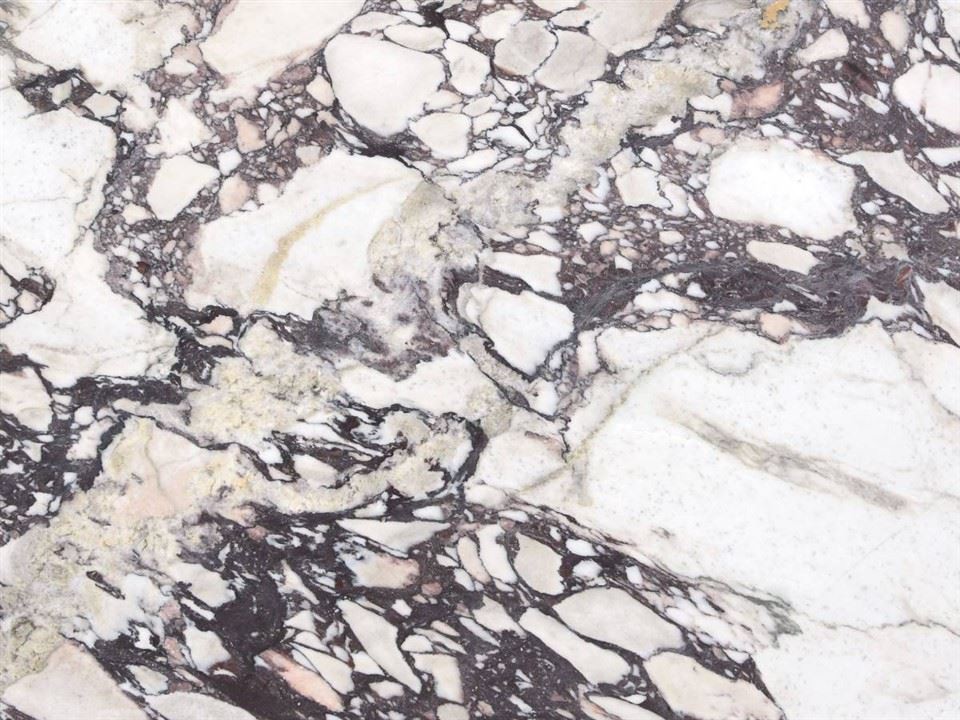
Not all marbles are created equal. Different types of marble have different physical properties that affect their durability. For example, Vintage Marble Slab may have a unique appearance but could vary in hardness and density compared to other types. Breccia Marble Slab is composed of angular fragments of different marbles, which might influence its resistance to wear. Red Marble Slab, with its distinct coloration, also has its own set of characteristics. Harder marbles generally have a longer lifespan in high - traffic areas as they can withstand more abrasion.
2. Traffic Intensity
The amount of foot traffic a marble slab endures is a crucial factor. A high - end hotel lobby with hundreds or thousands of guests passing through daily will put more stress on the marble than a residential hallway with occasional use. In a commercial shopping mall, the constant movement of people, shopping carts, and cleaning equipment can accelerate the wear and tear of marble slabs.
3. Maintenance
Proper maintenance can significantly extend the lifespan of marble slabs. Regular cleaning with pH - neutral cleaners helps prevent the build - up of dirt and grime that can scratch the surface. Sealing the marble at regular intervals is also essential. A good sealant creates a protective barrier that reduces the absorption of liquids and stains, as well as protects against abrasion. On the other hand, neglecting maintenance can lead to premature degradation of the marble.
4. Environmental Conditions
The environment in which the marble is installed also plays a role. Areas with high humidity or exposure to chemicals can damage the marble. For example, in a public restroom, the presence of cleaning chemicals and moisture can cause the marble to deteriorate faster. Additionally, extreme temperature changes can cause the marble to expand and contract, potentially leading to cracks over time.
Estimating the Average Lifespan
Based on industry experience and research, the average lifespan of marble slabs in a high - traffic area can range from 15 to 30 years. This wide range is due to the factors mentioned above.
In a well - maintained commercial building with moderate traffic, such as a small office lobby, marble slabs can last up to 30 years. The regular cleaning and sealing, combined with a relatively low volume of traffic, help preserve the integrity of the marble.
However, in a high - traffic commercial area like a large airport terminal or a busy shopping center, the lifespan may be closer to 15 years. The constant flow of people, heavy equipment, and exposure to various contaminants can take a toll on the marble, leading to visible wear and damage over time.
How to Maximize the Lifespan of Marble Slabs in High - Traffic Areas
1. Choose the Right Marble
As a supplier, I always recommend selecting a marble type that is known for its durability. Conducting a hardness test and considering the marble's density can help in making an informed decision. For high - traffic areas, harder marbles with lower porosity are generally a better choice.
2. Professional Installation
Proper installation is key. A professional installer will ensure that the marble slabs are properly leveled, adhered to the substrate, and have appropriate expansion joints. This helps prevent cracking and uneven wear due to improper installation.
3. Regular Maintenance
Establish a regular maintenance schedule. Clean the marble with gentle cleaners and seal it at least once a year, or more frequently in extremely high - traffic areas. Promptly clean up spills to prevent staining.
4. Use Protective Mats
Placing protective mats at entrances and high - traffic areas can reduce the amount of dirt and debris that is tracked onto the marble. This helps minimize scratching and abrasion.
Conclusion
The average lifespan of marble slabs in a high - traffic area is influenced by multiple factors, including marble type, traffic intensity, maintenance, and environmental conditions. While it can range from 15 to 30 years, with the right selection, installation, and maintenance, you can maximize the lifespan of your marble slabs.
If you're in the market for marble slabs for a high - traffic area, I'm here to assist you. I can provide you with a wide range of marble types, including Vintage Marble Slab, Breccia Marble Slab, and Red Marble Slab. Contact me to discuss your specific requirements and start a procurement conversation.
References
- "Marble: Properties, Uses, and Care" - Stone Industry Handbook
- "Durability of Natural Stone in Building Applications" - Journal of Construction Materials Research