

What are the sources of Level 2 Granite?
Sep 15, 2025
Leave a message
Level 2 granite is a popular choice in the market for both residential and commercial applications due to its balance of quality, aesthetics, and cost. As a supplier of Level 2 granite, I have had the opportunity to explore and understand the various sources of this remarkable natural stone. In this blog post, I will delve into the origins of Level 2 granite, shedding light on the regions where it is quarried and the unique characteristics that each source imparts.
Geographical Sources of Level 2 Granite
Level 2 granite can be sourced from different parts of the world, each offering distinct patterns, colors, and qualities. Some of the major geographical sources include Brazil, India, and China.
Brazil
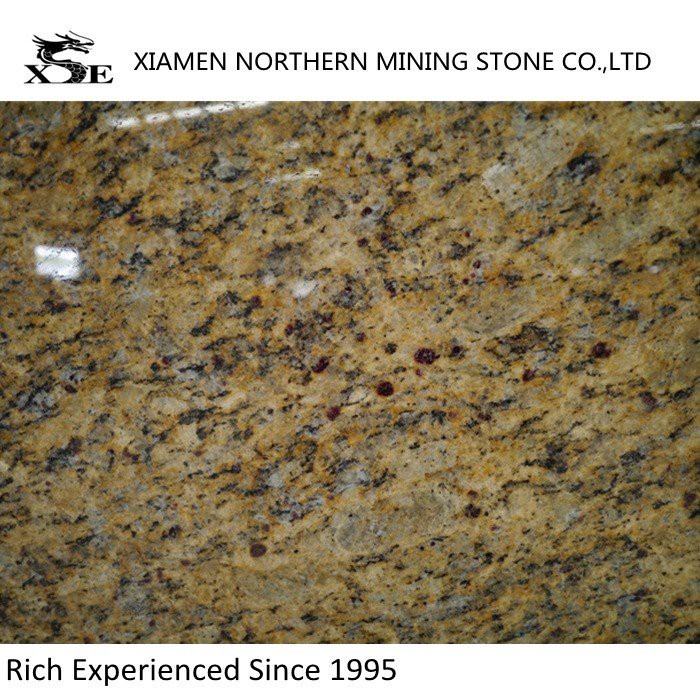
Brazil is renowned for its vast reserves of high - quality granite, and it is one of the leading suppliers of Level 2 granite. The granite quarried in Brazil often features rich and vibrant colors, along with intricate patterns. One of the most well - known Brazilian Level 2 granites is the Santa Cecilia Granite Slab. This granite has a warm, golden - brown base color with flecks of black, white, and gray, creating a visually appealing and dynamic surface. The Santa Cecilia granite is highly durable and resistant to scratches and stains, making it an ideal choice for kitchen countertops and other high - traffic areas.
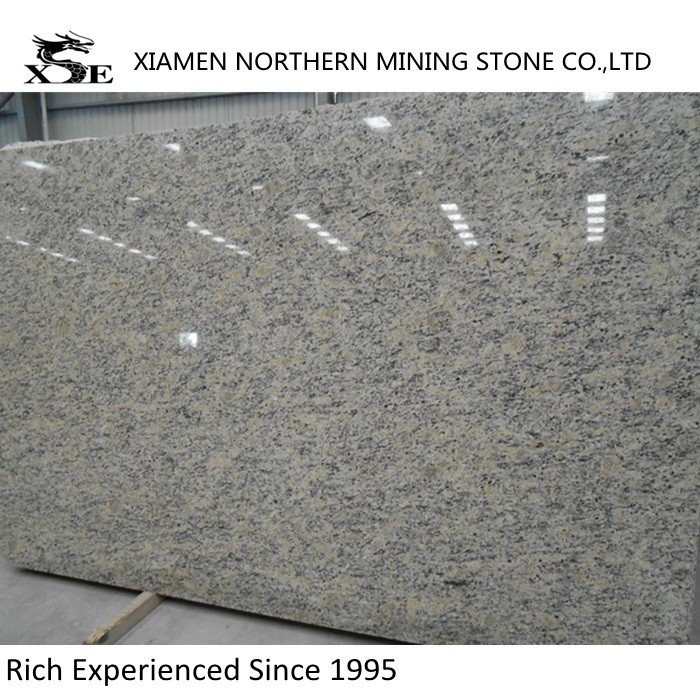
Another popular Brazilian Level 2 granite is the Santa Cecilia Light Granite. Santa Cecilia Light Granite has a lighter color palette compared to its darker counterpart, with a creamy white base and subtle veining. It offers a more contemporary and elegant look, suitable for modern interior designs.
The geological conditions in Brazil, such as the presence of specific minerals and the pressure and heat during the rock formation process, contribute to the unique properties of Brazilian Level 2 granite. The country's advanced quarrying and processing technologies also ensure that the granite is extracted and finished to a high standard.
India
India is also a significant source of Level 2 granite. Indian granite is known for its wide range of colors, from light pastels to deep, rich hues. The granite quarries in India are spread across different states, including Rajasthan, Karnataka, and Tamil Nadu.
One of the notable Indian Level 2 granites is the Dallas White Granite. Dallas White Granite Countertop has a white base with gray or black veining, giving it a classic and sophisticated appearance. It is a versatile granite that can be used in various applications, from kitchen countertops to bathroom vanities.
The granite in India is formed through a complex geological process over millions of years. The different mineral compositions in the rock layers result in the diverse colors and patterns seen in Indian Level 2 granite. Indian quarrying companies have also made significant investments in modern equipment and techniques, enabling them to produce high - quality granite products.
China
China has emerged as a major player in the global granite market, and it is a reliable source of Level 2 granite. Chinese granite is often characterized by its consistent quality and relatively lower cost. The granite quarries in China are located in regions such as Fujian and Shandong.
Chinese Level 2 granite comes in a variety of colors, including black, gray, and pink. The manufacturing and processing capabilities in China are highly developed, allowing for large - scale production of granite slabs and tiles. The granite is cut, polished, and finished with precision, ensuring that it meets international quality standards.
Factors Affecting the Quality of Level 2 Granite from Different Sources
The quality of Level 2 granite can vary depending on several factors related to its source.
Mineral Composition
The mineral composition of granite is a key determinant of its quality. Different sources have different proportions of minerals such as quartz, feldspar, and mica. For example, Brazilian granite often has a high quartz content, which contributes to its hardness and durability. Indian granite may have a different mineral combination, resulting in unique color variations and physical properties.
Quarrying Techniques
The methods used to extract granite from the quarries also impact its quality. Advanced quarrying techniques, such as diamond wire sawing, minimize the damage to the granite blocks during extraction. This ensures that the slabs cut from the blocks are of better quality, with fewer cracks and flaws. In countries like Brazil and India, where the granite industry is well - established, modern quarrying technologies are widely used.
Processing and Finishing
After quarrying, the granite undergoes processing and finishing operations. The quality of these processes can vary from one source to another. High - quality processing involves precise cutting, polishing, and edge finishing. Chinese granite, for instance, benefits from the country's large - scale and efficient processing facilities, which can produce granite products with a smooth and uniform finish.
Advantages of Sourcing Level 2 Granite from Different Regions
Sourcing Level 2 granite from different regions offers several advantages to consumers and contractors.
Aesthetic Variety
Each region produces granite with unique colors, patterns, and textures. By sourcing from multiple regions, customers have a wider range of options to choose from, allowing them to find the perfect granite to match their design preferences. Whether it's the warm tones of Brazilian granite, the classic look of Indian granite, or the diverse colors of Chinese granite, there is a Level 2 granite to suit every style.
Cost - Effectiveness
Different sources may offer different price points for Level 2 granite. Chinese granite, for example, is often more cost - effective due to its large - scale production and lower labor costs. This can be beneficial for projects with budget constraints. On the other hand, Brazilian and Indian granite, while generally more expensive, may offer higher - end aesthetics and quality, making them suitable for premium projects.
Supply Availability
Sourcing from multiple regions helps to ensure a stable supply of Level 2 granite. In case of any disruptions in one source, such as natural disasters or labor strikes, granite can still be obtained from other regions. This reduces the risk of project delays due to material shortages.
Conclusion
As a supplier of Level 2 granite, I understand the importance of knowing the sources of this valuable natural stone. The diverse geographical sources of Level 2 granite, including Brazil, India, and China, offer a wide range of options in terms of color, pattern, and quality. Each source has its own unique characteristics, influenced by geological factors, quarrying techniques, and processing methods.
Whether you are a homeowner looking to upgrade your kitchen countertops or a contractor working on a commercial project, there is a Level 2 granite that meets your needs. I invite you to explore our extensive range of Level 2 granite products sourced from these regions. If you are interested in purchasing Level 2 granite for your next project, please contact us to discuss your requirements and explore the possibilities. Our team of experts is ready to assist you in finding the perfect granite solution.
References
- "Granite: A Natural Stone Resource" by John Doe, published by Stone Industry Press
- "Geology and Quarrying of Granite" by Jane Smith, Journal of Geological Sciences
- Industry reports on the global granite market from various research firms