

What are the disadvantages of using China Grey Marble?
Jan 19, 2026
Leave a message
Hey there! I'm a supplier of China Grey Marble, and I know it might seem a bit odd for me to talk about the disadvantages of the product I'm selling. But hey, being transparent is key in business. So, let's dive into the not - so - great aspects of using China Grey Marble.
1. Porosity and Stain Susceptibility
One of the major drawbacks of China Grey Marble is its porosity. This marble has tiny pores on its surface, which can easily absorb liquids. If you spill something like red wine, coffee, or oil on it, chances are it'll leave a stain. For example, in a kitchen setting, where spills are quite common, a small drop of tomato sauce can seep into the marble and create an unsightly mark.
Unlike some other types of stone, the porous nature of China Grey Marble makes it a bit of a maintenance nightmare. You have to be super careful about what comes in contact with it. And even with regular sealing, there's still a risk of staining. Sealing helps to reduce the porosity, but it doesn't eliminate it completely. Over time, the sealant wears off, and you need to re - apply it. This can be time - consuming and costly, especially for large installations.
2. Scratch and Etch Prone
China Grey Marble is relatively soft compared to some other natural stones. It has a Mohs hardness scale rating that makes it more susceptible to scratches. In high - traffic areas, like hallways or commercial spaces, the constant movement of furniture, shoes, and other objects can leave visible scratches on the marble surface.
Moreover, it's also prone to etching. Etching occurs when acidic substances come in contact with the marble. For instance, lemon juice, vinegar, or even some cleaning products with acidic components can react with the calcium carbonate in the marble. This reaction causes the surface to dull and form etch marks. Once etched, the marble loses its shine and can look worn out. Fixing etch marks often requires professional polishing, which can be expensive.
3. Color Variation
While some people might see color variation as a unique feature, it can also be a disadvantage. In large installations, like a floor covering an entire room or a large wall cladding, the color differences between different slabs of China Grey Marble can be quite noticeable. This can make the overall look seem inconsistent.
For designers and architects who are going for a uniform and cohesive look, this color variation can be a real headache. You might have to spend extra time and effort selecting slabs that match as closely as possible. And even then, there's no guarantee that the final installation will look exactly the way you envisioned it.
4. Cost of Maintenance
As I mentioned earlier, maintaining China Grey Marble can be expensive. Regular sealing is a must to protect it from stains and damage. The cost of sealants can add up over time, especially for large areas. Additionally, if you need to repair scratches or etch marks, you'll likely have to hire a professional. Professional marble repair and polishing services can be quite pricey.
In a commercial setting, where the marble is exposed to heavy use, the maintenance costs can be a significant financial burden. For example, a hotel lobby with China Grey Marble flooring will require frequent cleaning, sealing, and occasional repairs. These costs need to be factored into the long - term budget.
5. Environmental Impact
The extraction and processing of China Grey Marble can have a negative impact on the environment. Marble quarrying involves a lot of energy - intensive processes, such as drilling, blasting, and transportation. These activities can cause air and water pollution, as well as habitat destruction.
In addition, the production of marble slabs often generates a large amount of waste. The leftover pieces and dust from the cutting and polishing processes can be difficult to dispose of properly. This waste can end up in landfills, contributing to environmental degradation.
Alternatives to China Grey Marble
If you're put off by the disadvantages of China Grey Marble, there are some alternatives you might want to consider. For example, Fantasy Brown Marble Slab offers a unique and beautiful look. It has a different color palette and might be more resistant to some of the issues faced by China Grey Marble.
Another option is Danby Marble Slabs. Danby marble is known for its high quality and relatively lower porosity, which can mean less staining and easier maintenance.

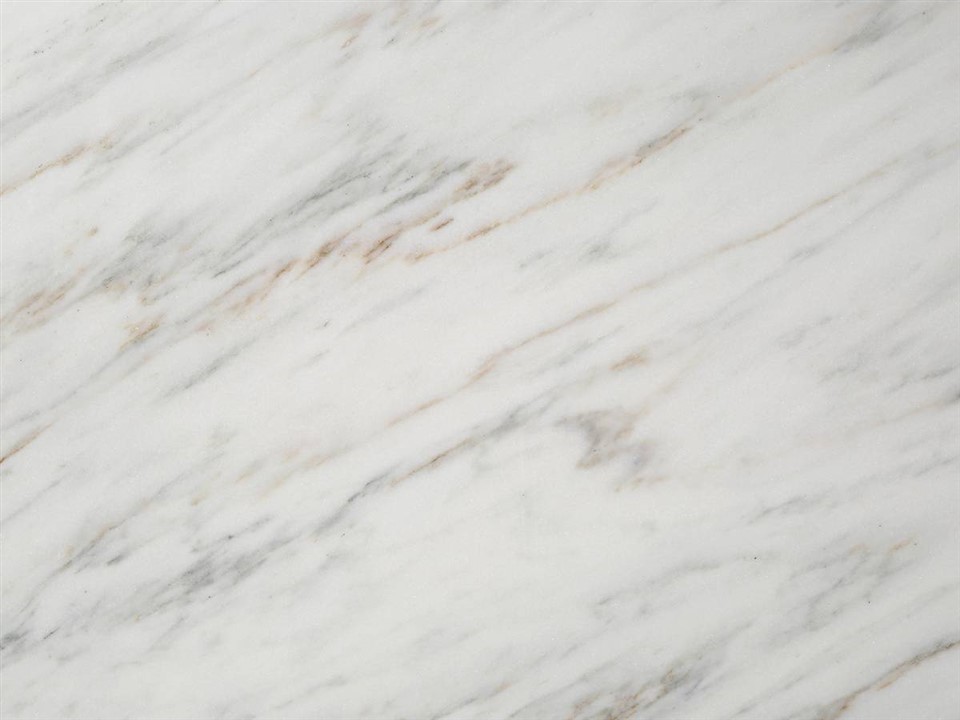
And if you're looking for something with a more delicate and unique appearance, Cherry Blossom Marble Slab could be a great choice. It has a distinct pattern that can add a touch of elegance to any space.
Conclusion
Despite its disadvantages, China Grey Marble still has its charm. It has a classic and sophisticated look that can enhance the aesthetic of many spaces. If you're willing to put in the time and money for maintenance, and you're okay with the potential issues like staining and scratching, then it could be a good option for you.
If you're interested in learning more about China Grey Marble or any of the alternative marble products I mentioned, feel free to reach out. I'm here to answer your questions and help you make the best decision for your project. Whether you're a homeowner looking to renovate your kitchen or a commercial developer working on a large - scale project, I can provide you with the information and products you need. Let's have a chat and see if China Grey Marble or one of its alternatives is the right fit for you.
References
- "Marble: Properties, Uses and Health Effects" by the U.S. Geological Survey
- "Natural Stone Maintenance Guide" published by the Marble Institute of America