

What are the disadvantages of quartz slabs?
Dec 03, 2025
Leave a message
As a supplier of quartz slabs, I've witnessed firsthand the numerous benefits these materials offer, from their aesthetic appeal to their durability. However, it's essential to provide a balanced perspective. In this blog, I'll delve into the disadvantages of quartz slabs to help you make an informed decision when considering them for your projects.
Limited Heat Resistance
One of the primary drawbacks of quartz slabs is their limited heat resistance. Unlike natural stone countertops like granite, which can withstand high temperatures without damage, quartz slabs are more sensitive to heat. The resin used in the manufacturing process of quartz slabs can start to warp or discolor when exposed to extreme heat. For instance, placing a hot pan directly from the stove onto a quartz countertop can cause permanent damage.
This limitation means that users need to be extra cautious when handling hot items in the kitchen. You'll have to use trivets or hot pads under pots, pans, and other hot cookware to protect the surface. This added step can be inconvenient, especially during busy cooking sessions. Moreover, in commercial settings such as restaurants, where large, hot dishes are frequently moved around, the risk of heat damage to quartz slabs is relatively high.
Susceptibility to Scratching
While quartz slabs are generally known for their hardness, they are not entirely scratch - resistant. Although they are more scratch - resistant than some other materials like laminate, they can still be scratched by sharp objects. For example, using a knife directly on a quartz countertop can leave visible scratches. In high - traffic areas or environments where there is a lot of movement of sharp or abrasive objects, the surface of the quartz slab may start to show signs of wear over time.
In a household with children or pets, the risk of scratching is even greater. Kids may use the countertop as a writing surface or play area, and pets' claws can also cause scratches. In commercial spaces like Quartz Slabs Hotel Lobbies, where there is constant foot traffic and the movement of luggage and other equipment, the quartz slabs may be more prone to scratching.
Difficult to Repair
Another significant disadvantage of quartz slabs is the difficulty of repair. Once a quartz slab is damaged, whether it's due to heat, scratching, or staining, it can be challenging to fix. Unlike natural stone, which can often be sanded and polished to remove minor scratches and blemishes, quartz slabs have a uniform color and pattern throughout the material. When a scratch or stain occurs, it can't be easily buffed out or repaired.
In most cases, if the damage is severe, the entire slab may need to be replaced. This can be a costly and time - consuming process, especially for large installations. For example, if a large section of a quartz slab backsplash in a kitchen gets stained or scratched beyond repair, the homeowner may have to remove and replace the entire backsplash, which involves additional labor and material costs.
Higher Cost
Quartz slabs are generally more expensive than many other countertop materials. The manufacturing process of quartz slabs is complex and involves a high - tech combination of natural quartz crystals and resin. This, along with the cost of quality control and finishing, drives up the price. Compared to materials like laminate or tile, which are much more budget - friendly, quartz slabs can be a significant investment.
For homeowners on a tight budget, the cost of quartz slabs may be prohibitive. Even in commercial projects, where budget constraints are often a concern, the high cost of quartz slabs can make them a less attractive option. For instance, if a developer is building a large number of affordable housing units, the cost difference between quartz slabs and other materials can add up significantly, making it difficult to justify the use of quartz slabs.
Limited Customization in Pattern
Although quartz slabs come in a wide range of colors and patterns, the level of customization is somewhat limited compared to natural stone. Natural stone, such as marble or granite, has unique veining and patterns that are formed over millions of years, making each slab one - of - a - kind. In contrast, quartz slabs are manufactured, and while they can mimic the look of natural stone, the patterns are replicated.
If you're looking for a truly unique and one - of - a - kind look for your project, quartz slabs may not be the best choice. For example, if you're designing a high - end luxury home and want a countertop with a truly unique pattern, the replicated patterns of quartz slabs may not meet your expectations. You may be better off choosing a natural stone option.
Environmental Concerns
The manufacturing process of quartz slabs has some environmental implications. The extraction of quartz crystals, which is the primary raw material for quartz slabs, can have a negative impact on the environment. It often involves mining activities that can lead to deforestation, soil erosion, and water pollution.
Additionally, the resin used in the manufacturing process is typically a petroleum - based product. The production and disposal of these resins can contribute to greenhouse gas emissions and other environmental problems. As more consumers become environmentally conscious, these concerns may make quartz slabs a less attractive option.
Staining Issues
Although quartz slabs are generally resistant to staining, they are not completely immune. Certain substances, such as acidic foods, wine, and some cleaning agents, can cause staining if left on the surface for an extended period. For example, if a red wine spill is not cleaned up immediately, it can seep into the pores of the quartz slab and leave a permanent stain.
In a kitchen environment, where spills are common, it's crucial to clean up messes promptly. However, in a busy household or commercial setting, it may not always be possible to clean up spills right away, increasing the risk of staining. In areas with high humidity, the risk of staining may also be higher as moisture can make the surface more susceptible to absorbing stains.
Despite these disadvantages, quartz slabs still have many advantages, such as their low maintenance, wide range of colors, and uniform appearance. If you're considering using quartz slabs for your project, it's important to weigh these pros and cons carefully.

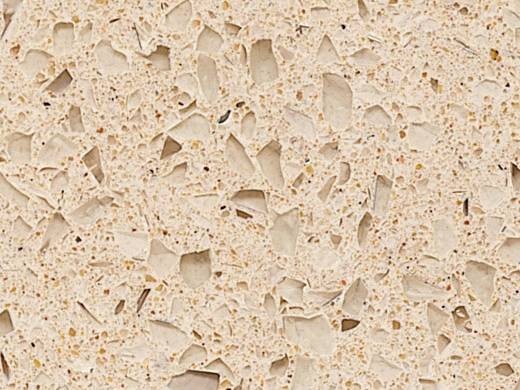
If you have any questions about our Beige Quartz Slab or other quartz slab products, or if you're interested in discussing a potential purchase, please feel free to contact us. We're here to provide you with more information and help you make the best decision for your project.
References
- "Countertop Materials: A Comprehensive Guide" by Home Improvement Journal
- "The Science of Quartz Slabs" by Building Materials Research Institute
- "Environmental Impact of Countertop Materials" by Green Building Magazine