

What are the differences between domestic and imported Level 2 Granite?
Jul 16, 2025
Leave a message
Level 2 granite is a popular choice for various construction and design projects due to its balance of quality and cost. As a Level 2 granite supplier, I've had extensive experience dealing with both domestic and imported varieties. In this blog, I'll explore the differences between domestic and imported Level 2 granite to help you make an informed decision for your next project.
Appearance
One of the most noticeable differences between domestic and imported Level 2 granite lies in their appearance. Domestic granite often has a more consistent color and pattern. This is because the geological conditions in a particular region can result in a more homogeneous composition of the granite. For example, some domestic granite quarries may produce stones with a uniform grain size and a limited range of color variations. This can be an advantage for projects where a specific, consistent look is desired, such as in large - scale commercial buildings or modern minimalist designs.
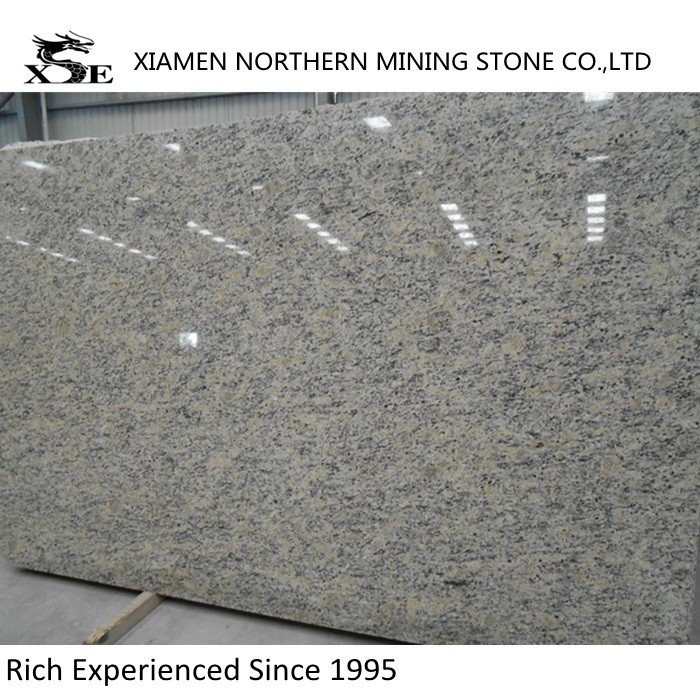
On the other hand, imported Level 2 granite typically offers a wider variety of colors and more intricate patterns. Different countries have unique geological formations, which lead to the creation of granite with distinct characteristics. For instance, Brazilian granite is well - known for its rich, warm colors and bold veining. The Santa Cecilia Light Granite Kitchen showcases the beauty of imported granite, with its golden hues and intricate speckles that can add a touch of luxury to any kitchen. The Santa Cecilia Light Granite and Santa Cecilia Granite Slab are also prime examples of imported granite's unique aesthetic appeal.
Quality and Durability
When it comes to quality and durability, both domestic and imported Level 2 granite can meet high standards. However, there are some nuances. Domestic granite is often subject to strict quality control measures within the country. This means that the granite is likely to be tested for strength, density, and resistance to wear and tear according to local industry standards. As a result, you can have a certain level of confidence in the quality of domestic granite, especially if it comes from well - established quarries.
Imported granite also undergoes quality control, but the standards may vary from country to country. Some countries have a long - standing reputation for producing high - quality granite. For example, Italian granite is renowned for its durability and strength. However, it's important to ensure that the imported granite you choose has been properly inspected and meets your specific requirements. In general, both domestic and imported Level 2 granite are suitable for high - traffic areas such as kitchen countertops and flooring, but you should always ask for quality certificates and test reports from your supplier.
Cost
Cost is a significant factor in any construction or design project. Domestic Level 2 granite usually has a cost advantage in terms of transportation. Since it doesn't need to be shipped across long distances, the transportation costs are lower, which can translate into a more affordable price for the end - user. Additionally, domestic granite may be subject to fewer import duties and taxes, further reducing the overall cost.
Imported granite, on the other hand, may be more expensive due to transportation costs and import - related fees. However, the price can also vary depending on the country of origin. Some imported granite may be priced competitively, especially if it is sourced from countries with a large granite production and efficient supply chains. It's important to compare prices from different suppliers and consider the overall value, including the appearance, quality, and durability of the granite.
Availability
Domestic granite generally has better availability, especially in regions where granite quarries are located. This means that you can usually get the granite you need more quickly, which is crucial for projects with tight deadlines. Local suppliers can also offer more flexibility in terms of quantity and customization. You may be able to order smaller quantities or have the granite cut and finished to your exact specifications.
Imported granite may have longer lead times due to the shipping process. It can take several weeks or even months for the granite to arrive from overseas. However, some suppliers may have a stock of popular imported granite varieties, which can reduce the waiting time. It's important to plan ahead and communicate your project timeline with your supplier to ensure that the granite will be available when you need it.
Environmental Impact
The environmental impact of granite sourcing is an important consideration in today's construction industry. Domestic granite has an advantage in terms of a smaller carbon footprint. Since it doesn't need to be transported long distances, the amount of fuel consumed during transportation is significantly reduced. Additionally, domestic quarries may be subject to more stringent environmental regulations, which can ensure that the extraction process is carried out in an environmentally friendly manner.
Imported granite, on the other hand, may have a higher carbon footprint due to long - distance shipping. However, some countries are taking steps to improve the sustainability of their granite industry. For example, some quarries are implementing water - recycling systems and reducing energy consumption during the extraction and processing of granite. When choosing imported granite, look for suppliers who can provide information about the environmental practices of the quarries they source from.
Cultural and Design Significance
Imported granite can bring a touch of cultural significance to a project. Different countries have a long - standing tradition of using granite in their architecture and design. For example, Egyptian granite has been used in ancient pyramids and temples, and incorporating Egyptian granite into a modern project can add a sense of history and grandeur. Brazilian granite, with its vibrant colors, is often associated with the country's lively culture and can bring a sense of tropical charm to a space.
Domestic granite, on the other hand, can be a great choice for projects that aim to showcase local materials and support the domestic industry. It can also blend in more seamlessly with the local architecture and environment, creating a more cohesive design.
Choosing the Right Granite for Your Project
When deciding between domestic and imported Level 2 granite, you need to consider your specific project requirements. If you're looking for a consistent appearance, quick availability, and a more affordable option, domestic granite may be the right choice for you. On the other hand, if you want a wider variety of colors and patterns, a touch of cultural significance, and are willing to pay a bit more and wait for the delivery, imported granite could be the better option.
As a Level 2 granite supplier, I'm here to help you make the best decision for your project. I can provide you with samples of both domestic and imported granite, as well as detailed information about their quality, cost, and availability. Whether you're a contractor working on a large - scale commercial project or a homeowner looking to renovate your kitchen, I can assist you in finding the perfect granite for your needs.
If you're interested in purchasing Level 2 granite for your project, I encourage you to get in touch with me. We can discuss your requirements in detail and start the process of selecting the ideal granite for your space. I'm committed to providing high - quality products and excellent customer service. Let's work together to bring your project to life with beautiful, durable granite.
References
- "Granite: A Natural Stone Resource" - National Stone Association
- "The Global Granite Market: Trends and Insights" - Market Research Report
- "Environmental Impact of Granite Sourcing" - Journal of Sustainable Construction