

Is Panda White Marble Slab affected by humidity?
Jun 10, 2025
Leave a message
As a supplier of Panda White Marble Slab, I've encountered numerous inquiries from customers regarding the impact of humidity on this exquisite natural stone. Panda White Marble is renowned for its stunning appearance, featuring a predominantly white background adorned with delicate grey veining, reminiscent of the markings on a panda. Its elegance and versatility make it a popular choice for a wide range of applications, from countertops and flooring to wall cladding and decorative accents. However, the question of how humidity affects this marble is a crucial one that deserves careful consideration.
Understanding Panda White Marble
Before delving into the effects of humidity, it's essential to understand the nature of Panda White Marble. Marble is a metamorphic rock formed from limestone under high pressure and temperature. It consists mainly of calcite, a mineral that is relatively soft and porous compared to other stones. This porosity allows marble to absorb liquids, including water, which can have implications for its durability and appearance when exposed to varying levels of humidity.
Panda White Marble is quarried primarily in China, where it undergoes a meticulous extraction and processing procedure to ensure high - quality slabs. Its unique aesthetic appeal makes it a sought - after material in both residential and commercial projects around the world.
How Humidity Affects Panda White Marble Slab
Surface Deterioration
High humidity levels can lead to surface deterioration of Panda White Marble. When the air is saturated with moisture, water can be absorbed into the pores of the marble. Over time, this can cause the surface to become dull and lose its polish. The absorbed water may also react with the calcite in the marble, leading to chemical changes that can result in etching and pitting. Etching appears as dull spots on the marble surface, usually caused by the reaction of acids (even weak acids in the air) with the calcite in the presence of moisture.
Staining
Humidity can also increase the risk of staining. Water that is absorbed by the marble can carry with it various contaminants, such as dirt, dust, and organic matter. These contaminants can become trapped in the pores of the marble, causing unsightly stains. For example, if there is a high level of iron in the water or the surrounding environment, it can react with the marble and create rust - colored stains.
Biological Growth
In areas with high humidity and poor ventilation, there is a risk of biological growth on the surface of the Panda White Marble Slab. Mold and mildew thrive in moist environments, and they can grow on the marble surface. Not only does this affect the appearance of the marble, but it can also pose a health risk, especially for individuals with respiratory problems.
Structural Integrity
Although the immediate impact of humidity on the structural integrity of Panda White Marble may not be obvious, long - term exposure to high humidity can potentially weaken the stone. The constant expansion and contraction of the marble due to changes in moisture content can lead to micro - cracks over time. These micro - cracks can compromise the strength of the slab and make it more susceptible to breakage.
Mitigating the Effects of Humidity
Sealing
One of the most effective ways to protect Panda White Marble Slab from the effects of humidity is to seal it. A high - quality marble sealer can create a protective barrier on the surface of the marble, reducing its porosity and preventing water and contaminants from being absorbed. It's important to choose a sealer that is specifically designed for marble and to re - apply the sealer periodically, as recommended by the manufacturer.
Proper Ventilation
Good ventilation is crucial in areas where Panda White Marble is installed. Installing exhaust fans in bathrooms and kitchens can help remove excess moisture from the air, reducing the risk of humidity - related problems. In large commercial spaces, proper HVAC (heating, ventilation, and air - conditioning) systems should be maintained to control the humidity levels.
Regular Cleaning and Maintenance
Regular cleaning of the Panda White Marble Slab can also help mitigate the effects of humidity. Use a pH - neutral cleaner specifically formulated for marble to avoid etching. Wipe up spills immediately to prevent water and contaminants from being absorbed into the marble.
Other Related Marble Products
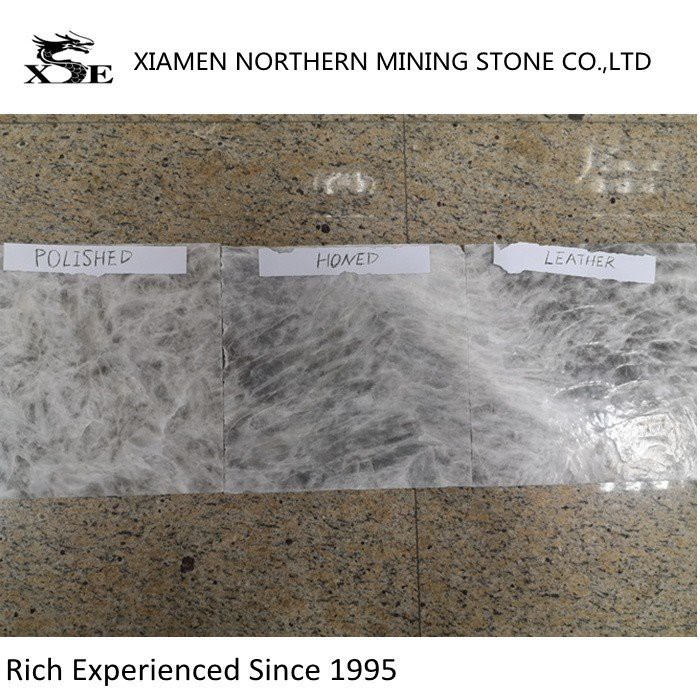
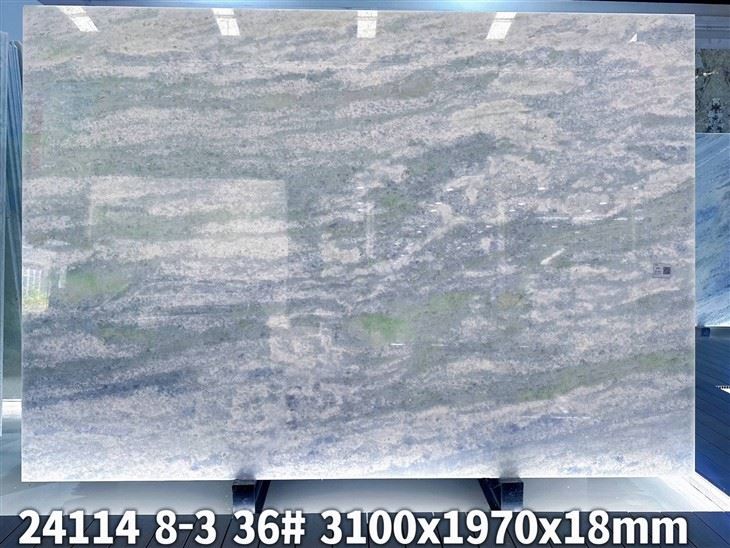
In addition to Panda White Marble Slab, we also offer a variety of other high - quality marble products. For instance, our Blue Crystal Polished Slab features a beautiful blue hue with a high - gloss finish, perfect for creating a modern and elegant look. The White Wood marble has a unique wood - like pattern on a white background, adding a touch of nature to any space. And our China Grey Marble is known for its timeless and sophisticated grey color, suitable for both traditional and contemporary designs.
Conclusion
In conclusion, humidity can have a significant impact on Panda White Marble Slab, affecting its appearance, durability, and even structural integrity. However, with proper care and maintenance, such as sealing, ventilation, and regular cleaning, these effects can be minimized. As a supplier, we are committed to providing our customers with high - quality Panda White Marble Slab and offering advice on how to protect and maintain it.
If you are interested in purchasing Panda White Marble Slab or any of our other marble products, we encourage you to reach out to us for a detailed discussion. We can provide you with samples, price quotes, and all the information you need to make an informed decision for your project.
References
- "Marble: A Comprehensive Guide to its Properties and Applications" by Stone Industry Press
- "The Effects of Environmental Factors on Natural Stone" by International Stone Research Institute