

Is marble a sustainable material?
Jan 14, 2026
Leave a message
Marble has long been a symbol of luxury, elegance, and timeless beauty in the world of architecture and interior design. As a marble supplier, I have witnessed firsthand the enduring appeal of this natural stone. However, in an era where sustainability is at the forefront of global concerns, a crucial question arises: Is marble a sustainable material? In this blog, I will delve into this topic, exploring the environmental, social, and economic aspects of marble production and consumption.
The Environmental Impact of Marble Extraction
The first step in understanding the sustainability of marble is to examine its extraction process. Marble is a metamorphic rock formed from limestone under high pressure and temperature. It is typically mined from quarries, which can have significant environmental impacts.
One of the primary environmental concerns associated with marble extraction is land degradation. Quarrying operations often require the removal of large areas of vegetation and topsoil, leading to soil erosion, loss of habitat for wildlife, and disruption of natural ecosystems. Additionally, the extraction process can generate a substantial amount of dust and noise pollution, which can have negative effects on air quality and the well - being of nearby communities.
However, modern quarrying techniques have made significant strides in reducing these environmental impacts. Many quarries now implement reclamation plans, which involve restoring the land after extraction is complete. This may include replanting vegetation, creating artificial lakes, and rehabilitating the landscape to its original or a more sustainable state. For example, some quarries are transformed into nature reserves or recreational areas once the mining operations have ceased.
Another environmental aspect to consider is the energy consumption during extraction and processing. Marble extraction requires heavy machinery, such as excavators, bulldozers, and crushers, which consume a significant amount of fossil fuels. The processing of marble, including cutting, polishing, and finishing, also requires energy - intensive equipment. To address this issue, some marble suppliers are investing in renewable energy sources, such as solar and wind power, to reduce their carbon footprint.
The Durability and Longevity of Marble
One of the key factors that contribute to the sustainability of marble is its durability and longevity. Marble is a very hard and dense material that can withstand heavy use and wear over time. When properly installed and maintained, marble floors, countertops, and other surfaces can last for generations, reducing the need for frequent replacements.
For instance, in historical buildings around the world, marble has been used for centuries and still retains its beauty and functionality. The use of marble in these structures not only adds to their cultural and architectural value but also demonstrates its long - term sustainability. By choosing marble for your projects, you are making an investment in a material that will last, which is an important consideration from an environmental perspective. This durability also means that less waste is generated over the life cycle of the product, as there is no need to constantly dispose of and replace worn - out materials.
The Social and Economic Impact of the Marble Industry
The marble industry also has significant social and economic implications. It provides employment opportunities for thousands of people around the world, from quarry workers to artisans and designers. In many developing countries, the marble industry is a major source of income and economic growth.
However, it is important to ensure that the social and economic benefits are distributed fairly. Some quarrying operations in the past have been associated with poor working conditions, low wages, and a lack of safety regulations. As a responsible marble supplier, I am committed to working with quarries that adhere to strict labor standards and provide a safe and healthy working environment for their employees.
Moreover, the marble industry can have a positive impact on local communities by supporting local businesses and infrastructure development. For example, quarries often purchase supplies and services from local vendors, which helps to stimulate the local economy. Additionally, the presence of a marble industry can attract tourism and investment to an area, further contributing to its economic development.
The Aesthetic and Functional Benefits of Marble
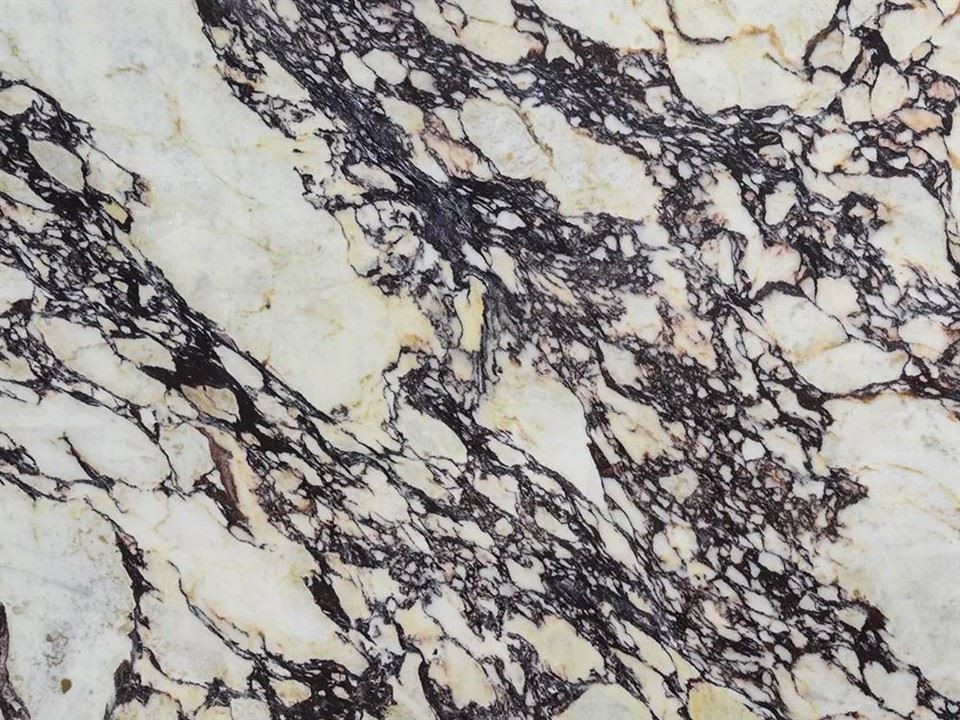
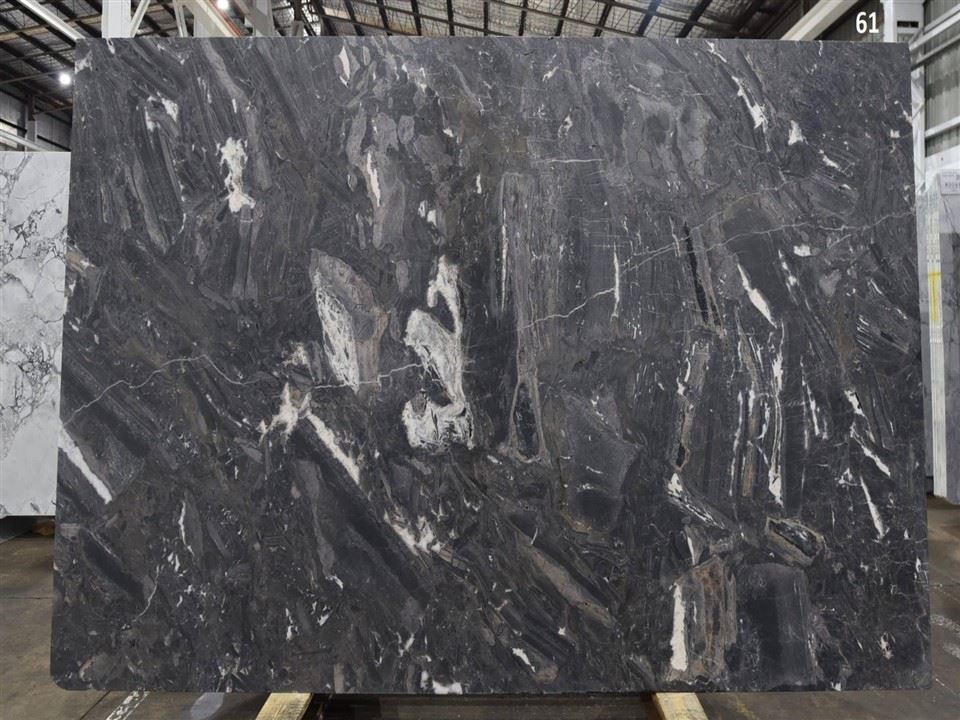
Beyond its environmental, social, and economic aspects, marble offers a range of aesthetic and functional benefits that make it a popular choice for designers and homeowners alike. Marble comes in a wide variety of colors, patterns, and textures, allowing for endless design possibilities. Whether you prefer the classic white Carrara marble or the bold and dramatic Black Gold Marble Slab, there is a marble option to suit every taste and style.
In addition to its beauty, marble also has practical applications. It is heat - resistant, making it an ideal choice for kitchen countertops and fireplace surrounds. It is also non - porous, which means it is resistant to stains and easy to clean. These functional properties make marble a durable and low - maintenance material for both residential and commercial applications.
The Recycling and Reuse of Marble
Another aspect of marble sustainability is its potential for recycling and reuse. When a marble structure is demolished or renovated, the marble can be salvaged and reused in new projects. This not only reduces waste but also conserves natural resources.
For example, old marble slabs can be cut into smaller pieces and used for mosaic work, or they can be crushed and used as aggregate in concrete. Some companies specialize in the recycling of marble, turning waste marble into new products such as tiles, pavers, and decorative items. By promoting the recycling and reuse of marble, we can further enhance its sustainability.
Our Product Range and Sustainability Commitment
As a marble supplier, I offer a wide range of high - quality marble products, including Black Gold Marble Slab, Viola Marble Slab, and Black Marble Slab Material. I am committed to sourcing marble from quarries that follow sustainable practices and adhere to strict environmental and social standards.
We work closely with our suppliers to ensure that our marble products are not only beautiful and of the highest quality but also sustainable. We believe that by choosing sustainable marble, you can make a positive impact on the environment while still enjoying the luxury and elegance that marble has to offer.
Conclusion and Call to Action
In conclusion, while marble extraction and production do have some environmental impacts, the overall sustainability of marble is a complex issue that depends on various factors. Its durability, longevity, potential for recycling, and the positive social and economic impacts of the industry all contribute to its sustainability.
As a marble supplier, I am dedicated to promoting the use of sustainable marble in the construction and design industry. If you are interested in learning more about our marble products or would like to discuss a project, I encourage you to reach out to me. Whether you are an architect, designer, or homeowner, I am here to help you find the perfect marble solution for your needs. Let's work together to create beautiful, sustainable spaces with marble.
References
- "Marble: A Natural Stone with a Sustainable Future." Stone World Magazine.
- "Sustainable Quarrying Practices in the Marble Industry." International Journal of Mining and Environmental Engineering.
- "The Durability and Sustainability of Marble in Architecture." Journal of Architectural Engineering.