

Is imported granite affected by humidity?
Jan 02, 2026
Leave a message
As a supplier of imported granite, I've encountered numerous inquiries from clients regarding the impact of humidity on this elegant natural stone. In this blog, I'll delve into the scientific aspects of how humidity affects imported granite, share insights based on my experience, and offer practical advice for maintaining its beauty and durability.
Understanding Imported Granite
Imported granite is a popular choice for various applications, including countertops, flooring, and wall cladding, due to its durability, aesthetic appeal, and resistance to heat and scratches. It is formed deep within the Earth's crust under high pressure and temperature, resulting in a dense and crystalline structure. This natural composition gives granite its strength and resilience, making it suitable for both indoor and outdoor use.
The Effects of Humidity on Imported Granite
Humidity refers to the amount of water vapor present in the air. While granite is generally resistant to moisture, prolonged exposure to high humidity levels can have several effects on its appearance and performance.
1. Staining
One of the primary concerns with high humidity is the potential for staining. When the air is humid, water vapor can condense on the surface of the granite, creating a moist environment that can trap dirt, dust, and other contaminants. Over time, these substances can penetrate the pores of the granite, causing unsightly stains. Additionally, if the granite is not properly sealed, liquids such as water, oil, and wine can seep into the stone, leaving permanent marks.
2. Efflorescence
Efflorescence is a common problem in areas with high humidity. It occurs when water-soluble salts within the granite are carried to the surface by moisture and then crystallize as the water evaporates. This results in a white, powdery residue on the surface of the granite, which can be difficult to remove. Efflorescence not only affects the appearance of the granite but can also weaken its structure over time.
3. Cracking and Spalling
In extreme cases, high humidity can cause the granite to crack or spall. When the moisture content in the granite fluctuates rapidly, it can create internal stress within the stone, leading to the formation of cracks. Additionally, if the granite is exposed to freeze-thaw cycles in a humid environment, the expansion and contraction of the water within the pores of the stone can cause it to spall or break apart.
Factors Affecting the Impact of Humidity
The extent to which humidity affects imported granite depends on several factors, including the type of granite, its porosity, the level of humidity, and the duration of exposure.
1. Type of Granite
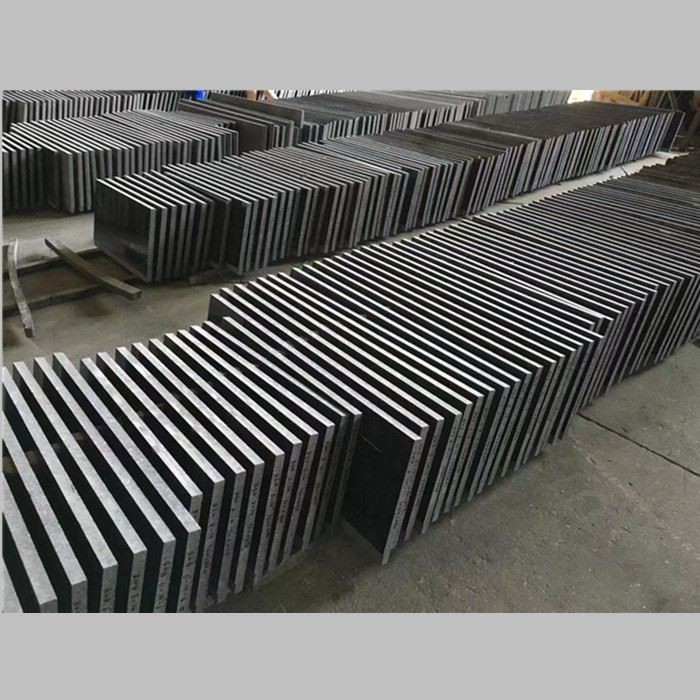
Different types of granite have different levels of porosity and resistance to moisture. For example, some granites, such as Black Granite Slabs for Sale [/granite/imported-granite/black-granite-slabs-for-sale.html], have a lower porosity and are more resistant to staining and moisture damage. On the other hand, granites with a higher porosity, such as New Jasmine Gold Brazil Granite Slabs [/granite/imported-granite/new-jasmine-gold-brazil-granite-slabs.html], may be more susceptible to the effects of humidity.
2. Porosity
The porosity of the granite refers to the amount of open space or pores within the stone. Granites with a higher porosity have more space for water to penetrate, making them more vulnerable to staining, efflorescence, and other moisture-related problems. To determine the porosity of a granite, a simple water absorption test can be conducted. A small sample of the granite is weighed, soaked in water for a specified period, and then weighed again. The difference in weight indicates the amount of water absorbed by the stone.
3. Humidity Level
The level of humidity in the environment plays a crucial role in determining the impact on imported granite. In general, humidity levels above 60% are considered high and can increase the risk of moisture damage. However, even moderate humidity levels can cause problems if the granite is not properly maintained.
4. Duration of Exposure
The longer the granite is exposed to high humidity, the greater the risk of damage. For example, if the granite is installed in a bathroom or basement where the humidity levels are consistently high, it is more likely to develop stains, efflorescence, or other moisture-related issues over time.
Preventing and Mitigating the Effects of Humidity
While humidity can pose a challenge to imported granite, there are several steps that can be taken to prevent and mitigate its effects.
1. Proper Sealing
Sealing the granite is one of the most effective ways to protect it from moisture damage. A high-quality granite sealer creates a protective barrier on the surface of the stone, preventing liquids and contaminants from penetrating the pores. It is recommended to seal the granite at least once a year, or more frequently in areas with high humidity or heavy use.
2. Regular Cleaning
Regular cleaning is essential for maintaining the appearance and durability of imported granite. Use a mild, pH-neutral cleaner and a soft cloth or sponge to wipe down the surface of the granite daily. Avoid using abrasive cleaners or scrubbers, as these can scratch the surface of the stone. Additionally, dry the granite thoroughly after cleaning to prevent water from pooling on the surface.
3. Controlling Humidity
Controlling the humidity levels in the environment can help reduce the risk of moisture damage to the granite. In areas with high humidity, such as bathrooms and basements, use a dehumidifier to remove excess moisture from the air. Ventilation is also important, so make sure to open windows and doors regularly to allow fresh air to circulate.
4. Avoiding Standing Water
Avoid allowing standing water to accumulate on the surface of the granite. Wipe up spills immediately and use coasters and placemats to protect the stone from liquids. If the granite is installed outdoors, make sure it is properly sloped to allow water to drain away.
5. Professional Maintenance
Periodically, it is recommended to have the granite professionally cleaned and sealed by a qualified stone care specialist. They have the expertise and equipment to deep clean the granite, remove any stains or efflorescence, and apply a fresh coat of sealer.

Conclusion
In conclusion, imported granite can be affected by humidity, but with proper care and maintenance, its beauty and durability can be preserved for many years. As a supplier of imported granite, I understand the importance of providing high-quality products and offering expert advice to my clients. Whether you're considering installing Black Granite Slabs for Sale [/granite/imported-granite/black-granite-slabs-for-sale.html], New Jasmine Gold Brazil Granite Slabs [/granite/imported-granite/new-jasmine-gold-brazil-granite-slabs.html], or Angola Black Granite for Wall [/granite/imported-granite/angola-black-granite-for-wall.html], I'm here to help you make the right choice and ensure that your granite installation is a success.
If you have any questions or would like to discuss your granite needs further, please don't hesitate to contact me. I look forward to working with you to create a beautiful and functional space with imported granite.
References
- "Granite: A Natural Stone Resource." National Stone, Sand & Gravel Association.
- "The Effects of Humidity on Natural Stone." Stone World Magazine.
- "Maintaining Granite Countertops." Family Handyman.