

Is granite suitable for coastal areas?
Jan 06, 2026
Leave a message
Is granite suitable for coastal areas? This is a question that many homeowners, architects, and designers often ponder when considering materials for coastal properties. As a granite supplier, I've had numerous discussions with clients about the viability of using granite in coastal settings. In this blog post, I'll explore the various aspects of granite's suitability for coastal areas, weighing its pros and cons to help you make an informed decision.
Understanding Granite
Granite is an igneous rock formed from the slow crystallization of magma beneath the Earth's surface. It is composed mainly of quartz, feldspar, and mica, which give it its characteristic hardness, durability, and aesthetic appeal. Granite is known for its resistance to scratches, heat, and wear, making it a popular choice for countertops, flooring, and exterior cladding in a wide range of applications.
Advantages of Using Granite in Coastal Areas
Durability
One of the primary advantages of granite is its exceptional durability. In coastal areas, where the environment can be harsh and unforgiving, durability is crucial. Granite can withstand the constant exposure to saltwater, strong winds, and extreme temperatures without significant damage. Its dense composition makes it resistant to erosion, chipping, and cracking, ensuring that it will maintain its structural integrity and appearance for many years.
Aesthetic Appeal
Granite comes in a wide variety of colors, patterns, and textures, allowing you to choose a style that complements the coastal aesthetic. Whether you prefer a classic, elegant look or a more contemporary, bold design, there is a granite option to suit your taste. The natural beauty of granite adds a touch of luxury and sophistication to any coastal property, enhancing its curb appeal and value.
Low Maintenance
Another benefit of using granite in coastal areas is its low maintenance requirements. Unlike some other materials, granite does not require frequent sealing or special treatments to maintain its appearance. Regular cleaning with mild soap and water is usually sufficient to keep granite surfaces looking clean and new. This makes granite a practical and cost-effective choice for busy homeowners and property managers.

Resistance to Stains and Bacteria
Granite is naturally resistant to stains and bacteria, making it a hygienic choice for coastal kitchens and bathrooms. Its non-porous surface prevents liquids and dirt from penetrating, reducing the risk of stains and mold growth. This is especially important in coastal areas, where humidity and moisture levels can be high, creating an ideal environment for bacteria and mold to thrive.
Disadvantages of Using Granite in Coastal Areas
Cost
One of the main drawbacks of using granite in coastal areas is its cost. Granite is generally more expensive than other materials, such as concrete or tile. The cost of granite can vary depending on the type, quality, and availability of the stone, as well as the size and complexity of the project. However, it's important to consider the long-term benefits of granite, such as its durability and low maintenance requirements, when evaluating its cost.
Installation Challenges
Installing granite in coastal areas can be more challenging than in other locations. The saltwater and high humidity levels can cause the granite to absorb moisture, which can lead to cracking and other damage if not properly addressed. Additionally, the weight of granite slabs can make them difficult to transport and install, requiring specialized equipment and expertise. It's important to hire a professional installer with experience working in coastal areas to ensure that the granite is installed correctly and safely.
Susceptibility to Salt Damage
While granite is generally resistant to saltwater, prolonged exposure to salt can cause damage over time. Salt can corrode the surface of the granite, causing it to become dull and discolored. It can also penetrate the pores of the stone, leading to cracking and spalling. To prevent salt damage, it's important to seal granite surfaces regularly and avoid using abrasive cleaners or tools that can scratch the surface.
Choosing the Right Granite for Coastal Areas
When choosing granite for coastal areas, it's important to select a type that is suitable for the specific conditions of the location. Some granites are more resistant to saltwater and extreme temperatures than others, so it's important to do your research and consult with a professional before making a decision. Here are some tips to help you choose the right granite for your coastal property:
Consider the Color and Pattern
The color and pattern of the granite can have a significant impact on the overall aesthetic of your coastal property. Light-colored granites, such as Giallo Ornamental Light Granite Slab, can create a bright, airy feel, while dark-colored granites, such as Antique Brown Granite Price, can add a sense of drama and sophistication. Choose a color and pattern that complements the style of your home and the surrounding environment.
Look for a Durable and Resistant Granite
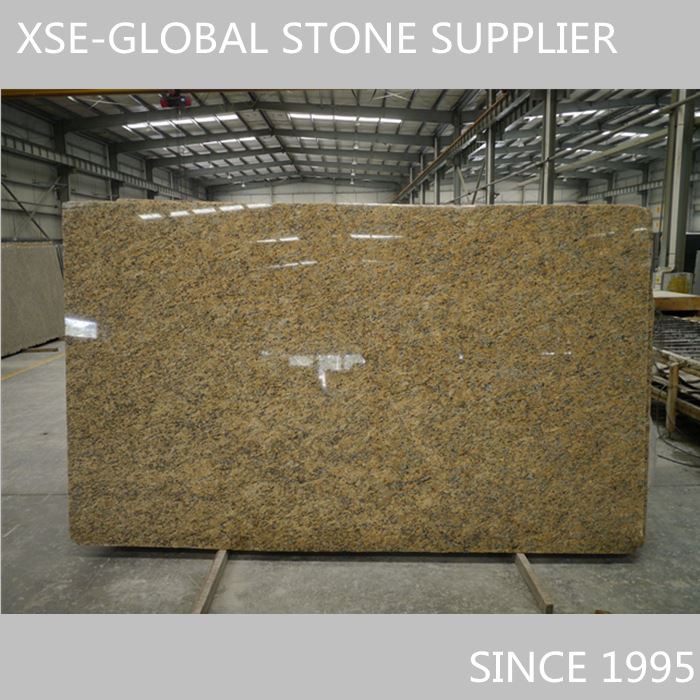
As mentioned earlier, durability and resistance to saltwater and extreme temperatures are crucial when choosing granite for coastal areas. Look for a granite that has a high density and a low porosity, as these characteristics will make it more resistant to erosion, chipping, and cracking. Some granites, such as Santa Cecilia Classic Granite Slabs, are known for their durability and resistance to salt damage, making them a popular choice for coastal properties.
Consider the Finish
The finish of the granite can also affect its appearance and performance in coastal areas. A polished finish can give granite a shiny, reflective surface, while a honed finish can create a more matte, natural look. A textured finish, such as a leathered or brushed finish, can provide additional grip and slip resistance, which is important in areas where there is a risk of water or moisture.
Conclusion
In conclusion, granite can be a suitable choice for coastal areas, provided that you choose the right type of granite and take the necessary precautions to protect it from salt damage. Its durability, aesthetic appeal, low maintenance requirements, and resistance to stains and bacteria make it a popular choice for coastal kitchens, bathrooms, and exterior cladding. However, it's important to consider the cost, installation challenges, and susceptibility to salt damage before making a decision. If you have any questions or need further information about using granite in coastal areas, please don't hesitate to contact us. We're here to help you choose the right granite for your coastal property and ensure that it looks beautiful and lasts for many years to come.
References
- "Granite: A Natural Stone for Coastal Areas." National Association of Home Builders.
- "Using Granite in Coastal Environments." Stone World Magazine.
- "Choosing the Right Granite for Your Coastal Home." Houzz.