

How to remove stains from Volakas White Marble?
Nov 27, 2025
Leave a message
As a trusted supplier of Volakas White Marble, I've encountered numerous customers facing the challenge of stain removal on this exquisite natural stone. Volakas White Marble is renowned for its timeless beauty, featuring a pristine white background adorned with delicate grey veining, making it a popular choice for various interior and exterior applications, from luxurious countertops to elegant flooring. However, like all natural stones, it is susceptible to staining if not properly maintained. In this blog, I'll share some effective methods to remove stains from Volakas White Marble, ensuring its long - lasting allure.
Understanding the Types of Stains
Before diving into the stain - removal process, it's crucial to identify the type of stain on your Volakas White Marble. Different stains require different treatment methods.
- Organic Stains: These are caused by substances such as coffee, tea, wine, fruit juices, and food. Organic stains often leave a discolored area on the marble surface. They can penetrate the porous structure of the marble over time, especially if not cleaned promptly.
- Oil - Based Stains: Grease, cooking oil, and cosmetic products fall into this category. Oil - based stains tend to darken the marble and can be particularly stubborn to remove due to their ability to seep deep into the stone's pores.
- Ink and Dye Stains: Ink from pens, markers, or fabric dyes can leave highly visible and difficult - to - remove marks on the marble. These stains are often concentrated and can spread if not treated immediately.
- Rust Stains: If metal objects come into contact with the marble and are exposed to moisture, rust stains may form. Rust stains are characterized by their reddish - brown color and can be challenging to eliminate.
General Precautions
Before attempting any stain - removal method, it's essential to take some general precautions:
- Test in an Inconspicuous Area: Always test the cleaning solution on a small, hidden area of the marble first. This helps to ensure that the solution does not cause any discoloration or damage to the stone.
- Use Soft Tools: Avoid using abrasive materials such as steel wool or harsh brushes, as they can scratch the marble surface. Instead, opt for soft microfiber cloths, sponges, or non - abrasive scrubbers.
- Follow Safety Guidelines: When using chemical cleaning agents, wear appropriate protective gear such as gloves and goggles. Work in a well - ventilated area to avoid inhaling fumes.
Stain - Removal Methods
Removing Organic Stains
- Baking Soda Paste: Create a paste by mixing baking soda with water. The ratio should be about 3 parts baking soda to 1 part water. Apply the paste to the stained area and cover it with plastic wrap. Let it sit for 24 hours. The baking soda will absorb the organic matter from the stain. After 24 hours, remove the plastic wrap and gently wipe away the paste with a damp cloth. Rinse the area thoroughly with clean water and dry it with a soft cloth.
- Hydrogen Peroxide: For more stubborn organic stains, you can use 3% hydrogen peroxide. Apply the hydrogen peroxide directly to the stain and cover it with a white cloth. Let it sit for a few hours, checking periodically to see if the stain is lifting. Once the stain has lightened, rinse the area with water and dry it. Note that hydrogen peroxide can bleach the marble if left on for too long, so it's important to monitor the process closely.
Removing Oil - Based Stains
- Poultice Method: A poultice is a mixture that helps draw out the oil from the marble. You can make a poultice using a combination of absorbent materials such as diatomaceous earth or talcum powder and a solvent like acetone or mineral spirits. Mix the powder with the solvent to form a thick paste. Apply the poultice to the stained area, making sure it is about 1/4 - inch thick. Cover the poultice with plastic wrap and let it dry completely, which may take 24 - 48 hours. Once dry, gently scrape off the poultice with a plastic scraper. Rinse the area with water and dry it.
- Dish Soap and Water: For mild oil stains, you can try a solution of warm water and a few drops of mild dish soap. Dip a soft sponge into the solution and gently scrub the stained area. Rinse the area thoroughly with clean water and dry it.
Removing Ink and Dye Stains
- Isopropyl Alcohol: Dampen a soft cloth with isopropyl alcohol and gently blot the ink or dye stain. Avoid rubbing, as this can spread the stain. Continue blotting until the stain begins to lift. Rinse the area with water and dry it.
- Commercial Ink Removers: There are commercial ink removers available in the market that are specifically formulated for use on natural stones. Follow the manufacturer's instructions carefully when using these products.
Removing Rust Stains
- Lemon Juice and Salt: Create a paste by mixing lemon juice and salt. Apply the paste to the rust stain and let it sit for a few hours. The acid in the lemon juice helps to dissolve the rust. After a few hours, gently scrub the area with a soft brush. Rinse the area with water and dry it.
- Rust Removers for Marble: There are also commercial rust removers designed for use on marble. These products are often more powerful than homemade solutions. Make sure to test the product in an inconspicuous area first and follow the instructions on the label.
Preventive Measures
To minimize the risk of staining your Volakas White Marble, here are some preventive measures you can take:
- Seal the Marble: Apply a high - quality marble sealer regularly. Sealing creates a protective barrier that helps prevent stains from penetrating the stone. The frequency of sealing depends on the usage and environment, but it is generally recommended to seal the marble every 1 - 2 years.
- Clean Spills Immediately: As soon as a spill occurs, wipe it up with a clean, dry cloth. The longer a spill sits on the marble, the more likely it is to stain.
- Use Coasters and Mats: Place coasters under glasses and mats in high - traffic areas to protect the marble from spills and scratches.
Other Marble Products We Offer
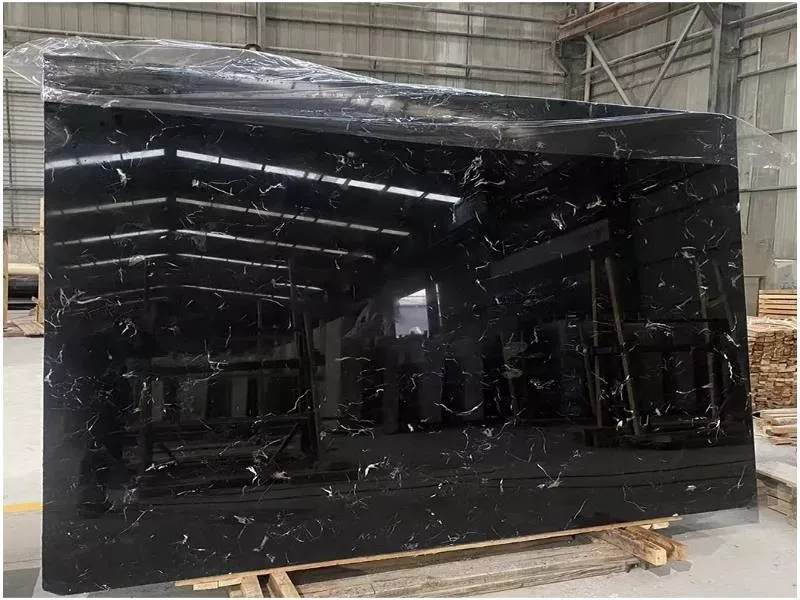
In addition to Volakas White Marble, we also supply a wide range of other high - quality marble products. You can explore our Dark Blue Marble Slab, which features a rich, deep blue color that adds a touch of elegance to any space. Our Excellent Black Ice Flower Marble Slabs are known for their unique black background with beautiful ice - like patterns. And if you're looking for a warm and earthy tone, our Dark Brown Marble Slab is an excellent choice.

Conclusion
Maintaining the beauty of your Volakas White Marble is essential to preserve its value and aesthetic appeal. By understanding the different types of stains and using the appropriate stain - removal methods, you can keep your marble looking pristine for years to come. If you have any questions about stain removal or are interested in purchasing Volakas White Marble or our other marble products, please don't hesitate to contact us for a procurement discussion.
References
- "Marble Care and Maintenance Guide" by The Marble Institute of America
- "Stain Removal Techniques for Natural Stone" by Stone World Magazine